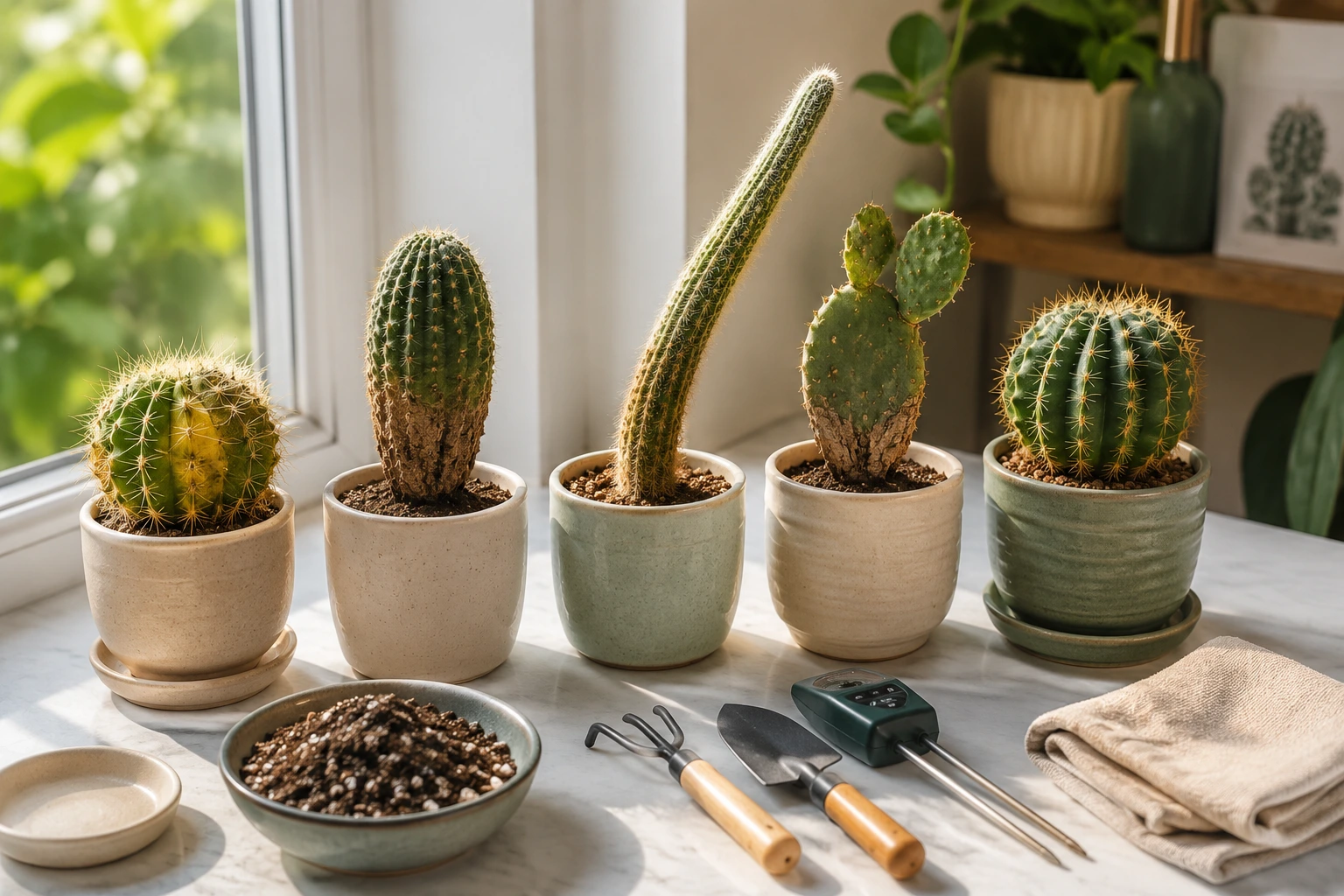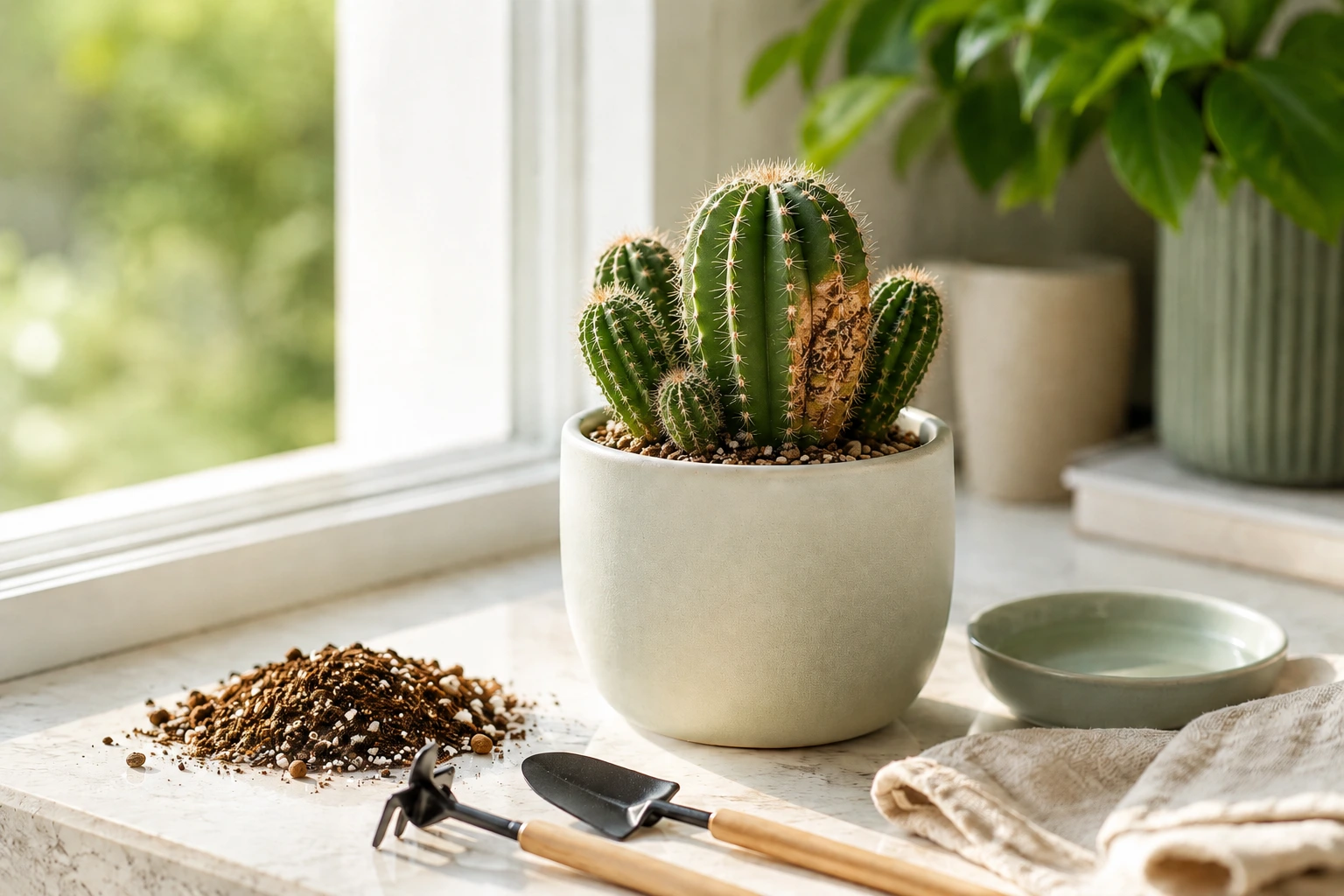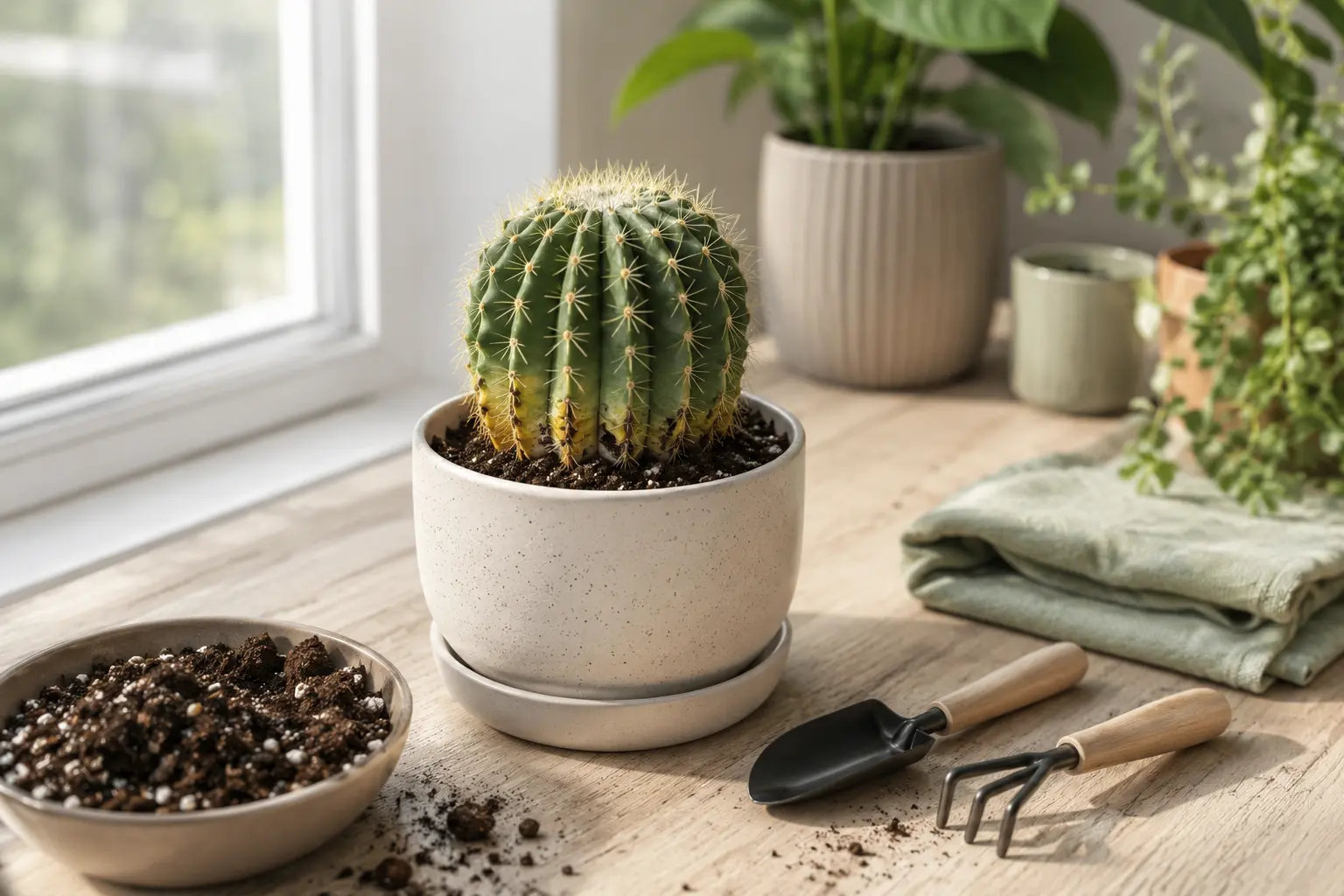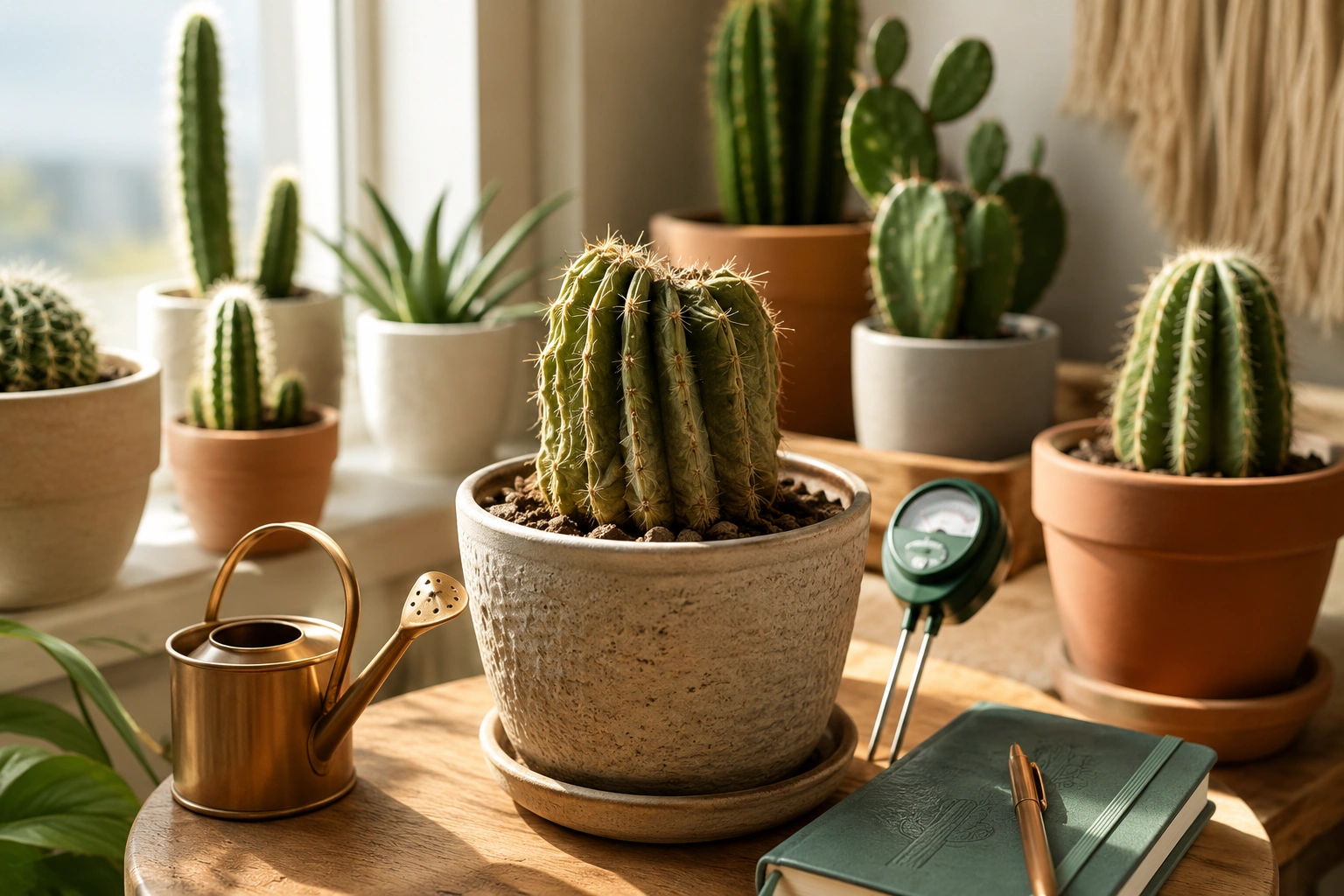
A wrinkled cactus is usually a sign of watering stress, root problems, or environmental changes. Learn the most common causes and how to help your cactus recover safely.
Why Is My Cactus Wrinkled? Causes and How to Fix It
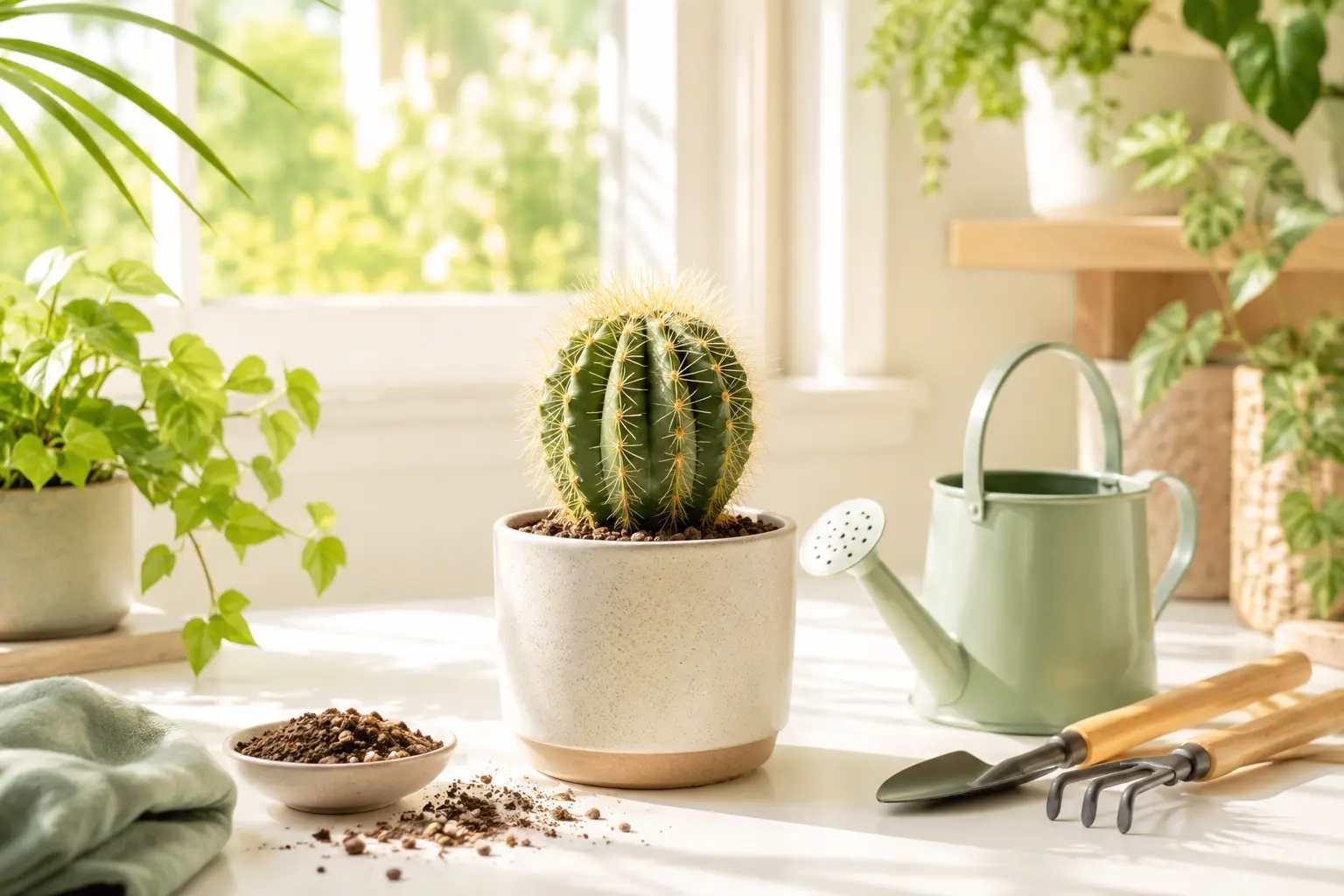
A wrinkled cactus can look worrying, especially if it was once firm, smooth, and healthy. The good news is that wrinkling is often a warning sign your cactus is trying to communicate something simple: it may need water, it may have received too much water, or its roots may not be working properly.
Quick answer: A cactus usually becomes wrinkled because it is dehydrated, but root rot, poor soil, extreme heat, cold stress, or recent repotting can also cause the same shriveled look.
1. Your Cactus Is Underwatered
The most common reason for a wrinkled cactus is underwatering. Cactus plants store water inside their stems. When the plant uses more water than it receives, the stored moisture decreases, and the cactus may start to look thin, soft, wrinkled, or slightly deflated.
This often happens when the soil has been dry for too long, the cactus is placed in very bright sunlight, or the room is warm and dry. Indoor cactus plants can still need watering, especially during active growth seasons like spring and summer.
Signs your cactus needs water:
- The cactus looks wrinkled or slightly shrunken.
- The soil is completely dry from top to bottom.
- The cactus feels softer than usual but not mushy.
- The plant looks thinner or less plump.
To fix an underwatered cactus, water it deeply until water drains from the bottom of the pot. Then let the soil dry completely before watering again. Avoid giving only a few drops of water, because shallow watering does not reach the roots properly.
2. Your Cactus May Have Root Rot
A wrinkled cactus does not always mean it needs more water. Sometimes a cactus looks dehydrated because its roots are damaged and cannot absorb water. This usually happens after overwatering or when the cactus is planted in heavy soil that stays wet for too long.
When roots rot, the plant may wrinkle even if the soil is moist. This is because the roots are no longer healthy enough to send water into the cactus stem.
Signs of root rot:
- The soil is wet but the cactus is still wrinkled.
- The cactus feels mushy near the base.
- The plant has a bad smell or dark soft spots.
- The cactus leans, collapses, or becomes unstable.
If you suspect root rot, remove the cactus carefully from the pot and inspect the roots. Healthy roots are usually firm and light-colored. Rotten roots are dark, soft, and may smell unpleasant. Trim away damaged roots with clean tools, let the plant dry for a few days, then repot it in fresh cactus soil.
3. The Soil Is Holding Too Much Moisture
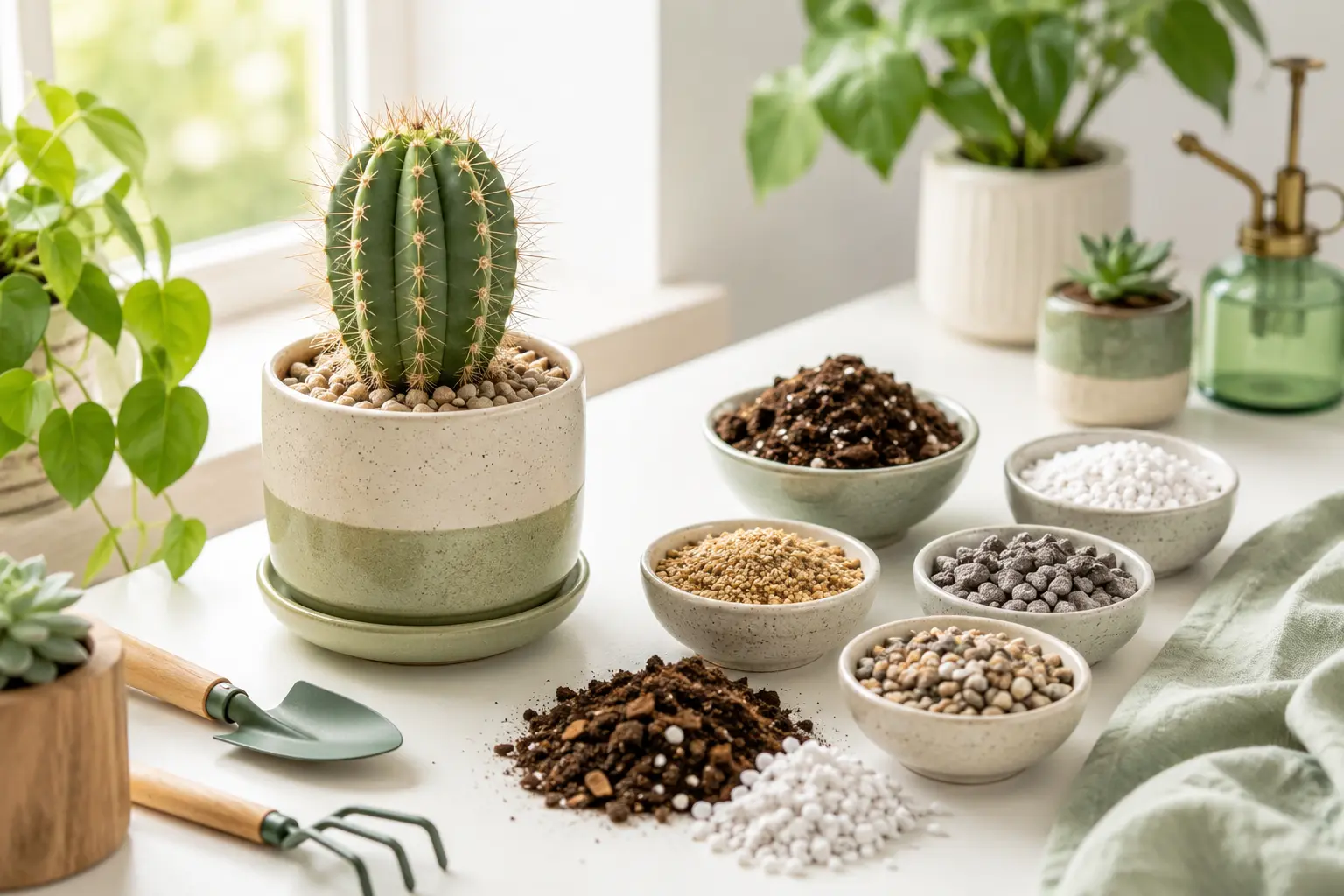
Cactus plants need fast-draining soil. If your cactus is planted in regular houseplant soil, the roots may stay wet for too long. Over time, this can weaken the roots and cause the cactus to wrinkle, soften, or stop growing.
A good cactus soil mix should drain quickly and contain materials like pumice, perlite, coarse sand, or small gravel. The goal is to let water pass through the pot instead of sitting around the roots.
Care tip: Always use a pot with drainage holes. A beautiful pot without drainage can easily cause cactus root problems.
4. Your Cactus Is Getting Too Much Heat or Direct Sun
Cactus plants love bright light, but sudden intense sun or extreme heat can make them lose water faster. If your cactus is near a very hot window, it may become wrinkled because it is drying out too quickly.
This is especially common when a cactus is moved suddenly from a low-light area to strong direct sunlight. The plant needs time to adjust. Move it gradually into brighter light over several days or weeks.
5. Recent Repotting Can Cause Wrinkles
If you recently repotted your cactus, a little wrinkling can happen because the roots need time to settle. During repotting, small roots may break, and the cactus may temporarily absorb less water.
After repotting, wait a few days before watering. This gives any damaged roots time to dry and reduces the risk of rot. Once the cactus is stable, water lightly and return to a normal cactus care routine.
How to Tell If a Wrinkled Cactus Needs Water or Has Too Much Water
| Condition | Likely Problem | What to Do |
|---|---|---|
| Dry soil and wrinkled cactus | Underwatering | Water deeply, then let soil dry fully. |
| Wet soil and wrinkled cactus | Possible root rot | Check roots and repot if needed. |
| Wrinkled and mushy base | Overwatering damage | Stop watering and inspect the plant. |
| Wrinkled after moving to sun | Heat or sun stress | Move gradually into brighter light. |
How to Fix a Wrinkled Cactus Step by Step
- Check the soil. If it is fully dry, your cactus may need water.
- Feel the cactus gently. Firm but wrinkled usually means dehydration. Mushy usually means rot.
- Water only if the soil is dry. Water deeply until it drains from the bottom.
- Do not water again immediately. Wait until the soil dries completely.
- Inspect roots if the soil is wet. Wet soil with wrinkles can mean root damage.
- Improve the soil and pot. Use cactus mix and a pot with drainage holes.
Will a Wrinkled Cactus Recover?
Yes, a wrinkled cactus can recover if the main problem is fixed early. If the cactus is only thirsty, it may start to look fuller within a few days after proper watering. If the roots are damaged, recovery may take longer because the plant needs time to grow healthy new roots.
The most important thing is to avoid panic watering. Many cactus owners see wrinkles and immediately add too much water. This can make the problem worse if root rot is already present.
Final Thoughts
A wrinkled cactus is usually a sign that something is wrong with water balance. In many cases, the cactus is simply underwatered. However, if the soil is wet or the base feels soft, the real problem may be overwatering and root rot.
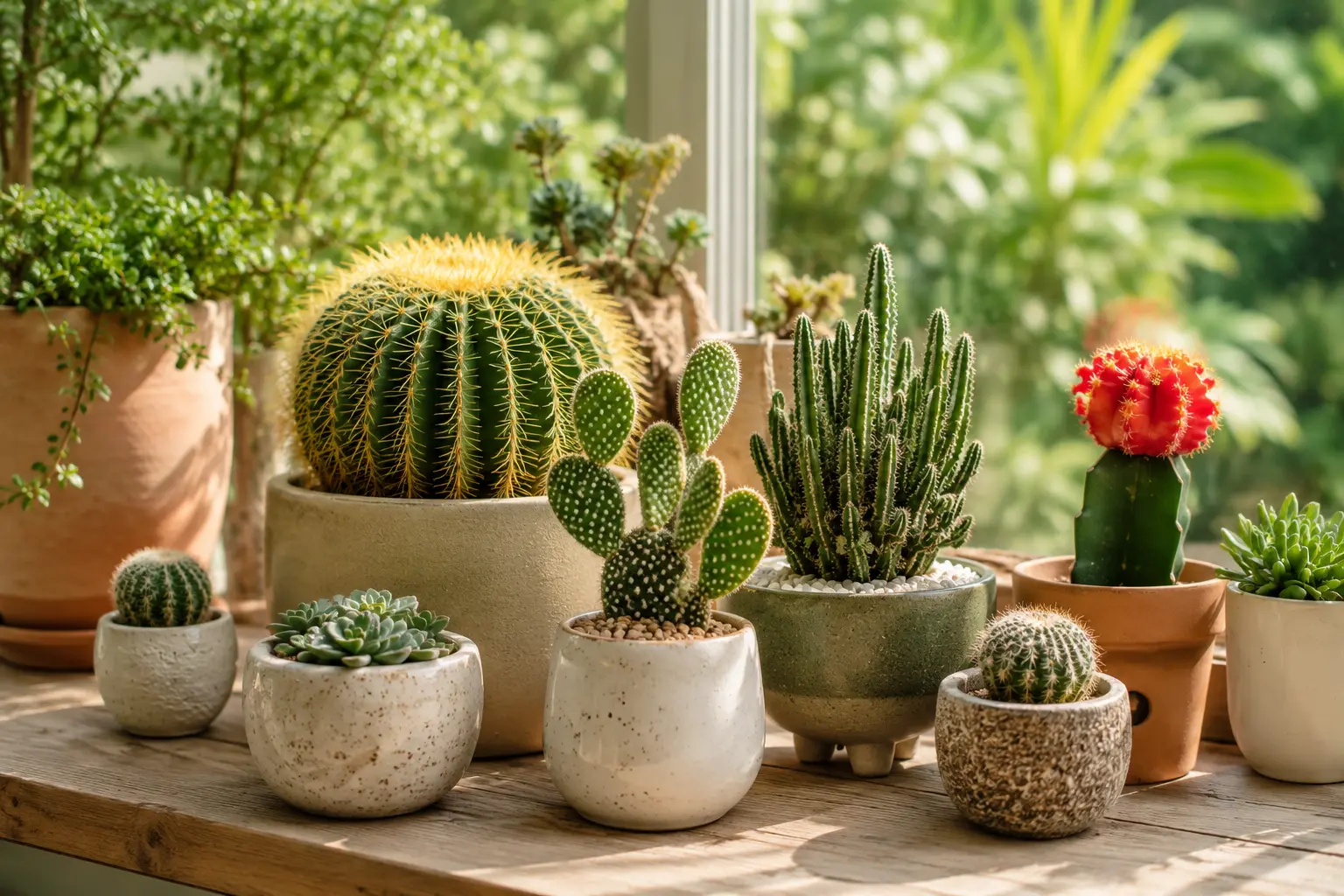
Check the soil, inspect the plant carefully, and adjust your watering routine. With the right care, many wrinkled cactus plants can become healthy, firm, and beautiful again.