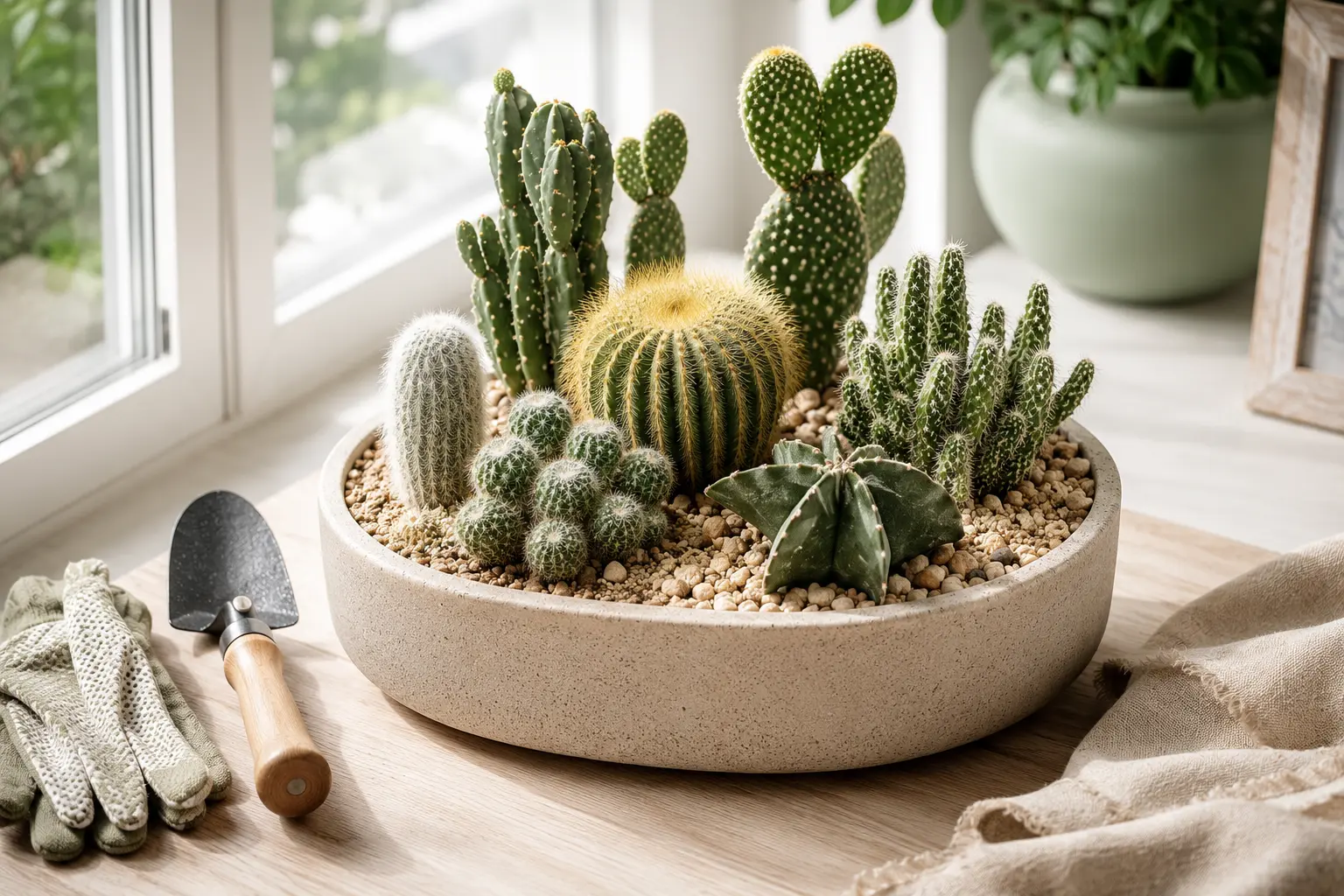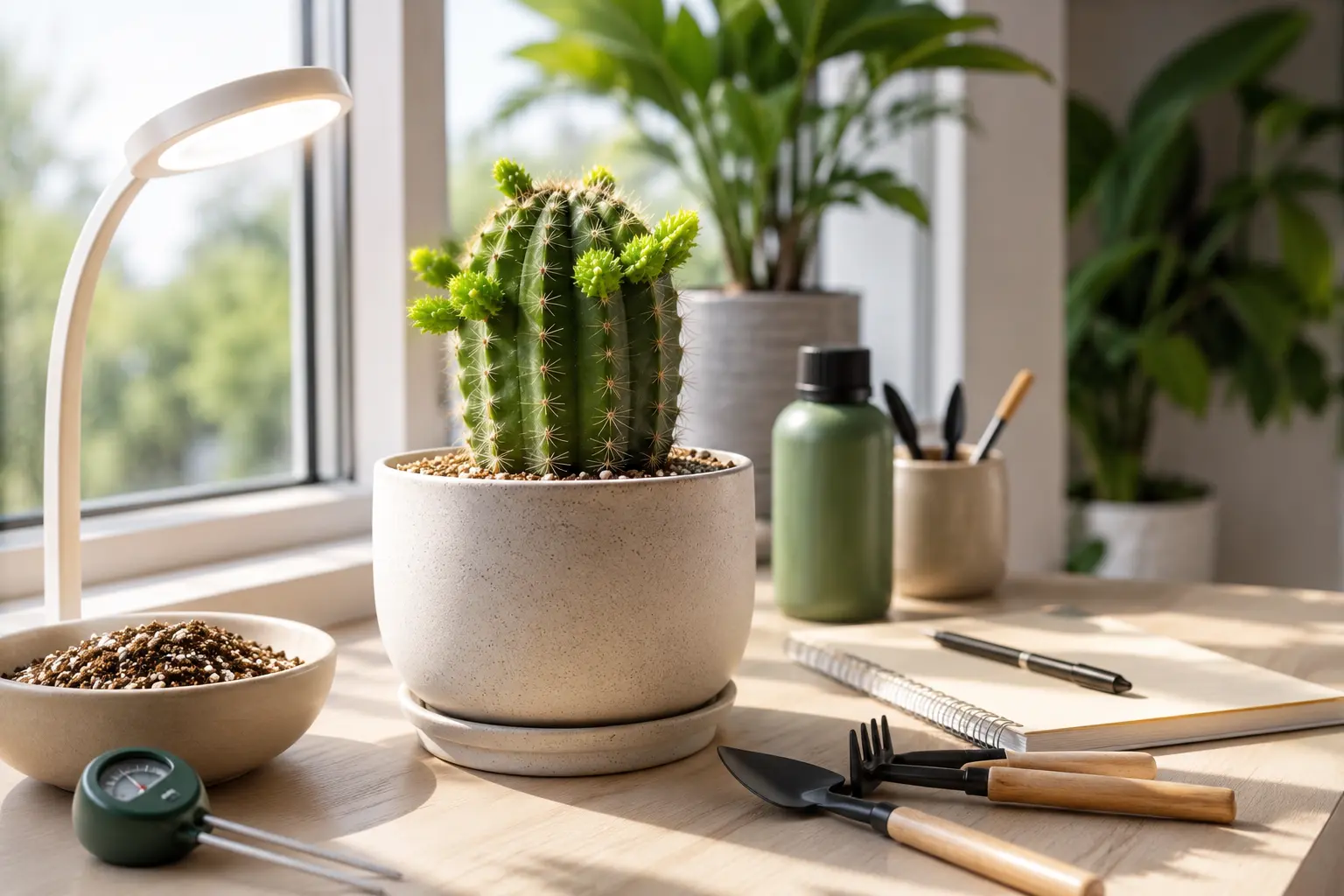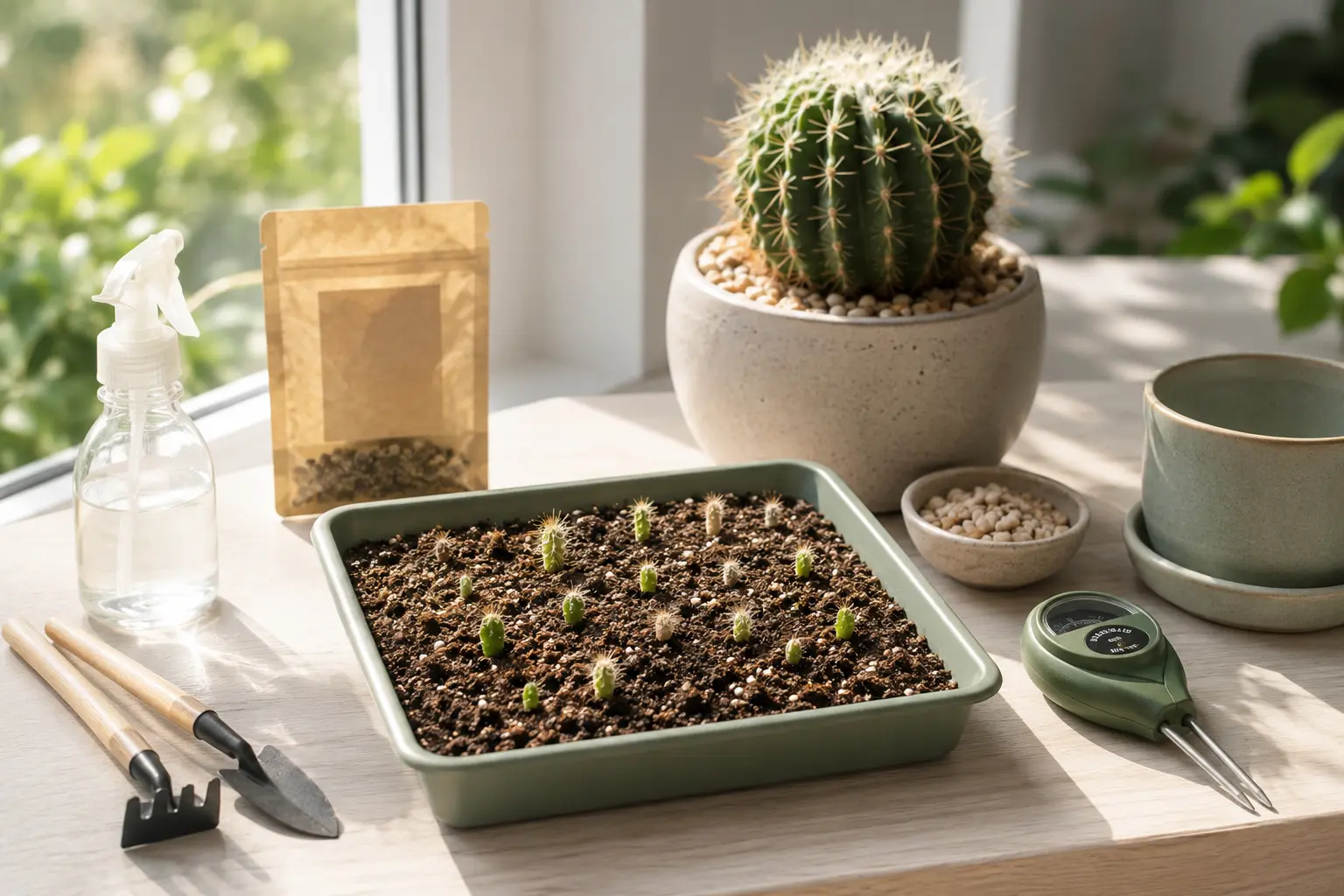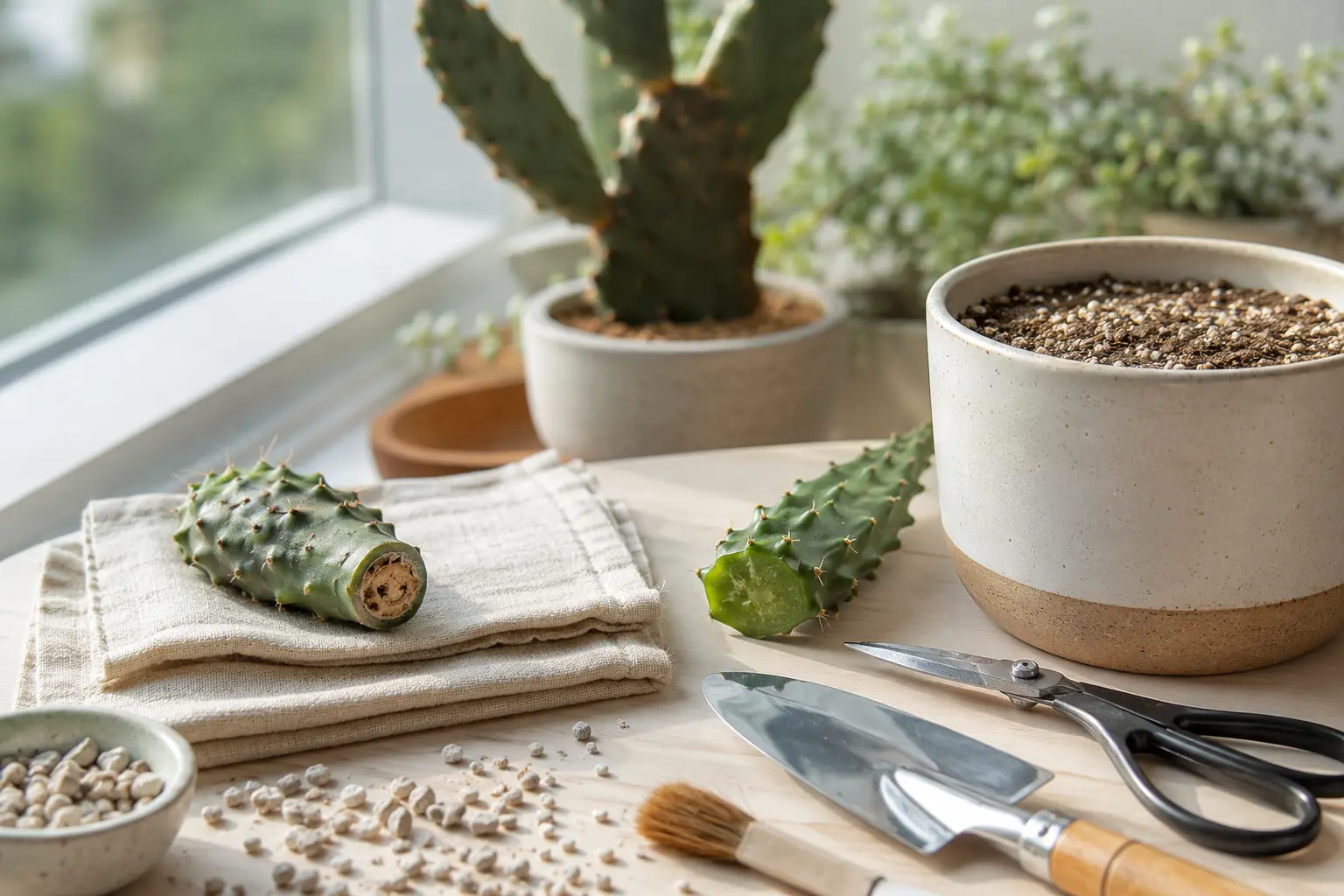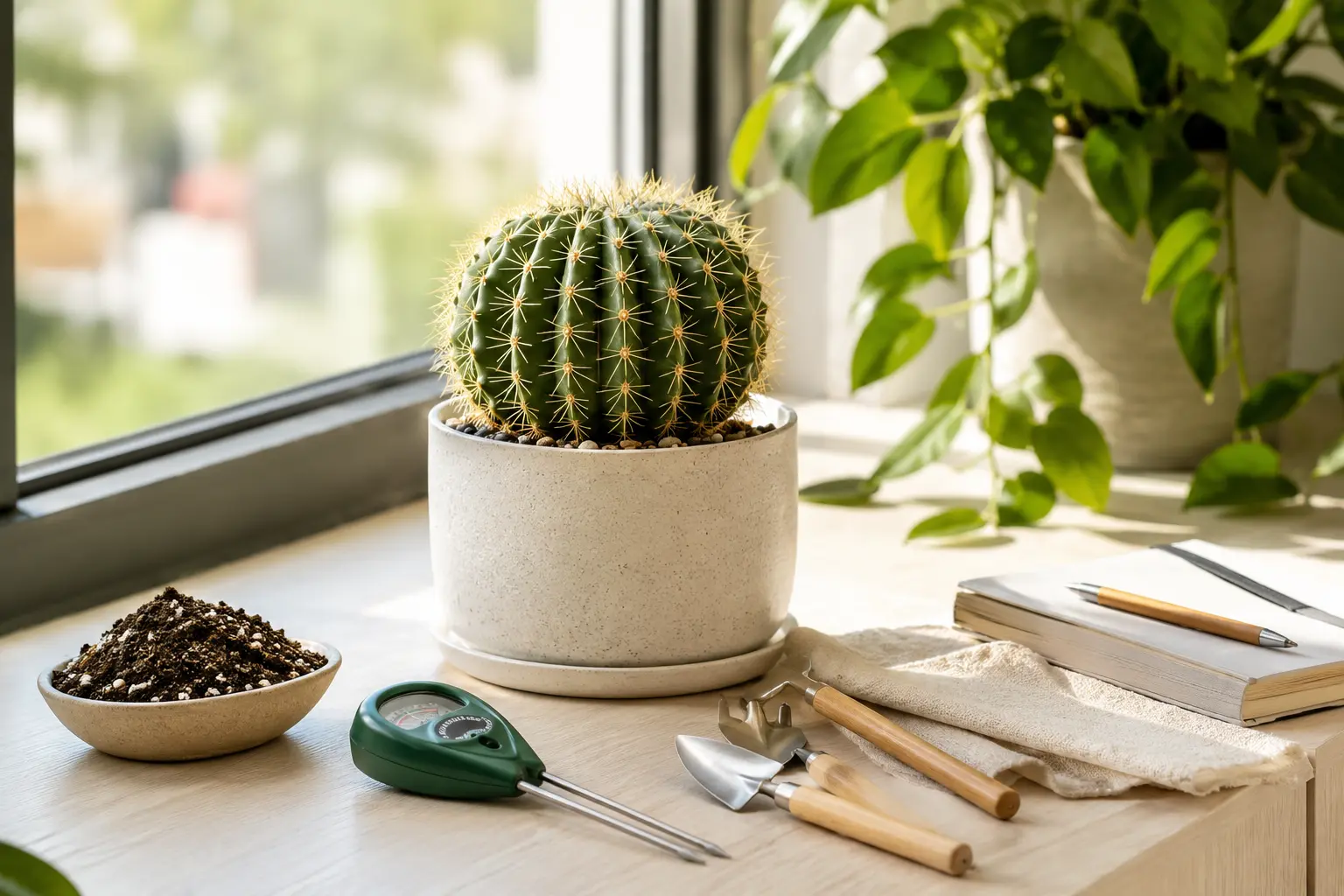
Learn how to know if your cactus is healthy by checking its color, firmness, growth, roots, soil, spines, and common warning signs.
How to Know If Your Cactus Is Healthy
Cactus plants are known for being strong and easy to care for, but many beginners still wonder if their cactus is truly healthy. A healthy cactus usually has a firm body, natural color, stable growth, dry soil between waterings, and strong roots.
Learning how to check your cactus helps you notice problems early before they become serious. In this guide, you will learn the main signs of a healthy cactus and the warning signs that may mean your cactus needs better care.
Quick answer: A healthy cactus should feel firm, have a natural green color, stand stable in its pot, grow slowly but normally, and show no soft, mushy, black, or spreading spots.
1. The Cactus Feels Firm
One of the easiest ways to check cactus health is by gently touching the plant. A healthy cactus should feel firm and strong. It should not feel soft, watery, mushy, or hollow.
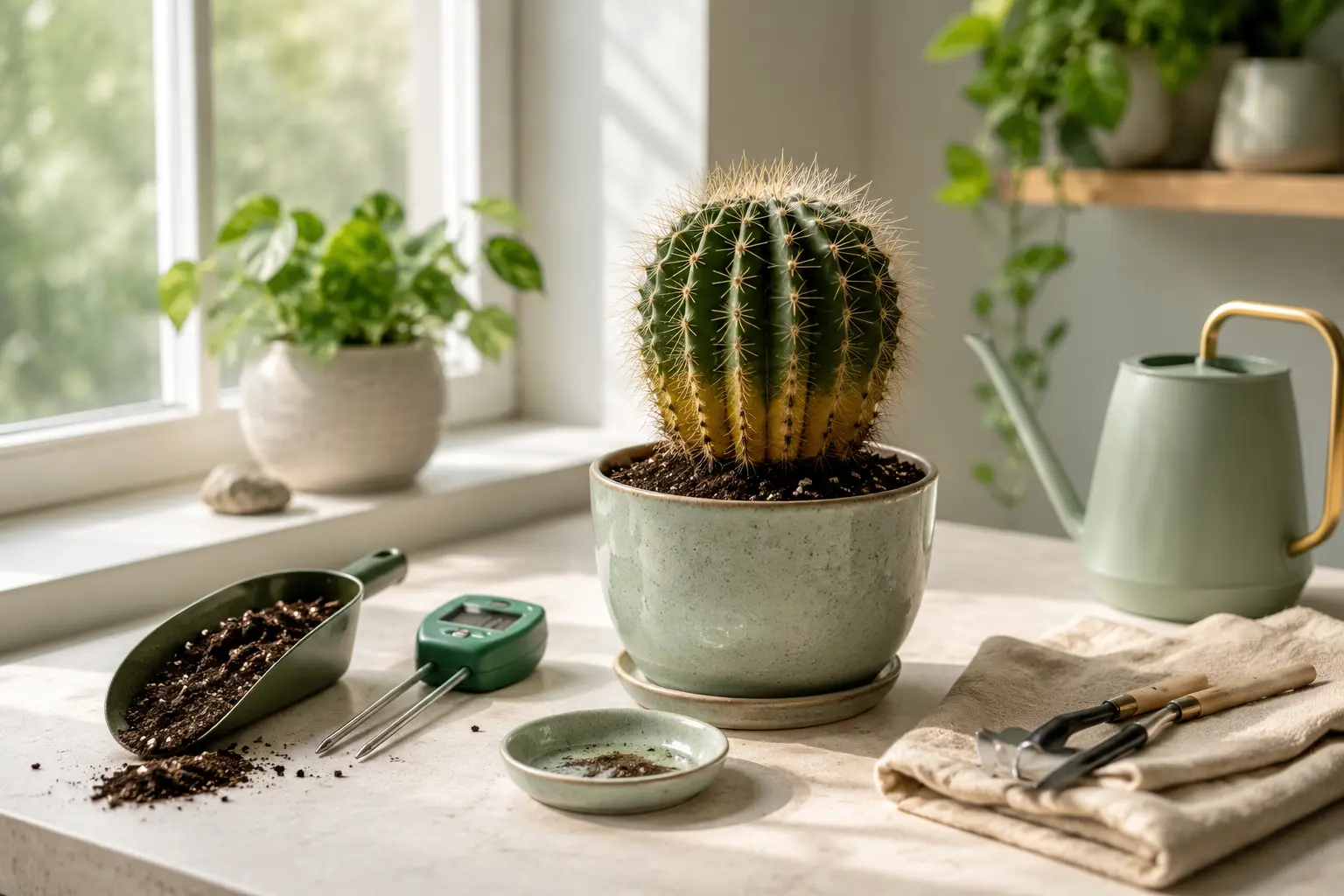
If your cactus feels slightly firm but not rock hard, that is usually normal. However, if the cactus feels very soft near the base, it may be a sign of overwatering or root rot.
2. The Color Looks Natural
A healthy cactus usually has a natural green color, but the exact shade depends on the cactus variety. Some cactus plants are dark green, some are blue-green, and others may have lighter green tones.
You should worry if your cactus suddenly turns yellow, brown, black, pale, or gray. These color changes can be signs of overwatering, sunburn, pests, cold damage, or poor light conditions.
3. The Cactus Stands Upright and Stable
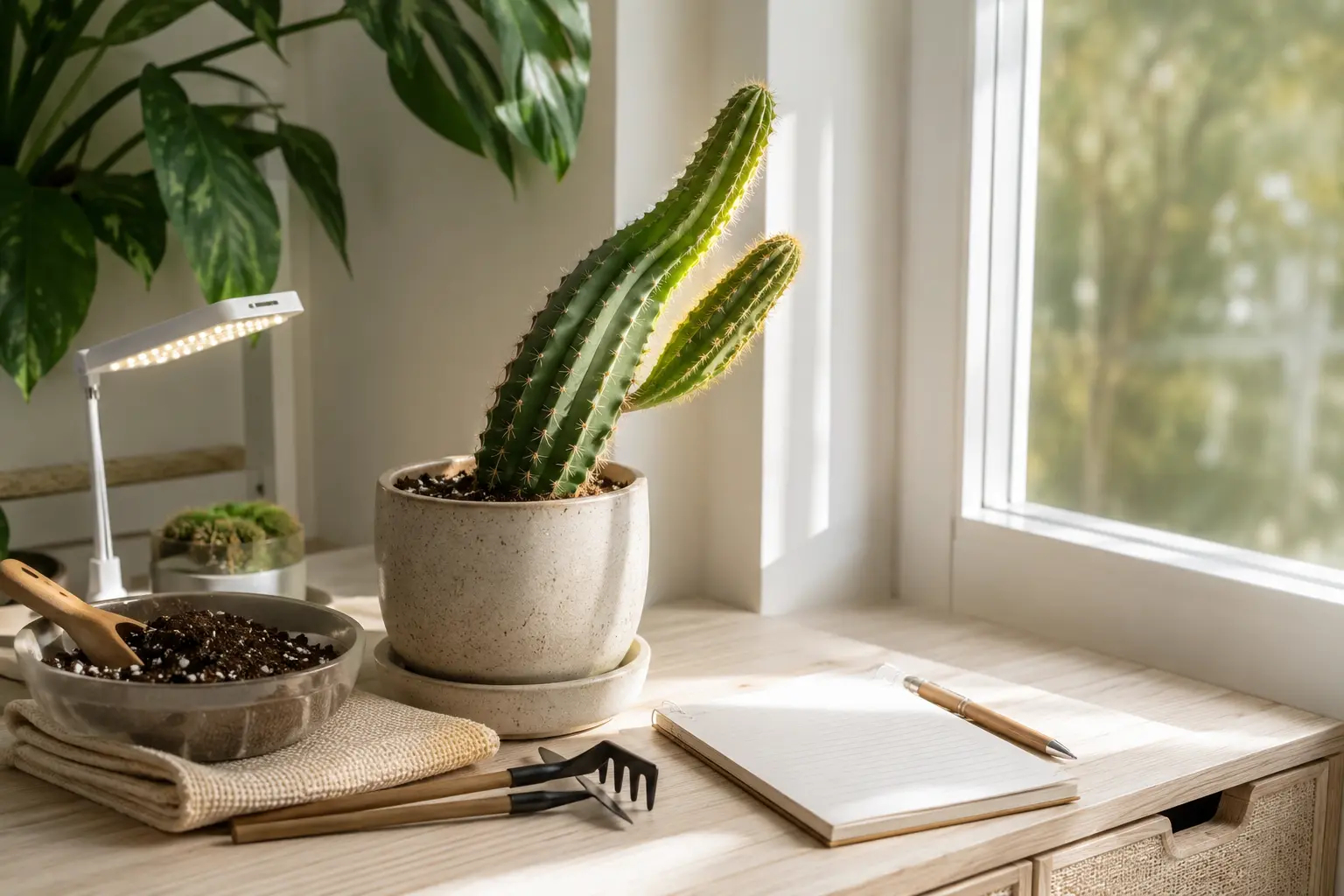
A healthy cactus should feel stable in its pot. It should not wobble strongly, collapse, or lean suddenly. Some cactus plants naturally grow in curved or unusual shapes, but sudden leaning can be a warning sign.
If your cactus is leaning toward a window, it may need more even light. If it feels loose in wet soil, weak roots or root rot may be the problem.
4. Growth Is Slow but Normal
Cactus plants are naturally slow growers. If your cactus grows slowly, that does not always mean something is wrong. Many healthy cactus plants only show small changes over weeks or months.
Healthy growth should look firm and balanced. If new growth becomes very tall, thin, pale, or weak, the cactus may not be getting enough light.
5. The Soil Dries Between Waterings
Healthy cactus care depends a lot on the soil. Cactus plants do best when the soil dries completely between waterings. If the soil stays wet for many days, the roots may become weak or rotten.
Check the soil with your finger or a wooden stick. If the soil is dry before you water again, your cactus is in a safer condition. If the soil is always damp, you may need better drainage or a faster-draining soil mix.
6. The Pot Has Good Drainage
A healthy cactus should be planted in a pot with drainage holes. Drainage holes allow extra water to escape after watering. Without drainage, water can stay trapped at the bottom of the pot and cause root rot.
Terracotta, ceramic, and concrete pots can all work well if they have drainage holes. The most important thing is that the roots are not sitting in standing water.
7. The Spines Look Normal
Healthy cactus spines should look attached, natural, and consistent with the cactus variety. Some cactus plants have long golden spines, while others have soft white hairs or tiny spines.
If the spines are falling off, the cactus skin looks damaged, or you notice cotton-like white spots, pests or stress may be present. Check the plant closely for mealybugs, scale insects, or other problems.
8. There Are No Soft or Mushy Spots
Soft or mushy spots are usually not a good sign. They often happen because of overwatering, root rot, or fungal problems. A healthy cactus should not have wet, dark, mushy, or spreading areas.
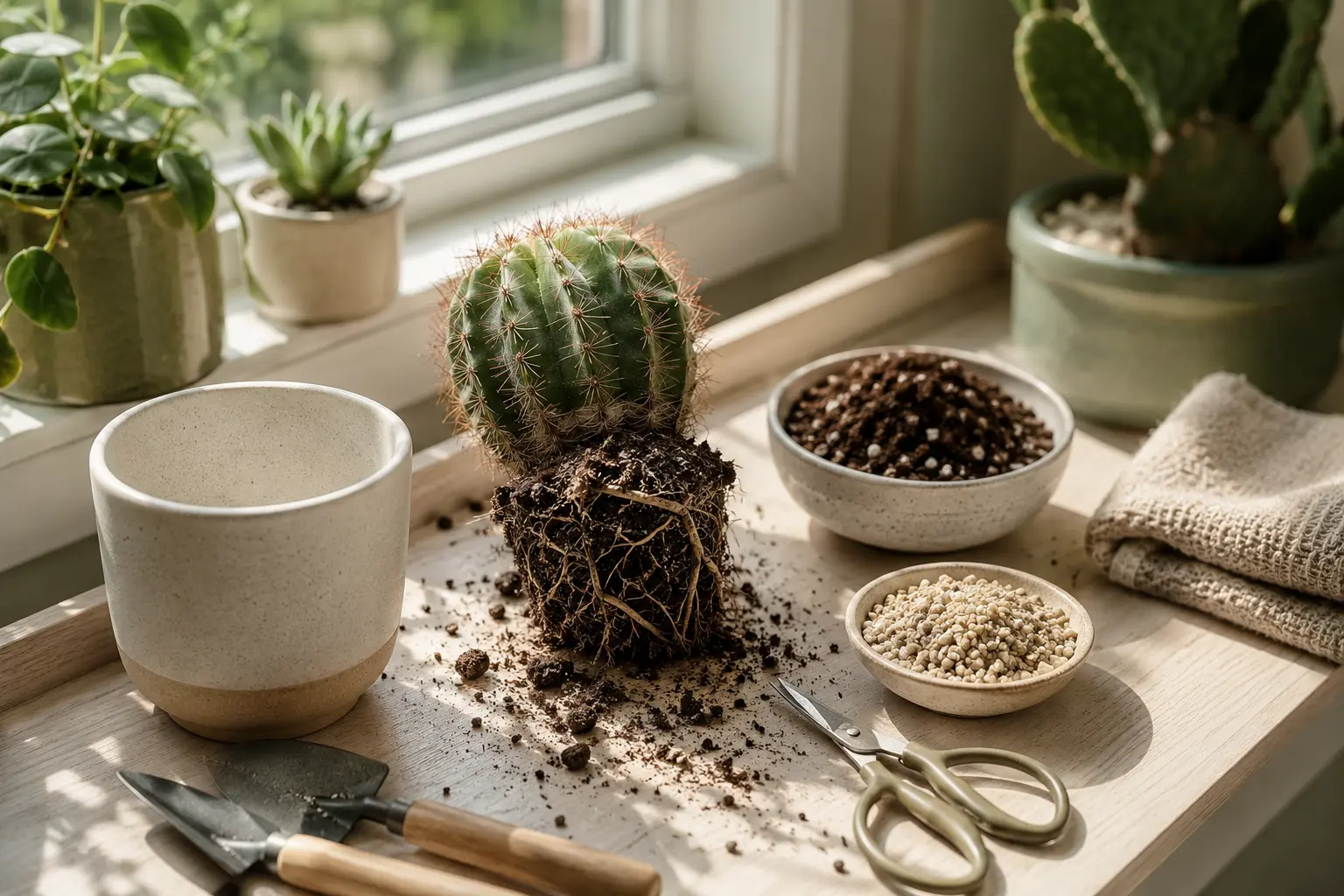
If you find a soft spot, stop watering and check the soil. If the problem is near the base, you may need to remove the cactus from the pot and inspect the roots.
9. The Roots Are Healthy
You do not need to check the roots often, but roots are very important for cactus health. Healthy cactus roots are usually firm and light-colored. Rotten roots may look brown, black, soft, slimy, or smell bad.
If your cactus is yellow, soft, loose, or sitting in wet soil, checking the roots can help you understand the problem. Healthy roots help the cactus stay stable and absorb water properly.
10. The Cactus Gets Enough Light
A healthy cactus usually needs bright natural light. Many indoor cactus plants grow best near a sunny window. Without enough light, a cactus may become pale, weak, tall, thin, or stretched.
If your cactus is firm, green, and growing evenly, it is probably receiving enough light. If it leans strongly toward the window, rotate the pot regularly and move it closer to brighter light if needed.
Healthy Cactus Checklist
- The cactus feels firm, not mushy.
- The color looks natural and stable.
- The plant stands upright or feels stable.
- The soil dries completely between waterings.
- The pot has drainage holes.
- There are no spreading brown, black, or soft spots.
- The cactus gets bright natural light.
- There are no visible pests.
Warning Signs Your Cactus Is Not Healthy
- Yellowing or pale color.
- Soft or mushy stems.
- Brown or black spreading spots.
- A bad smell from the soil.
- Wet soil that does not dry.
- Tall and thin stretched growth.
- Sudden leaning or wobbling.
- White cotton-like pests or sticky areas.
How to Keep Your Cactus Healthy
The best way to keep your cactus healthy is to create the right environment. Give it bright natural light, use fast-draining cactus soil, choose a pot with drainage holes, and water only when the soil is completely dry.
Avoid changing everything at once. If your cactus shows a problem, check one thing at a time: light, water, soil, pot, roots, and pests. This makes it easier to find the real cause and fix it correctly.
Final Thoughts
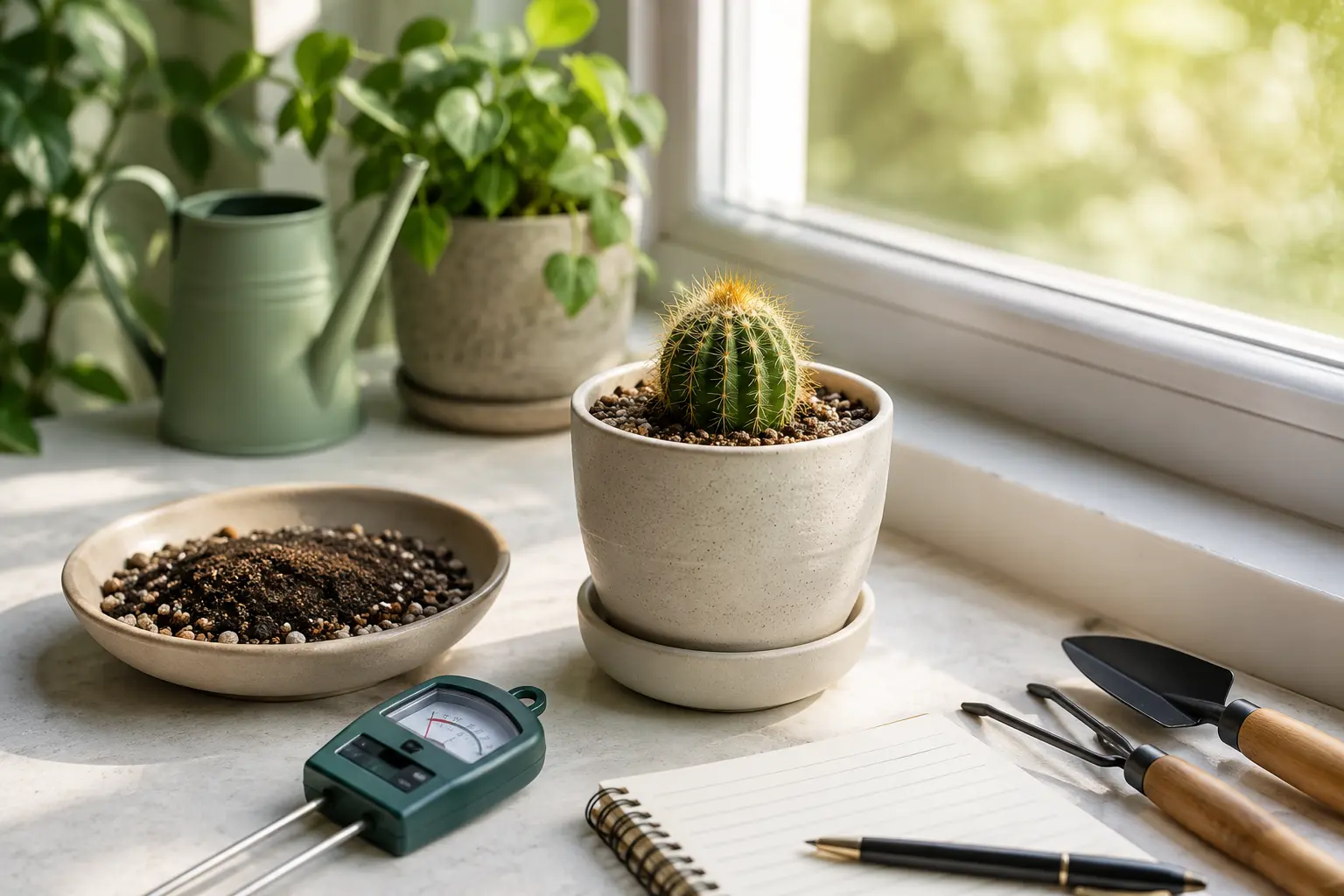
A healthy cactus is usually firm, stable, naturally colored, and planted in dry, fast-draining soil. It may grow slowly, but slow growth is normal for many cactus plants.
If your cactus has no soft spots, no pests, no bad smell, and no spreading discoloration, it is likely doing well. With bright light, careful watering, and good drainage, your cactus can stay healthy and beautiful indoors for many years.