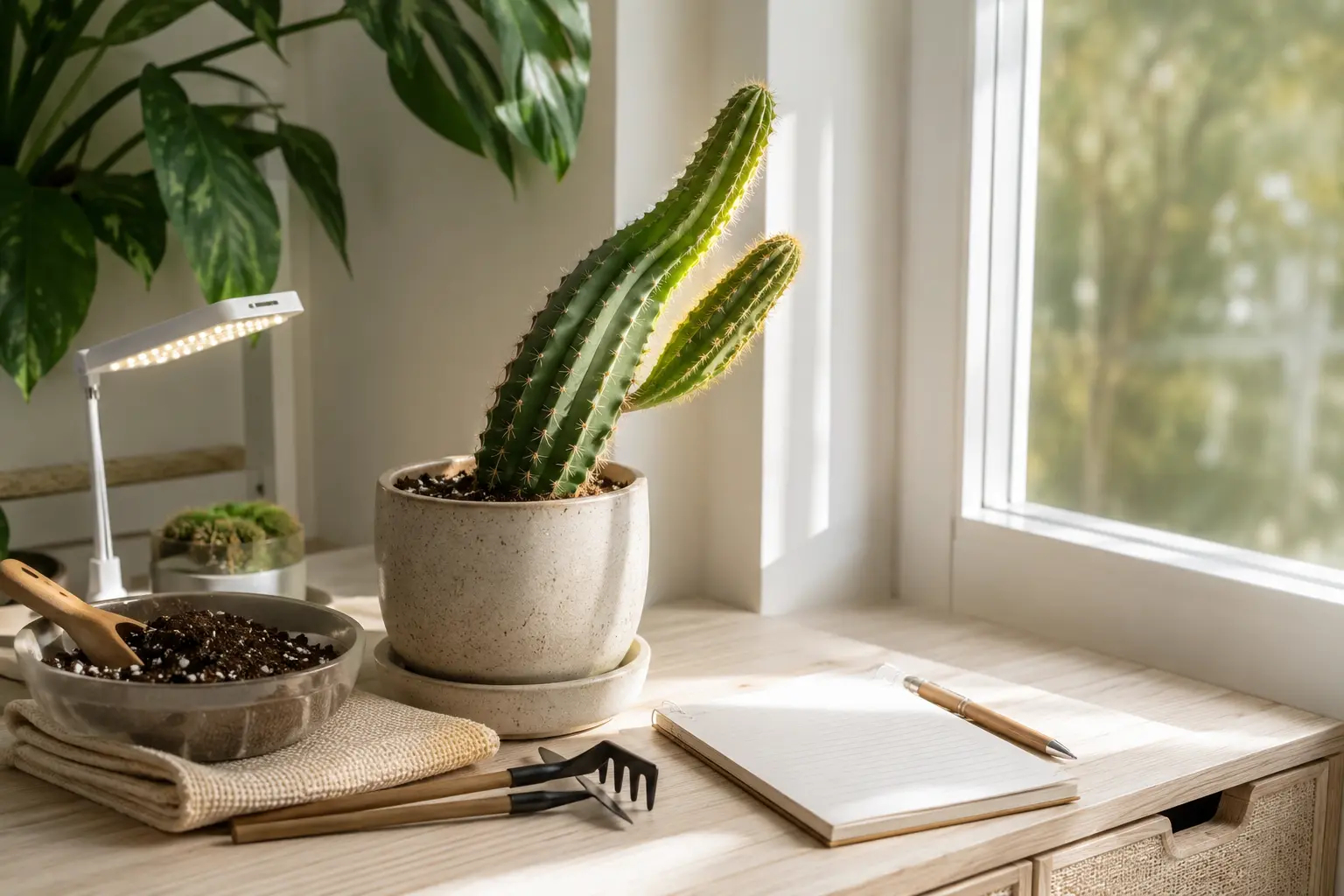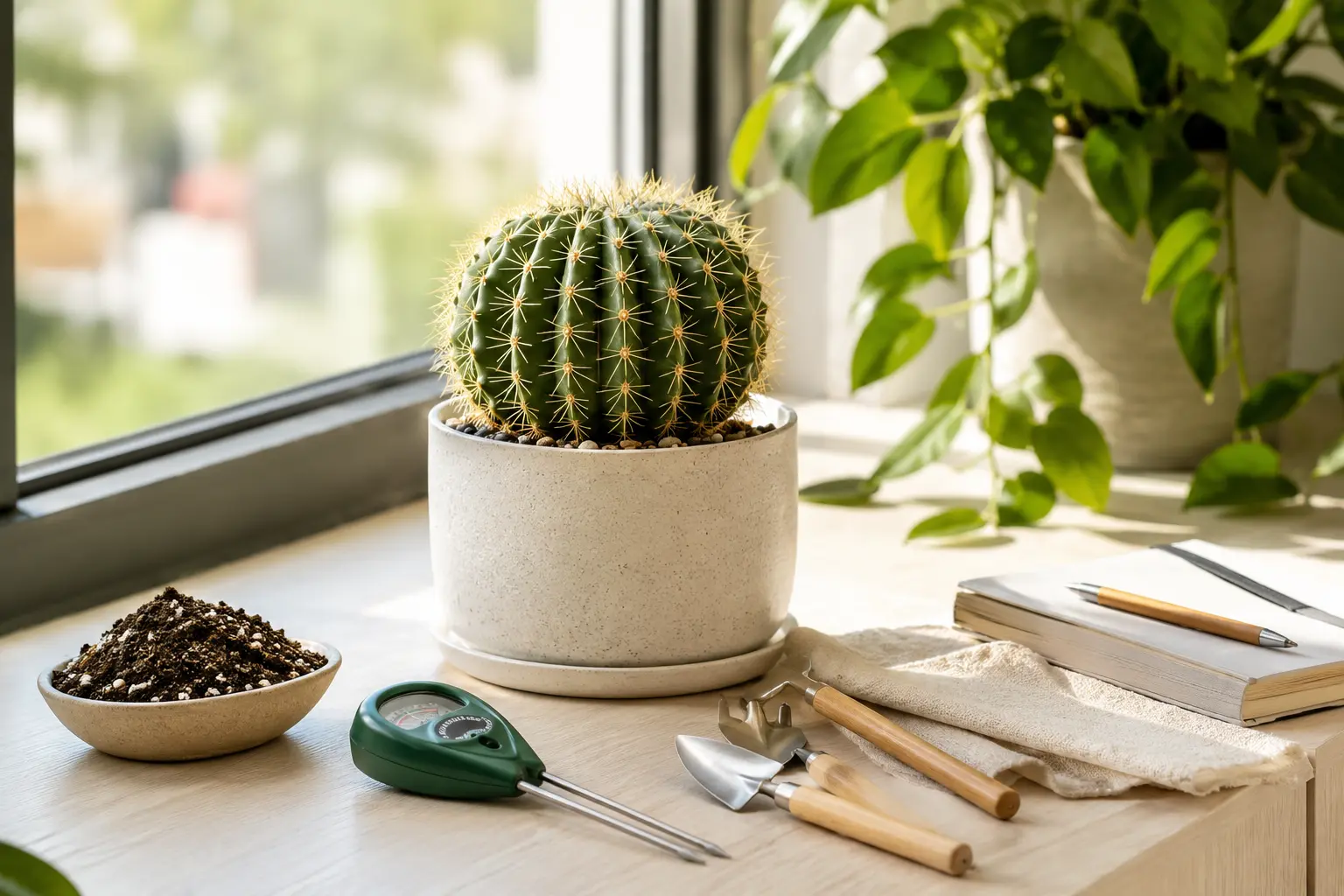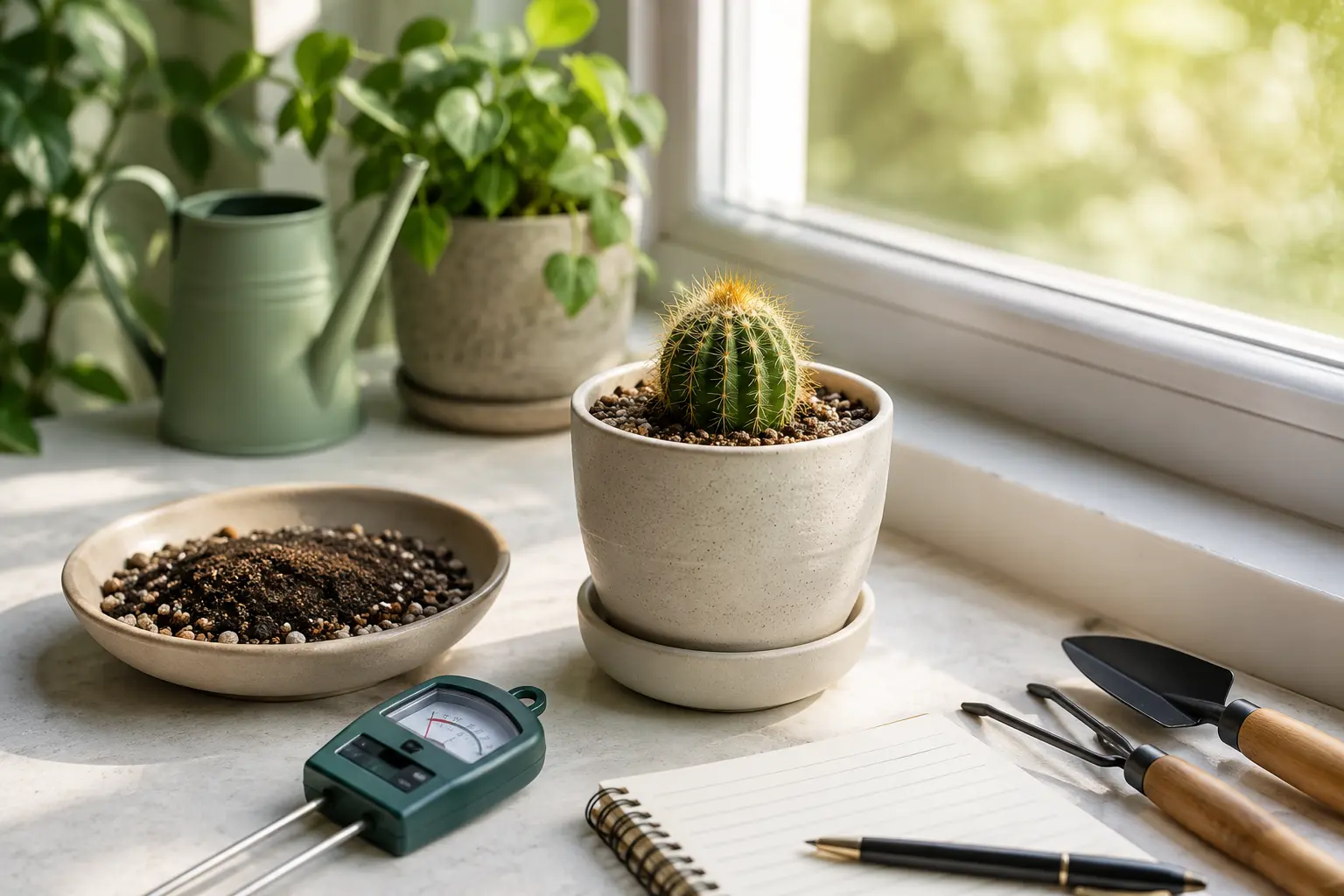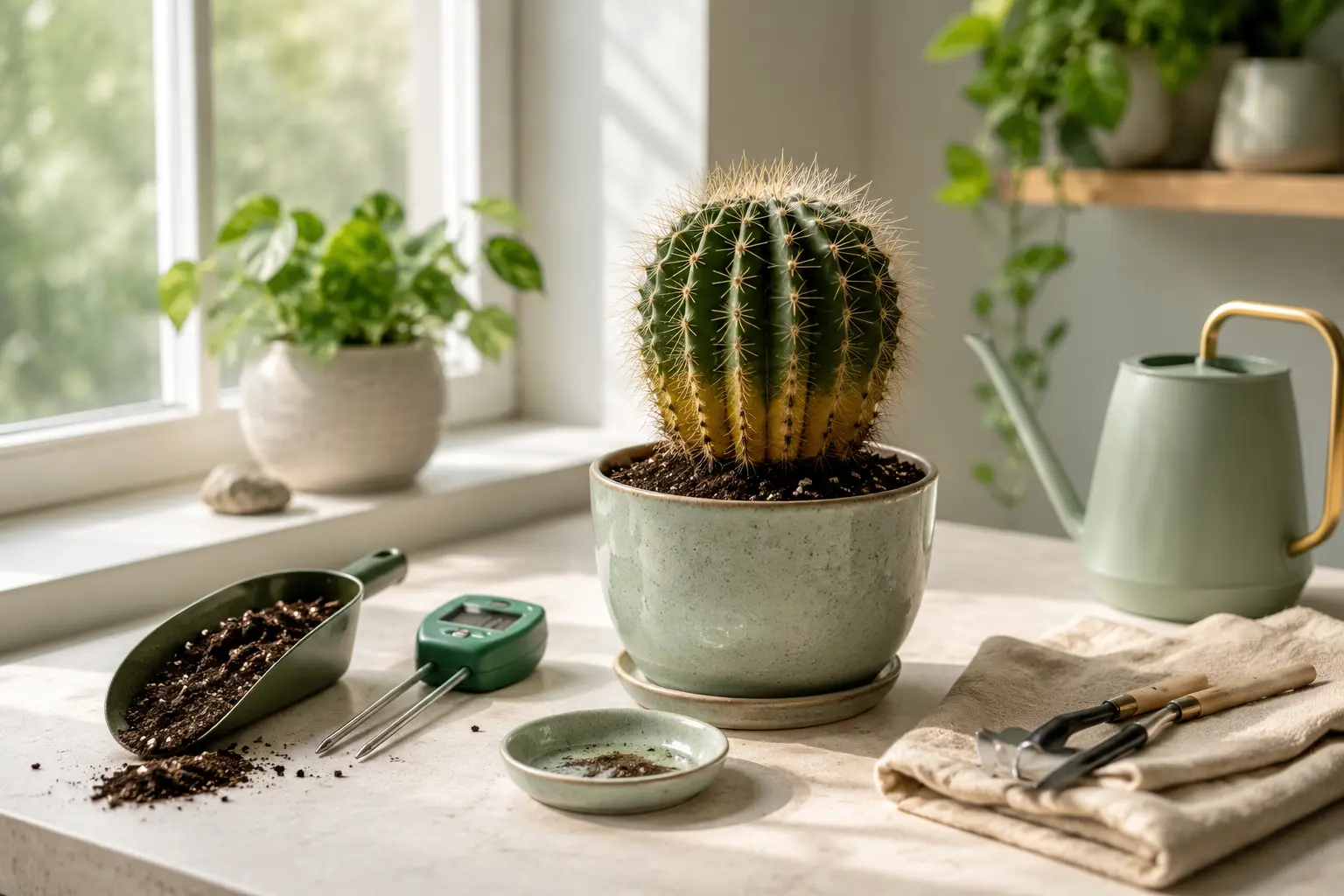
Learn the signs your cactus needs less water, including yellowing, soft stems, mushy spots, wet soil, root rot, and simple ways to fix overwatering.
Signs Your Cactus Needs Less Water
Cactus plants are famous for surviving dry conditions, but many beginners still water them too often. If your cactus is getting too much water, it may start showing warning signs such as yellowing, soft stems, mushy areas, wet soil, or weak roots.
Learning the signs your cactus needs less water can help you prevent serious problems like root rot. In this guide, you will learn how to recognize overwatering early, how to fix it, and how to create a safer watering routine for your cactus.
Quick answer: Your cactus needs less water if the soil stays wet for days, the cactus turns yellow, feels soft or mushy, smells bad, leans, or shows signs of root rot.
1. The Soil Stays Wet for Too Long
One of the clearest signs your cactus needs less water is soil that stays wet for many days. Cactus roots need dry periods between waterings. If the soil remains damp all the time, the roots cannot breathe properly.
Wet soil is especially dangerous in winter, in low-light rooms, or in pots without drainage holes. If your cactus soil is still moist several days after watering, you may be watering too often or using soil that holds too much moisture.
2. Your Cactus Is Turning Yellow
Yellowing is a common warning sign of overwatering. When a cactus receives too much water, the roots can become stressed and the plant may begin to lose its healthy green color.
If your cactus is yellow and the soil feels wet, too much water is likely the problem. Yellowing can also happen from low light or sunburn, so always check the soil and the plant texture before deciding what to do.
3. The Cactus Feels Soft
A healthy cactus should feel firm. If your cactus feels soft, squishy, or weak, it may be holding too much water inside its tissues. Softness often means the plant is stressed from excess moisture.
Soft cactus tissue should be taken seriously, especially if it appears near the base of the plant. This can be an early sign of root rot or stem rot.
4. Mushy or Watery Spots Appear
Mushy spots are a stronger sign that your cactus is getting too much water. These areas may look dark, yellow, brown, or black. They may also feel watery or collapse when touched gently.
If mushy spots are spreading, stop watering immediately. You may need to remove the cactus from its pot, inspect the roots, and cut away damaged areas with a clean tool.
5. The Base Looks Dark or Rotten
If the base of your cactus becomes brown, black, soft, or mushy, this may be a sign of rot. Base rot often starts when roots stay wet for too long and the damage moves upward into the plant body.
A dark soft base is more serious than a dry brown patch. Dry brown areas may be corking or sunburn, but soft dark areas usually need quick action.
6. The Soil Smells Bad
Healthy cactus soil should not smell bad. If the soil smells sour, rotten, or unpleasant, it may be too wet and may contain rotting roots or fungal growth.
A bad smell is often a warning that the roots need to be checked. Remove the cactus carefully from the pot and inspect the root system if you notice this problem.
7. The Cactus Starts Leaning or Feels Loose
Too much water can damage cactus roots. When the roots become weak, the cactus may no longer stay stable in the pot. It may start leaning, wobbling, or feeling loose in the soil.
If your cactus is leaning and the soil is wet, check the roots. Healthy roots are usually firm and light-colored, while rotten roots may look brown, black, soft, or slimy.
8. The Pot Has No Drainage Holes
If your cactus is planted in a pot without drainage holes, it may need less water than you think. Without drainage, extra water stays trapped at the bottom of the pot and can slowly damage the roots.
Decorative pots can look beautiful, but they are risky if water cannot escape. The safest option is to use a pot with drainage holes or keep the cactus in a nursery pot inside a decorative cover pot.
9. Your Cactus Is in Low Light
A cactus in low light usually needs less water because it uses water more slowly. If you water a cactus often while it is far from a bright window, the soil may stay wet too long.
Low light and frequent watering are a dangerous combination. Move the cactus to brighter natural light and reduce watering until the soil dries completely.
10. It Is Winter or a Cool Season
During winter, many cactus plants grow more slowly and need much less water. If you keep watering the same way you do in summer, your cactus may become overwatered.
In cooler months, always check the soil before watering. Many indoor cactus plants may only need water every four to six weeks in winter, depending on the room conditions.
What to Do If Your Cactus Needs Less Water
If your cactus is showing signs of too much water, stop watering immediately. Move the plant to a bright, dry place with good airflow and let the soil dry fully.
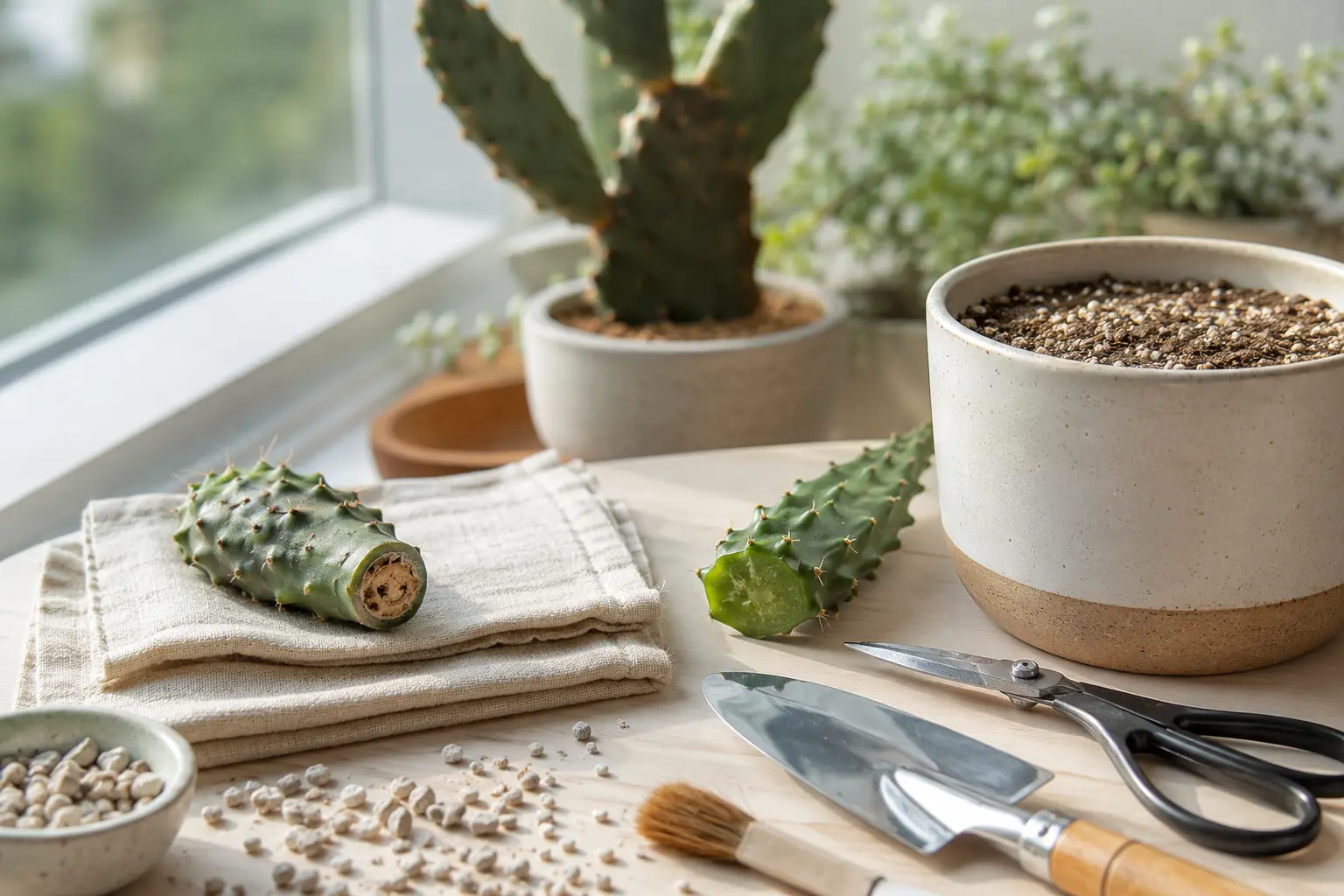
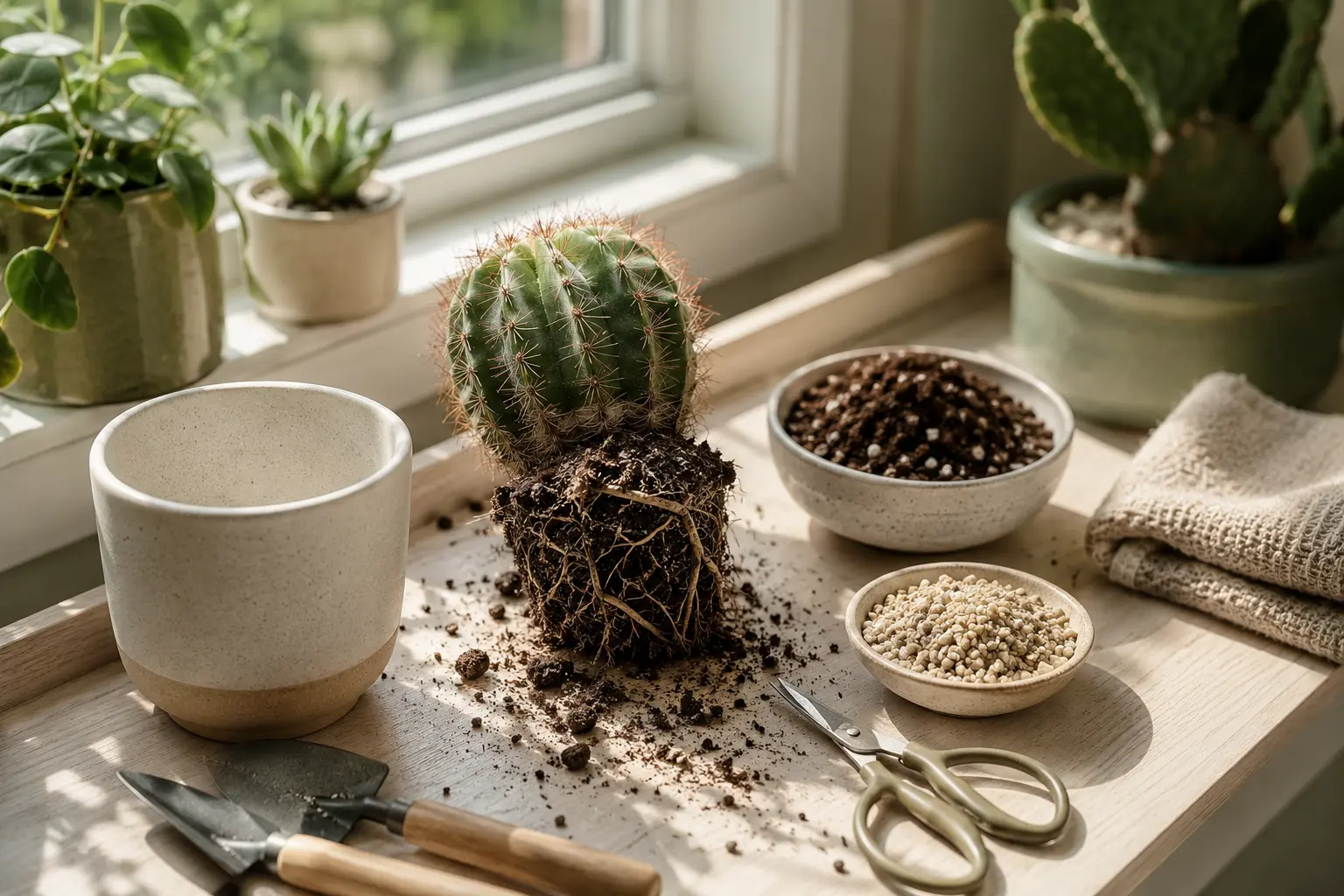
If the cactus is soft, mushy, or smells bad, remove it from the pot and inspect the roots. Cut away rotten roots with clean scissors and repot the cactus in fresh dry cactus soil.
Simple Fix Checklist
- Stop watering until the soil is completely dry.
- Move the cactus to brighter natural light.
- Check if the pot has drainage holes.
- Use fast-draining cactus soil.
- Remove wet old soil if it smells bad.
- Inspect roots if the cactus is soft or loose.
- Cut away rotten roots with clean tools.
- Wait before watering after repotting.
How Often Should You Water a Cactus?
There is no perfect watering schedule for every cactus. The best rule is to water only when the soil is completely dry. In warm months, this may be every two to three weeks for many indoor cactus plants.
In winter, watering may be needed only once every four to six weeks, or even less if your home is cool and the soil dries slowly. Always check the soil before watering.
How to Prevent Overwatering
- Use a cactus soil mix that drains quickly.
- Choose terracotta or ceramic pots with drainage holes.
- Do not water on a strict calendar without checking soil.
- Avoid leaving water in the saucer.
- Water less during winter and low-light periods.
- Use a wooden stick or moisture meter to check soil moisture.
Final Thoughts
The main signs your cactus needs less water are wet soil, yellowing, soft stems, mushy spots, bad smell, leaning, and root rot. These problems usually happen when the cactus is watered too often or planted in soil that does not drain well.
To keep your cactus healthy, water only when the soil is completely dry, use fast-draining cactus soil, choose a pot with drainage holes, and reduce watering during winter. With the right watering routine, your cactus can stay firm, green, and healthy indoors.