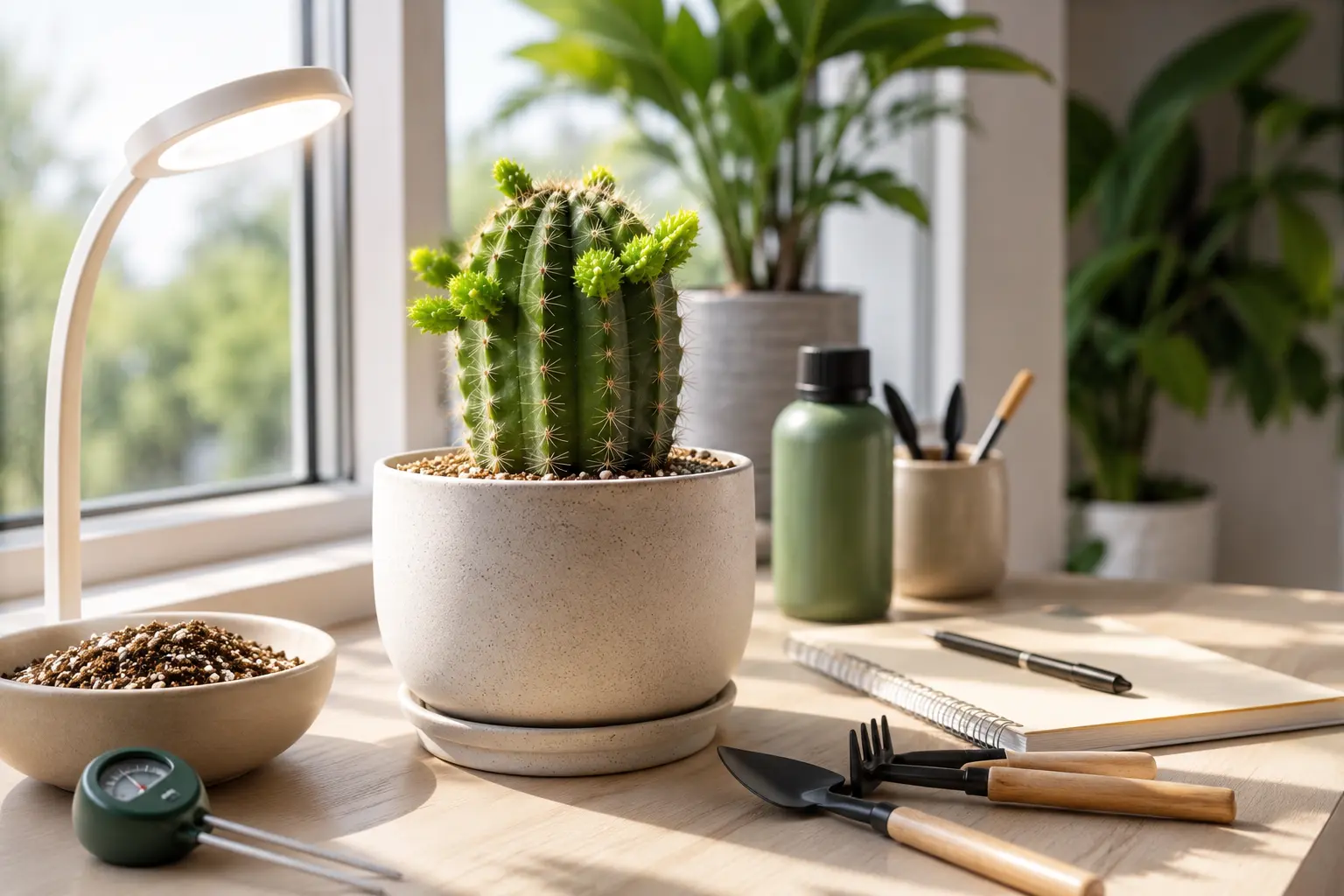
Learn how to make a cactus grow faster with proper sunlight, watering, soil, pot size, fertilizer, temperature, and simple indoor cactus care tips.
How to Make a Cactus Grow Faster
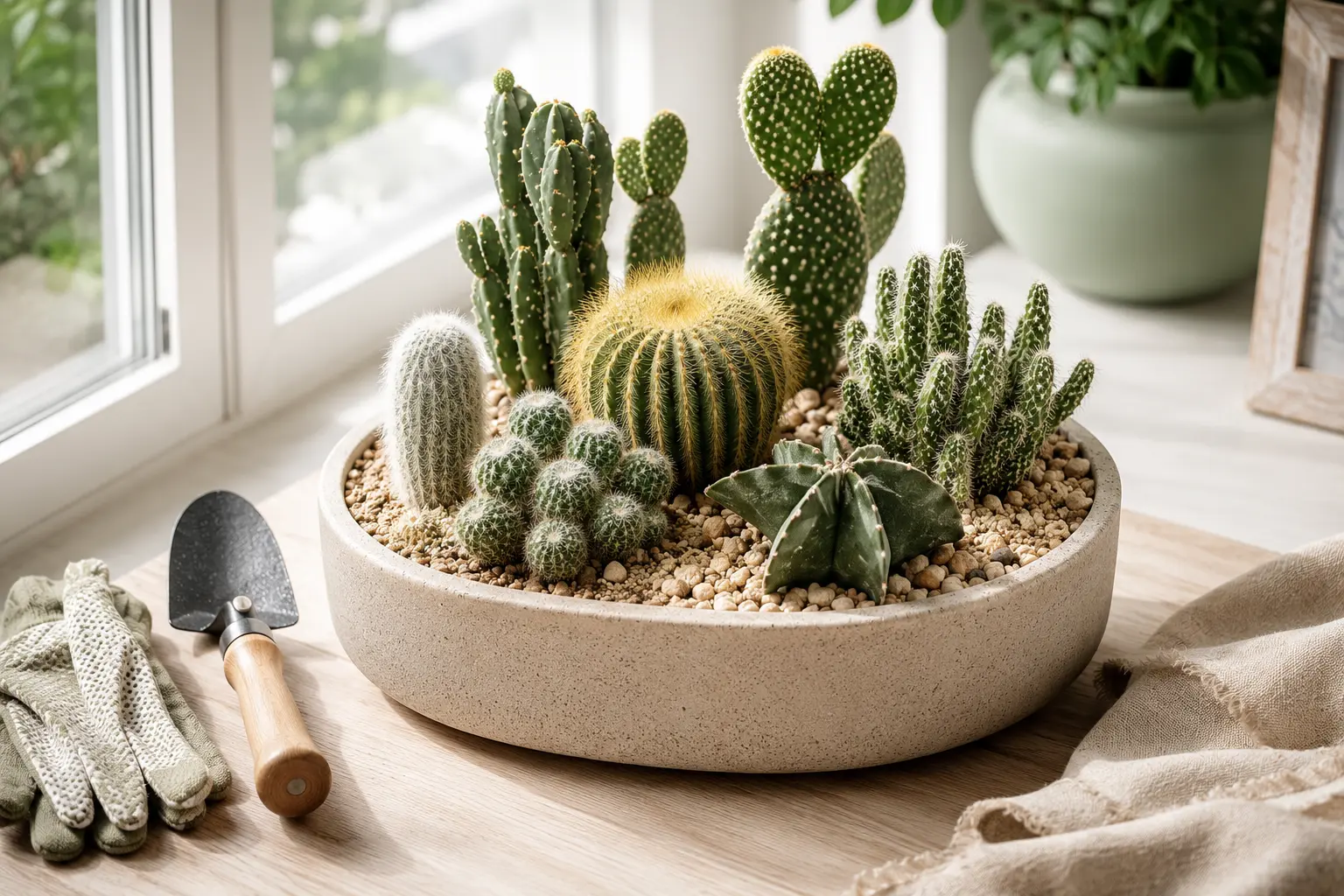
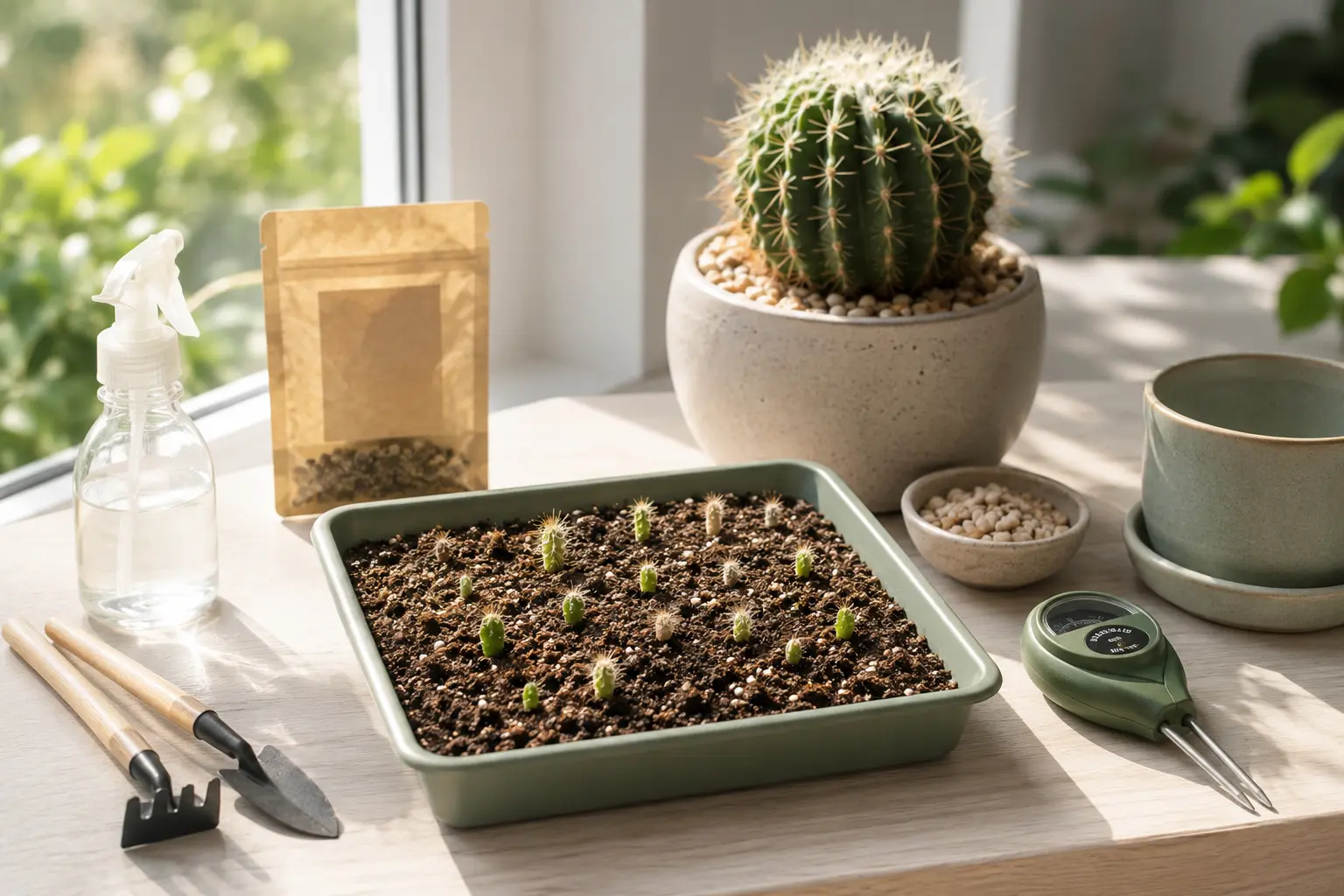
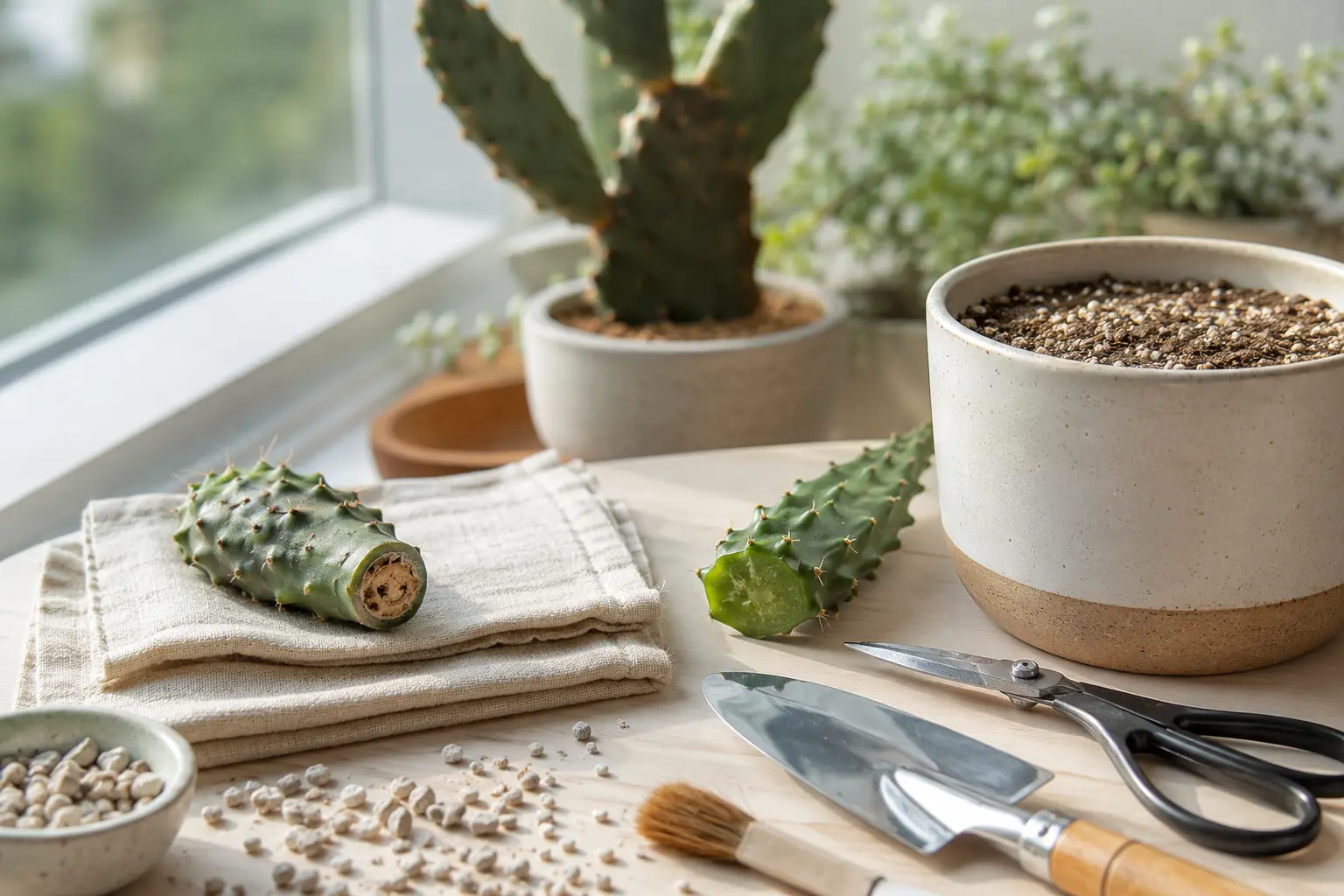
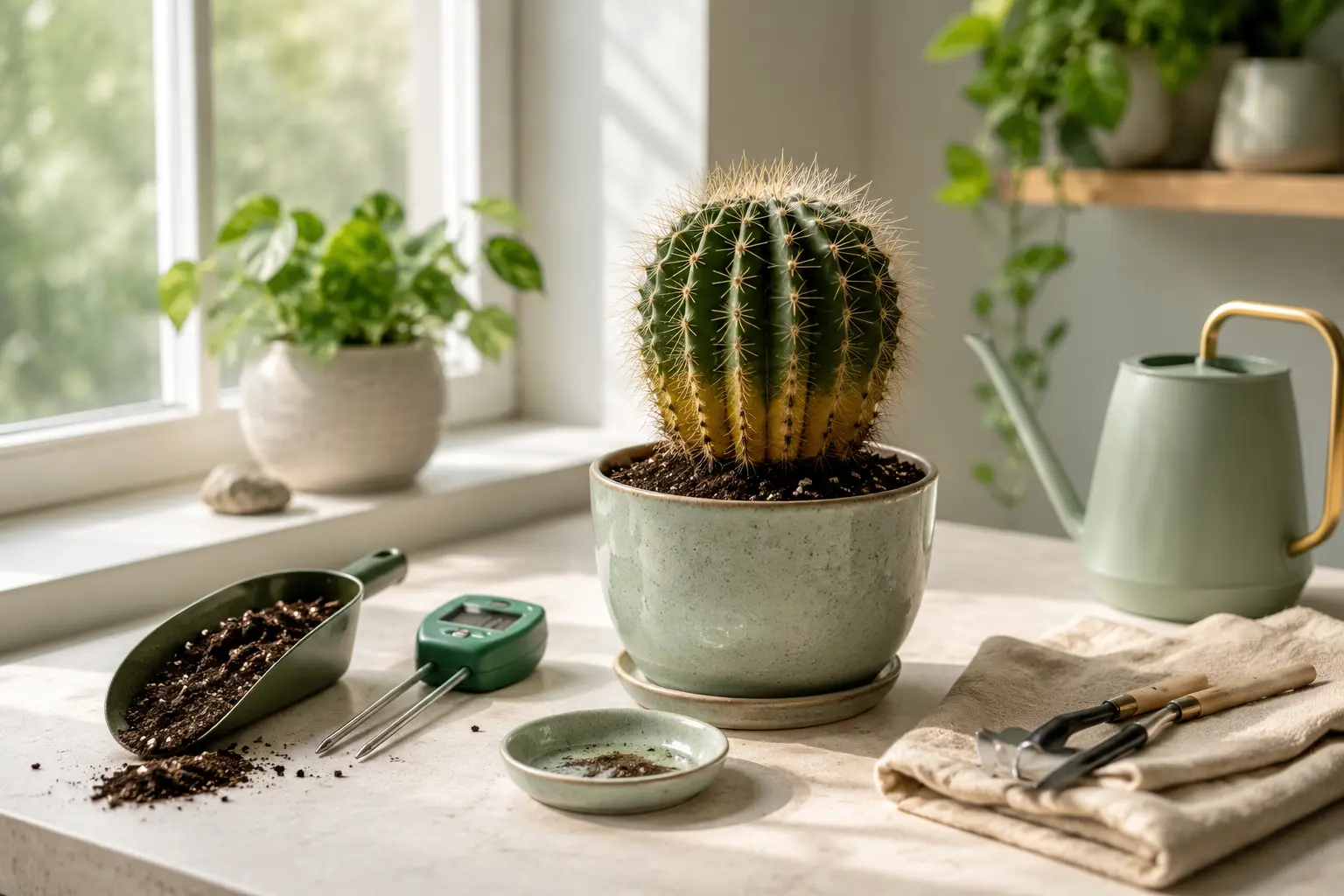
Cactus plants are naturally slow growers, so it is normal if your cactus does not change quickly. Many cactus plants grow only a little each year, especially when they are kept indoors. However, with the right care, you can help your cactus grow stronger, healthier, and slightly faster.
The key is not to force growth with too much water or fertilizer. Instead, you need to give your cactus the best growing conditions: bright light, fast-draining soil, proper watering, good airflow, the right pot, and gentle feeding during the growing season.
Quick answer: To make a cactus grow faster, give it bright light, water only when the soil is dry, use fast-draining cactus soil, fertilize lightly in spring and summer, and keep it warm during the growing season.
Do Cactus Plants Grow Slowly?
Yes, many cactus plants grow slowly by nature. Some types grow faster than others, but most cactus plants are not fast-growing houseplants. Their slow growth helps them survive dry conditions and store water carefully.
If your cactus looks firm, green, and stable, slow growth may be completely normal. The goal is not to make it grow unnaturally fast, but to support healthy growth during the active season.
1. Give Your Cactus More Bright Light
Light is one of the most important factors for cactus growth. A cactus that does not receive enough light may grow very slowly, stretch, lean, or become tall and thin. Bright natural light helps the plant produce energy and grow stronger.
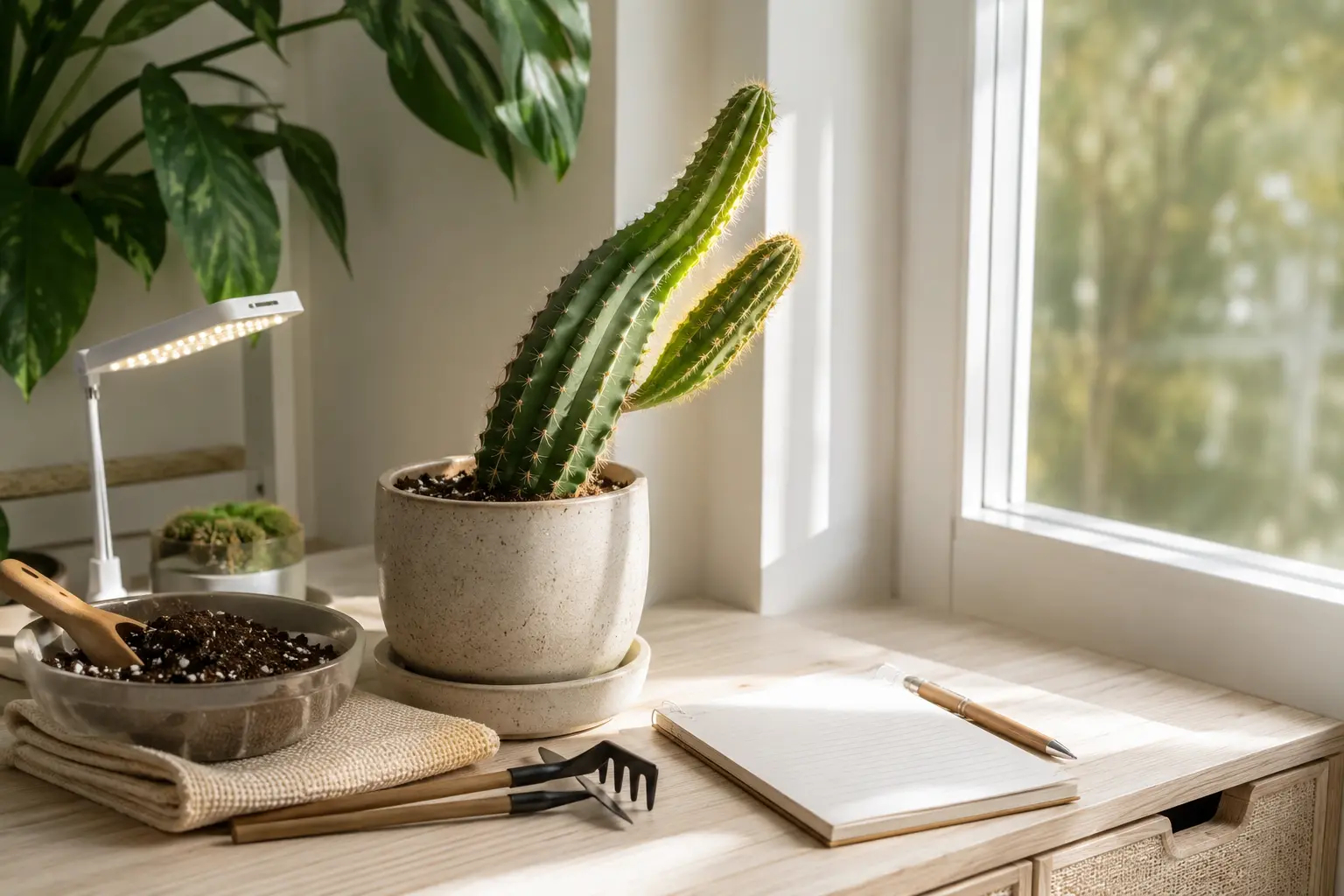
Place your cactus near a sunny window where it can receive several hours of bright light each day. South-facing, east-facing, or bright west-facing windows can work well depending on your home.
Important Light Tip
Do not move a cactus suddenly from low light into strong direct sun. Increase sunlight slowly over several days or weeks to avoid sunburn. Morning sun is usually safer than harsh afternoon sun.
2. Use Fast-Draining Cactus Soil
Good soil helps cactus roots stay healthy. If the soil is heavy and stays wet for too long, the roots can become weak or rotten. Weak roots slow growth and can cause yellowing, soft stems, or root rot.
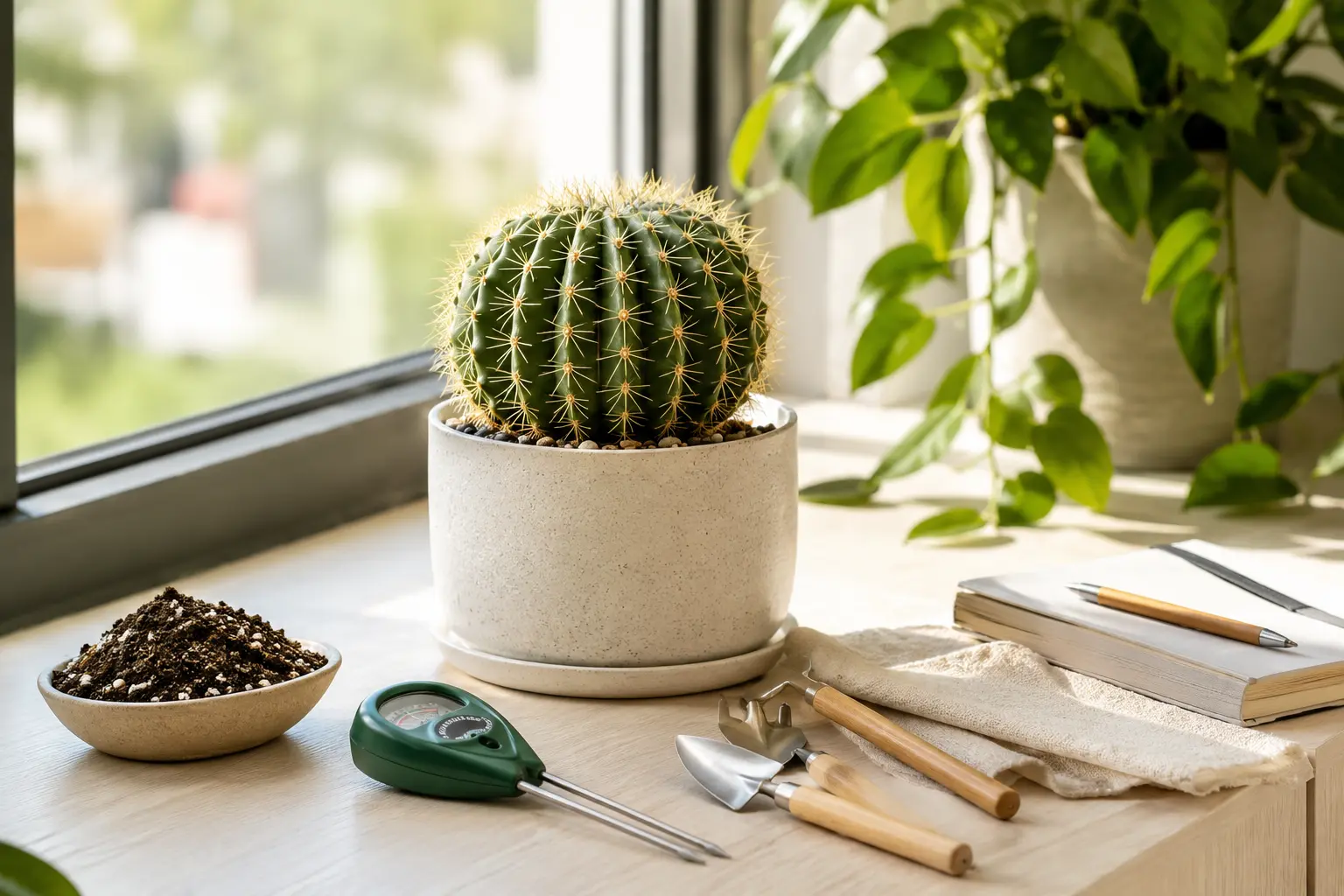
Use a cactus soil mix that drains quickly. You can improve regular potting soil by adding perlite, pumice, coarse sand, or small gravel. The soil should be light, airy, and dry between waterings.
3. Water Correctly
Proper watering can help your cactus grow better, but too much water can do serious damage. Cactus plants do not need constant moisture. They grow best when they receive deep watering followed by a dry period.
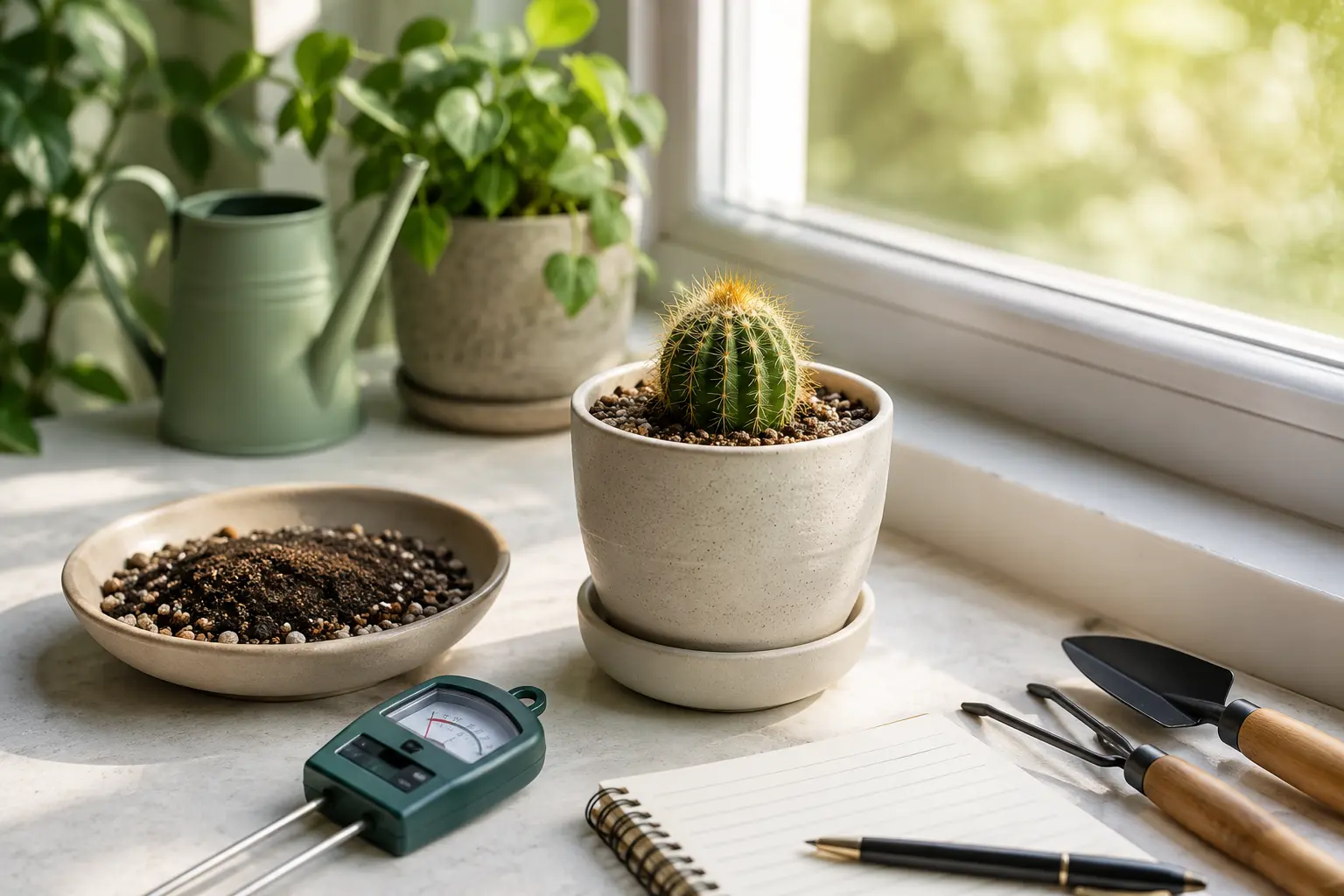
Water your cactus only when the soil is completely dry. When you water, water deeply until extra water drains from the bottom of the pot. Then wait until the soil dries again before watering next time.
Warning: Watering more often will not make a cactus grow faster. It can cause root rot and stop growth completely.
4. Choose the Right Pot Size
Pot size can affect cactus growth. A pot that is too small may limit root space, while a pot that is too large can hold too much wet soil. Both problems can slow growth.
Choose a pot that is only slightly larger than the cactus root ball. The pot should have drainage holes so extra water can escape. Terracotta pots are a good choice because they help soil dry faster.
5. Fertilize During the Growing Season
Fertilizer can support cactus growth, but it must be used carefully. The best time to fertilize cactus plants is during spring and summer, when many cactus plants are actively growing.
Use a cactus fertilizer or a balanced houseplant fertilizer diluted to a weaker strength. Fertilizing once a month during the growing season can be enough for many cactus plants.
Avoid fertilizing in winter when cactus plants usually grow slowly or rest. Fertilizing during dormancy can cause weak growth and stress.
6. Keep Your Cactus Warm
Cactus plants usually grow better in warm conditions. During spring and summer, warmth helps support active growth. If your cactus is kept in a very cold room, growth may slow down.
Keep your cactus away from cold drafts, freezing windows, and air conditioners. A stable warm indoor location with bright light is better for healthy growth.
7. Improve Airflow
Good airflow helps cactus soil dry properly and reduces the risk of fungal problems. A cactus kept in a dark, humid, still corner may grow slowly and become more likely to rot.
Place your cactus in a bright area with normal indoor airflow. Avoid placing it in a closed, damp space where the soil stays wet for too long.
8. Repot Only When Needed
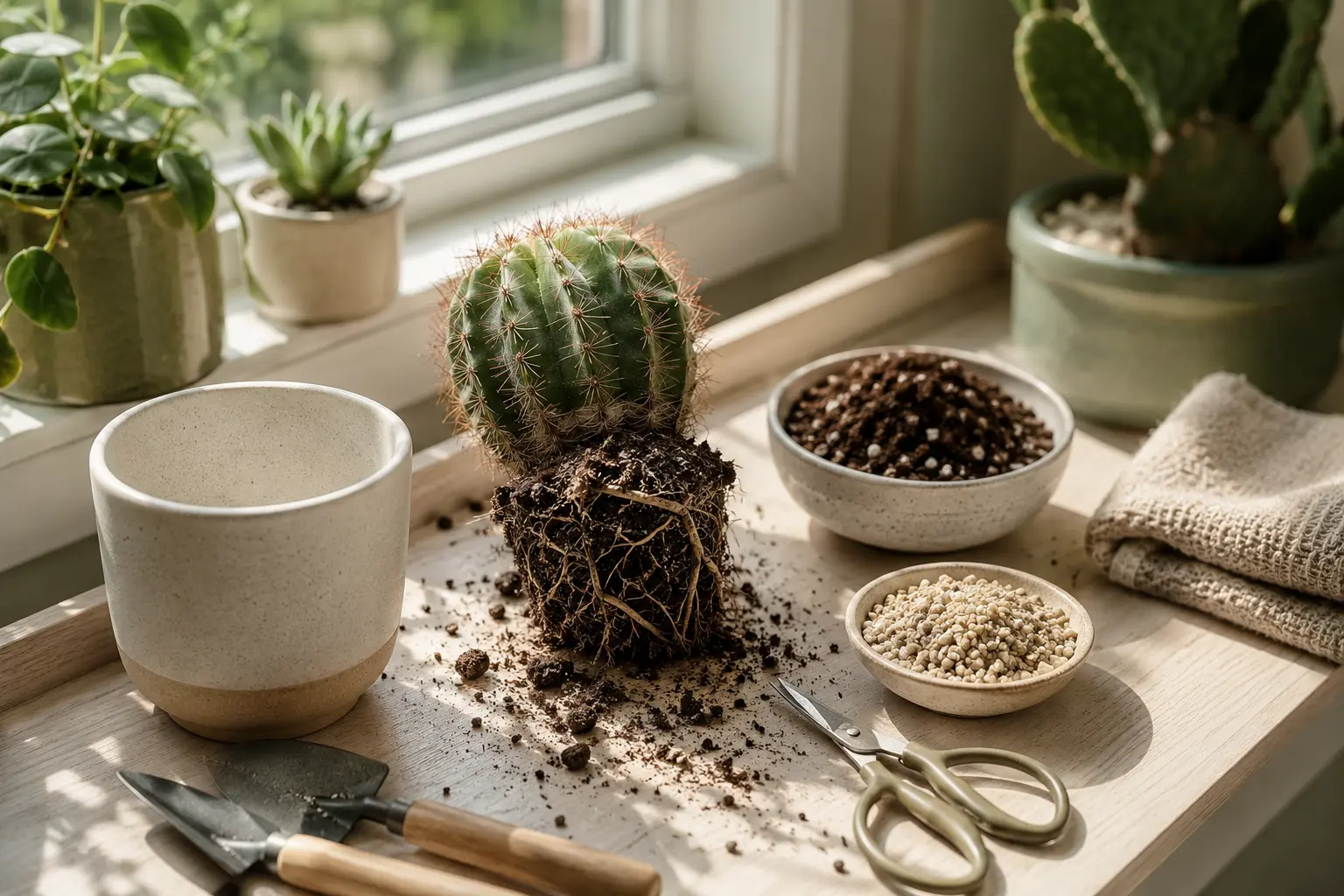
Repotting can help growth if the cactus is root-bound or sitting in old compact soil. However, repotting too often can stress the plant and slow growth.
Most cactus plants only need repotting every two to three years. Repot during spring or early summer when the cactus is more likely to recover well.
9. Use a Grow Light If Your Home Is Dark
If your home does not have enough natural light, a grow light can help your cactus grow better. Grow lights are useful for apartments, offices, winter months, and rooms with small windows.
Place the grow light close enough to provide strong brightness, but not so close that it overheats the plant. A consistent light source can help prevent stretching and weak growth.
10. Be Patient with Natural Growth
Even with perfect care, cactus plants will not grow as quickly as many leafy houseplants. Some cactus varieties grow very slowly, and that is normal. Healthy growth is more important than fast growth.
Watch for small signs of progress such as new spines, fresh green growth, a fuller shape, or stronger roots. These are good signs that your cactus is growing well.
Best Conditions for Faster Cactus Growth
- Bright natural light for several hours daily.
- Fast-draining cactus soil.
- A pot with drainage holes.
- Watering only when the soil is dry.
- Warm temperatures during the growing season.
- Light fertilizer during spring and summer.
- Good airflow and low excess humidity.
- Repotting only when necessary.
Mistakes That Slow Cactus Growth
- Keeping the cactus in a dark room.
- Watering too often.
- Using heavy soil that stays wet.
- Using a pot without drainage holes.
- Fertilizing too much or during winter.
- Repotting too frequently.
- Exposing the cactus to cold drafts.
- Moving it suddenly into harsh direct sun.
Final Thoughts
To make a cactus grow faster, focus on healthy growing conditions rather than forcing the plant. Bright light, correct watering, fast-draining soil, a good pot, warmth, and gentle fertilizer during spring and summer can all support better growth.
Remember that cactus plants are naturally slow-growing. If your cactus is firm, green, stable, and producing small signs of new growth, it is likely doing well. With patience and proper care, your cactus can grow stronger and healthier over time.