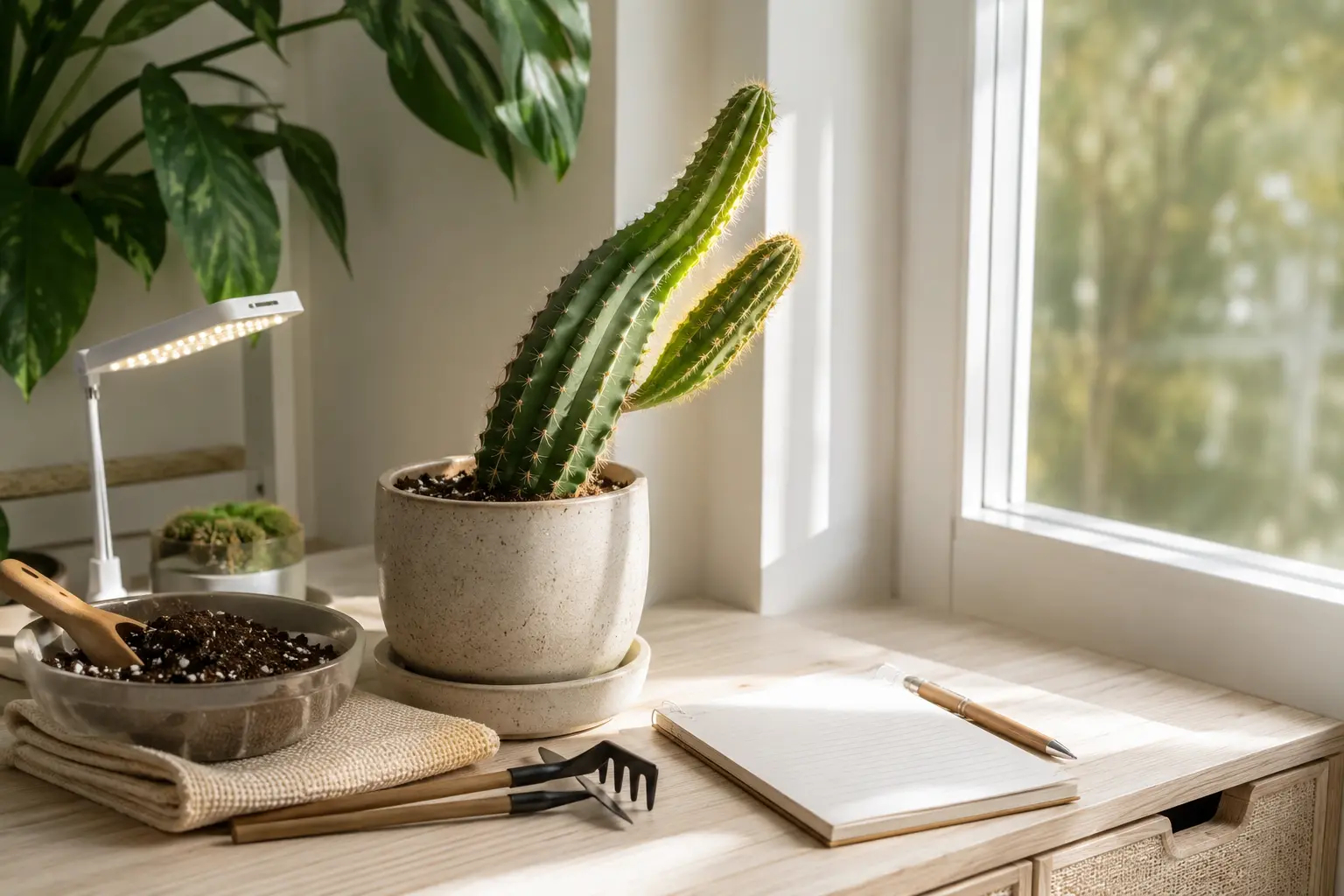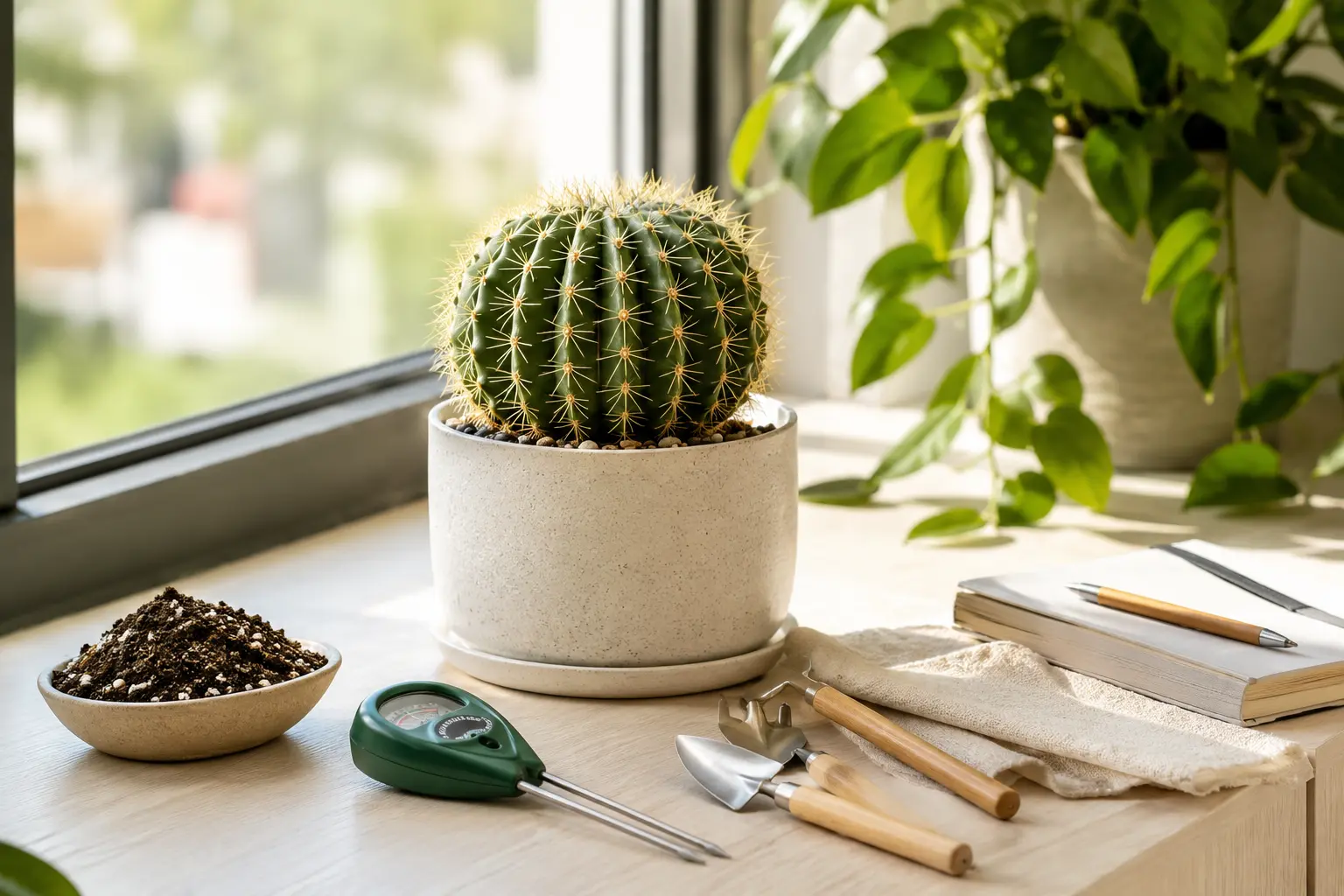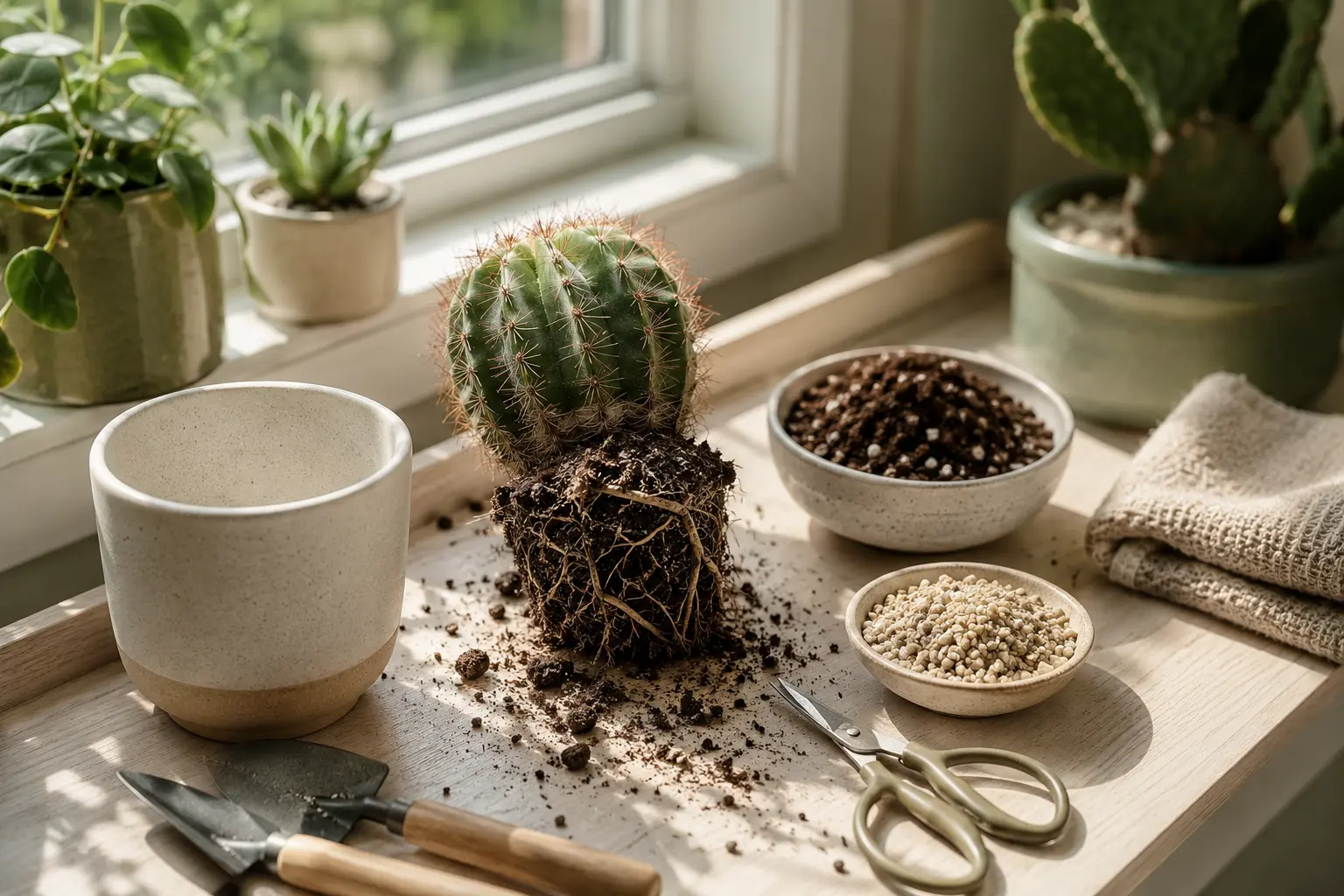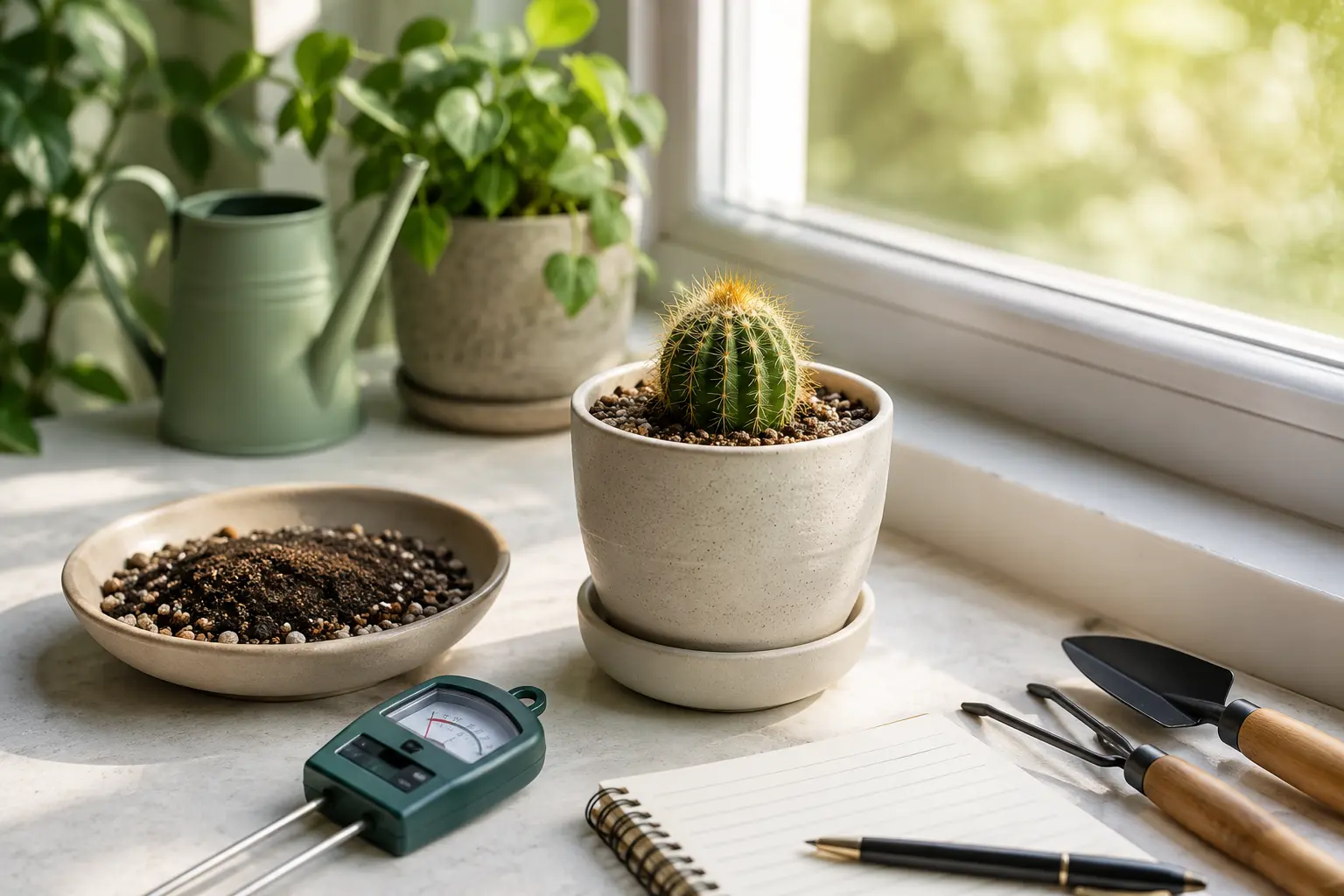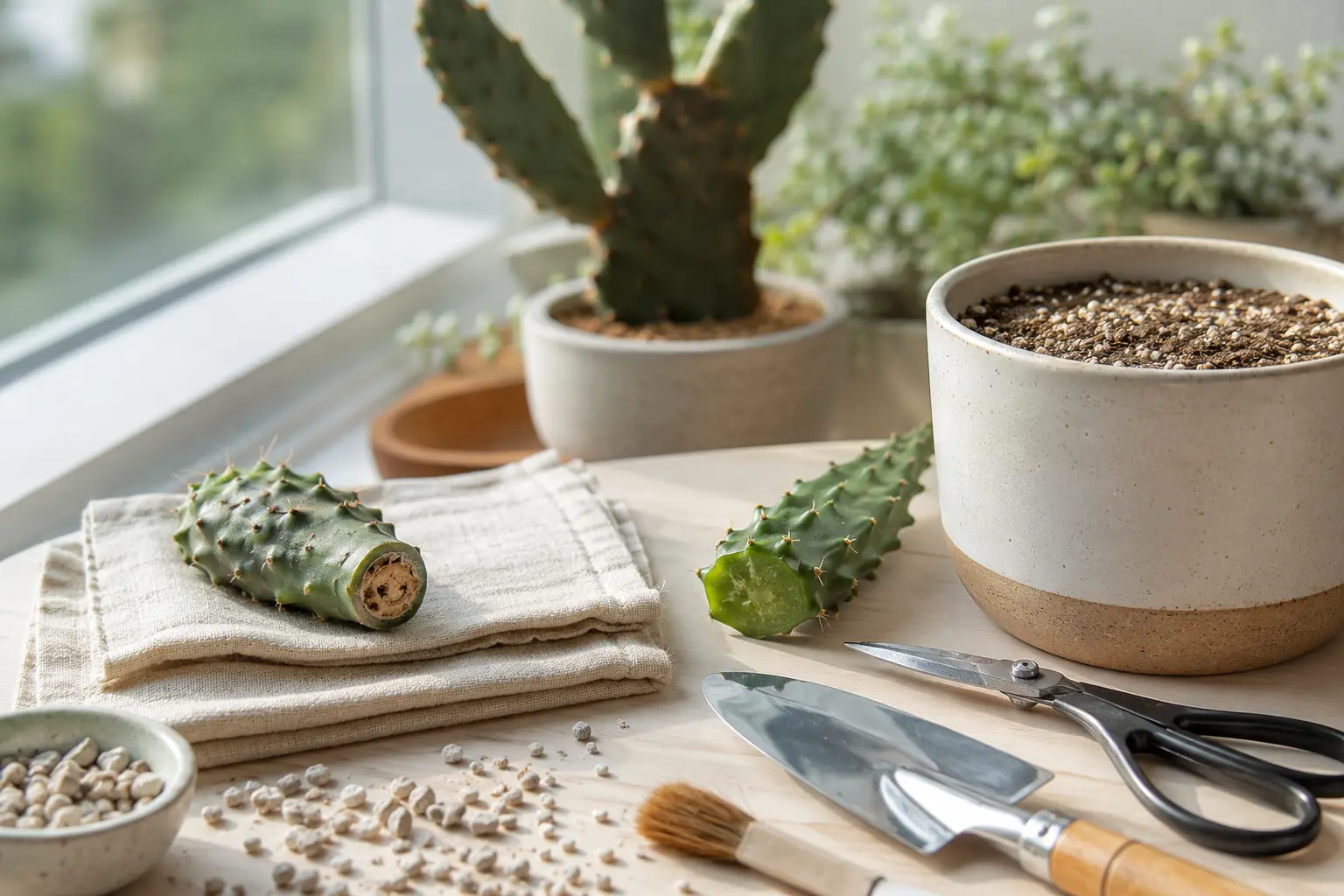
Learn how to propagate cactus from cuttings step by step, including how to take a cutting, let it callus, plant it correctly, water safely, and avoid common mistakes.
How to Propagate Cactus from Cuttings
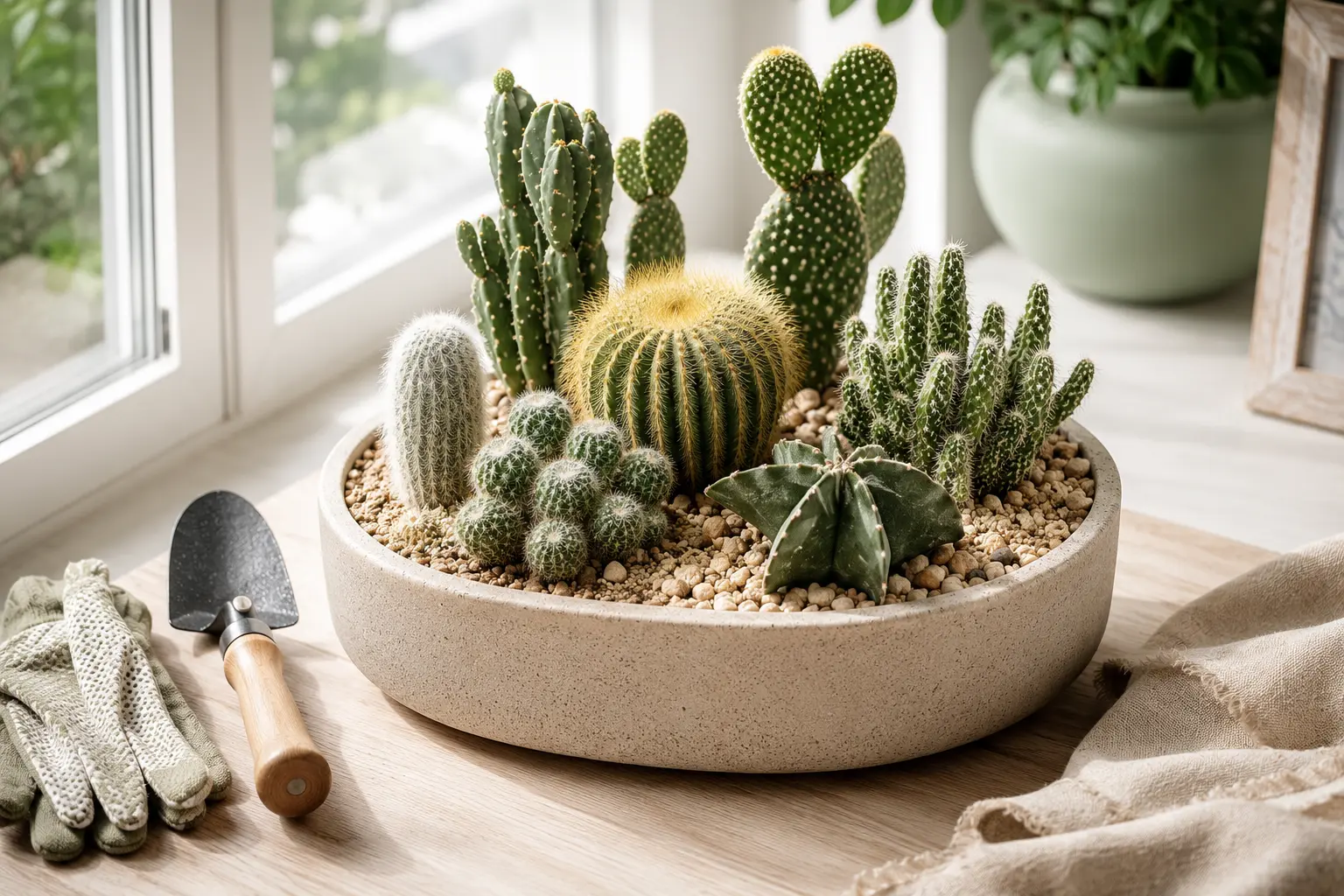
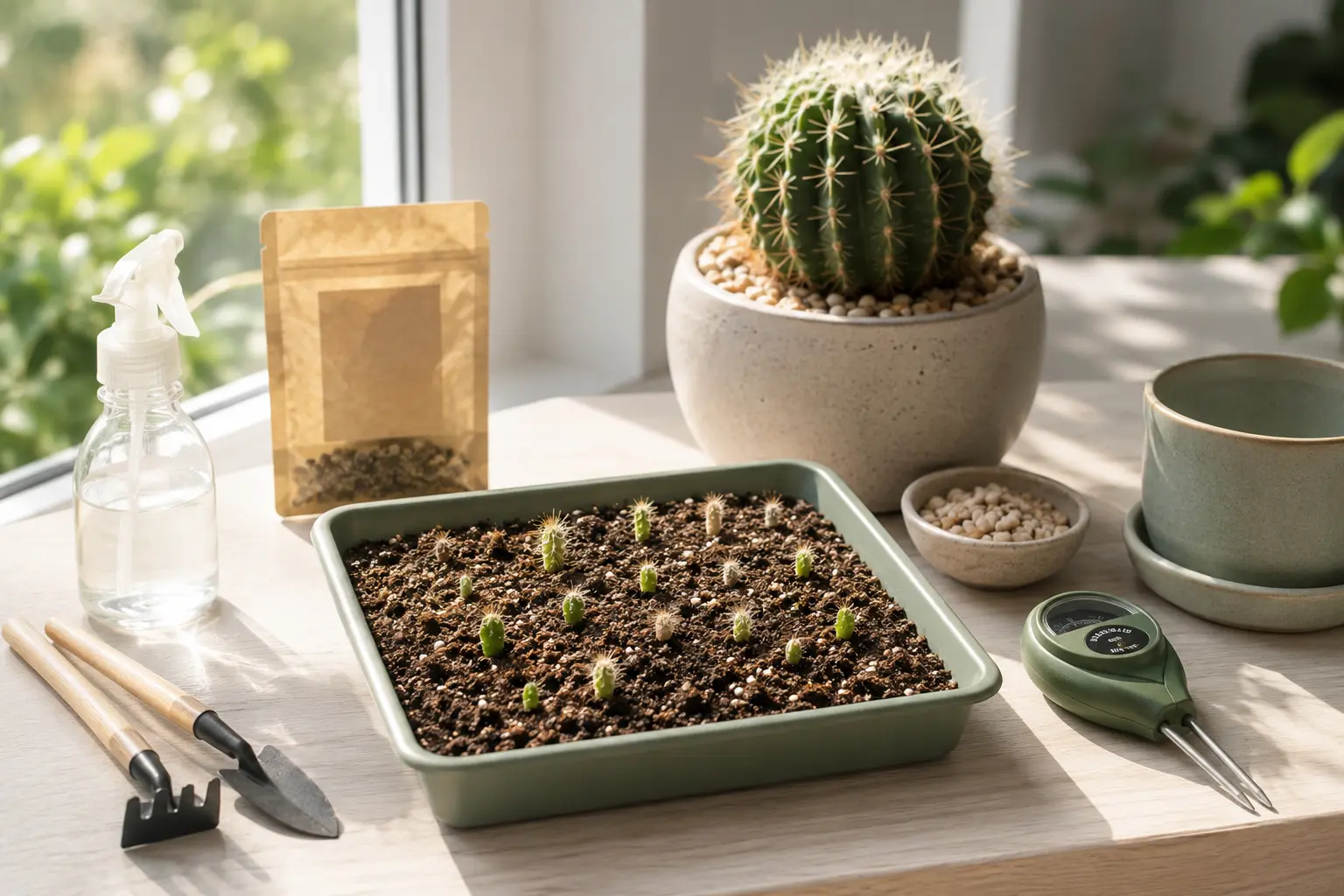
Propagating cactus from cuttings is one of the easiest ways to grow new cactus plants at home. Instead of buying another plant, you can use a healthy piece from an existing cactus and help it grow roots in fresh cactus soil.
Cactus propagation is simple, but it must be done carefully. The most important steps are choosing a healthy cutting, letting the cut end dry and callus, planting it in dry fast-draining soil, and waiting before watering. In this guide, you will learn how to propagate cactus from cuttings step by step.
Quick answer: To propagate cactus from cuttings, cut a healthy cactus piece with a clean tool, let the cut end dry and callus, place it in dry cactus soil, and water only after roots begin to form.
Can You Grow a Cactus from a Cutting?
Yes, many cactus plants can grow from cuttings. This method works especially well for cactus plants with pads, stems, columns, or branches. When the cutting is allowed to heal properly, it can produce new roots and become a new plant.
Not every cactus propagates the same way, but the basic idea is similar: take a healthy piece, let it dry, then plant it in a suitable cactus soil mix. Patience is important because cactus cuttings can take time to root.
Best Time to Propagate Cactus
The best time to propagate cactus is during spring or early summer. During this season, many cactus plants are actively growing, which helps cuttings root faster and recover more easily.
Avoid propagating cactus during winter unless necessary. In winter, cactus plants usually grow more slowly, and cuttings may take longer to root. Warm temperatures, bright light, and dry air usually make propagation easier.
Tools You Need
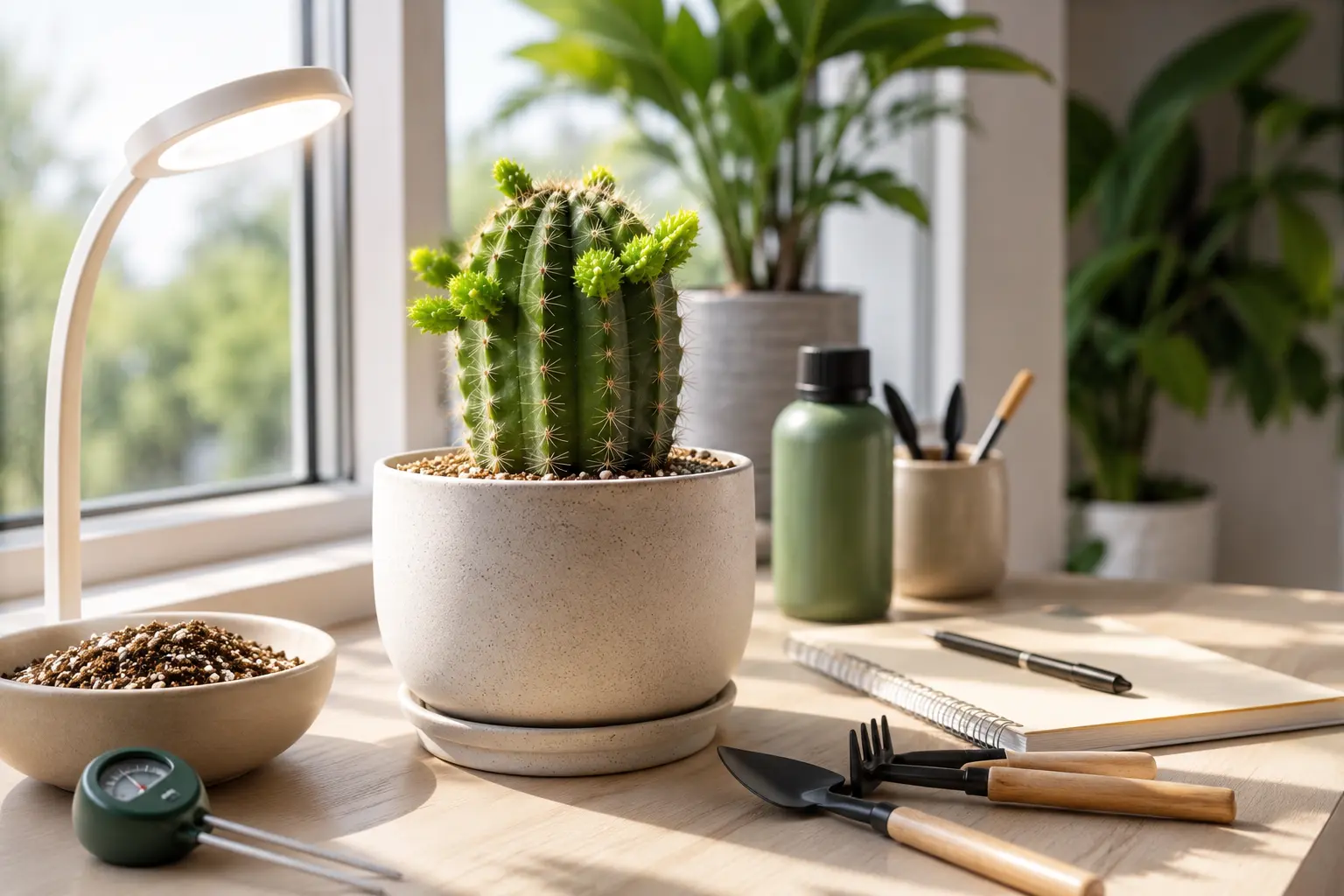
Before you start, prepare your tools. Clean tools help protect the cactus from bacteria and rot. You should also protect your hands from sharp spines.
- Thick gardening gloves or folded paper.
- A clean sharp knife or scissors.
- A small pot with drainage holes.
- Fresh dry cactus soil mix.
- Small gravel, perlite, or pumice for drainage.
- A clean tray or table surface.
Step 1: Choose a Healthy Cactus Cutting
Choose a healthy part of the cactus for propagation. The cutting should be firm, green, and free from soft spots, black marks, pests, or rot. A weak or damaged cutting may not root successfully.
For pad cactus plants, choose a healthy pad. For column cactus plants, choose a firm stem section. For branching cactus plants, choose a healthy branch that can be removed without damaging the main plant too much.
Step 2: Cut with a Clean Tool
Use a clean sharp knife or scissors to take the cutting. Make a clean cut instead of tearing or breaking the cactus. A clean cut heals better and reduces the risk of infection.
If the cactus has spines, use thick gloves, folded newspaper, cardboard, or a towel to hold it safely. Avoid touching the cactus directly with bare hands.
Step 3: Let the Cutting Callus
This is one of the most important steps. After cutting, do not plant the cactus immediately. Place the cutting in a dry, shaded, airy location and let the cut end dry. This healing process is called callusing.
Depending on the size of the cutting, callusing may take a few days to two weeks. Small cuttings dry faster, while thick cactus stems need more time. The cut end should feel dry and sealed before planting.
Important: Planting a fresh wet cutting too soon can cause rot. Always let the cut end dry before placing it in soil.
Step 4: Prepare Fast-Draining Cactus Soil
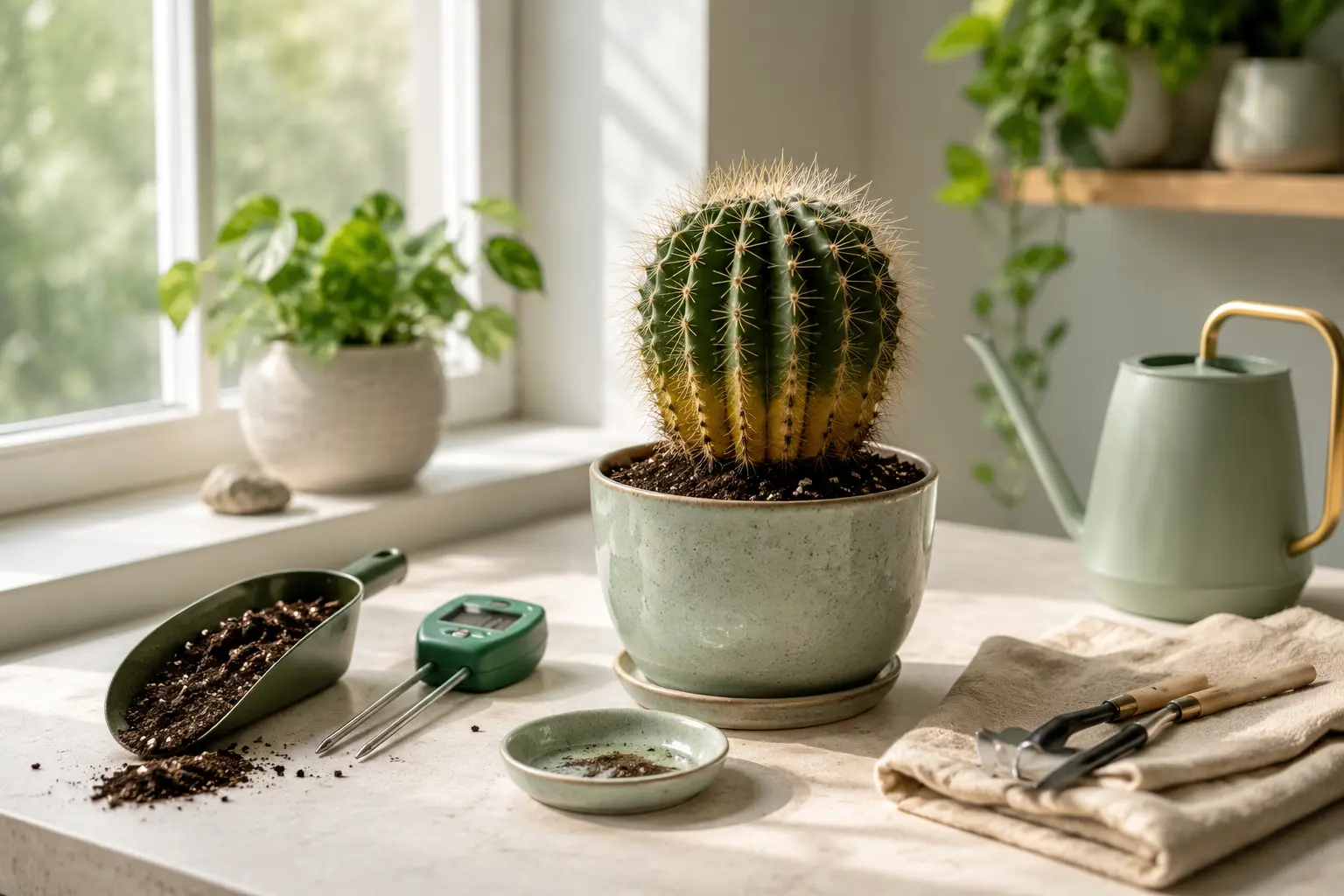
Cactus cuttings need soil that drains quickly. Regular potting soil may stay wet for too long and cause the cutting to rot before roots form. A cactus mix is safer because it dries faster and allows better airflow.
You can use a ready-made cactus soil mix or make your own by mixing potting soil with perlite, pumice, coarse sand, or small gravel. The soil should be dry when you plant the cutting.
Step 5: Plant the Cutting
Place the callused end of the cutting into dry cactus soil. The cutting does not need to be buried deeply. It only needs enough support to stand upright. For heavy cuttings, you can use small stones or a temporary support stake to keep it stable.
Do not press the soil too tightly. Keep the soil light and airy so new roots can grow. If the cutting is a cactus pad, place the lower end slightly into the soil and keep the pad upright.
Step 6: Wait Before Watering
After planting the cutting, do not water immediately. Since the cutting does not have roots yet, it cannot absorb water properly. Wet soil can cause rot before roots have time to form.
Wait at least several days before lightly watering. Some growers wait one to two weeks, especially for thicker cactus cuttings. The safer approach is to keep the soil mostly dry until roots begin developing.
Step 7: Place in Bright Indirect Light
Place the cactus cutting in bright indirect light while it is rooting. Avoid strong direct sunlight at first because the cutting may become stressed or sunburned before it has roots.
Once the cutting has rooted and starts growing, you can slowly introduce more sunlight depending on the cactus variety. Always increase light gradually to avoid sunburn.
How Long Do Cactus Cuttings Take to Root?
Cactus cuttings can take a few weeks to several months to root. The timing depends on the cactus type, cutting size, season, temperature, soil, and light conditions. Warm weather and bright light usually help roots form faster.
You can gently test the cutting after a few weeks. If it resists when you lightly move it, roots may be forming. Do not pull hard because new roots are delicate and can break easily.
When Should You Start Normal Watering?
Start normal watering only after the cutting has developed roots. Even then, water carefully. Give a light watering first, then allow the soil to dry completely before watering again.
Once the cactus is established, you can follow a regular cactus watering routine. Water deeply when the soil is fully dry, and never let the plant sit in standing water.
Can You Propagate a Broken Cactus Piece?
Yes, you can often propagate a broken cactus piece if it is still healthy. If a cactus pad or stem breaks off, check that the piece is firm and not rotten. Let the broken end dry and callus before planting it.
This is a useful way to save a cactus after accidental damage. Many broken cactus pieces can become new plants with patience and proper care.
Common Mistakes to Avoid
- Planting a fresh cutting before it calluses.
- Watering immediately after planting.
- Using heavy soil that stays wet too long.
- Keeping the cutting in harsh direct sun too soon.
- Using dirty cutting tools.
- Pulling the cutting to check roots too often.
- Using a pot without drainage holes.
Simple Propagation Checklist
- Choose a firm healthy cactus cutting.
- Use clean sharp tools.
- Let the cutting dry and callus.
- Plant in dry fast-draining cactus soil.
- Use a pot with drainage holes.
- Wait before watering.
- Keep in bright indirect light while rooting.
- Water carefully after roots form.
Final Thoughts
Propagating cactus from cuttings is a simple and rewarding way to grow new cactus plants. The key is to let the cutting callus before planting and avoid watering too soon. This helps prevent rot and gives the cutting a better chance to root.
Choose a healthy cutting, use clean tools, plant it in dry fast-draining soil, and keep it in bright indirect light. With patience and careful watering, your cactus cutting can grow roots and become a healthy new plant.