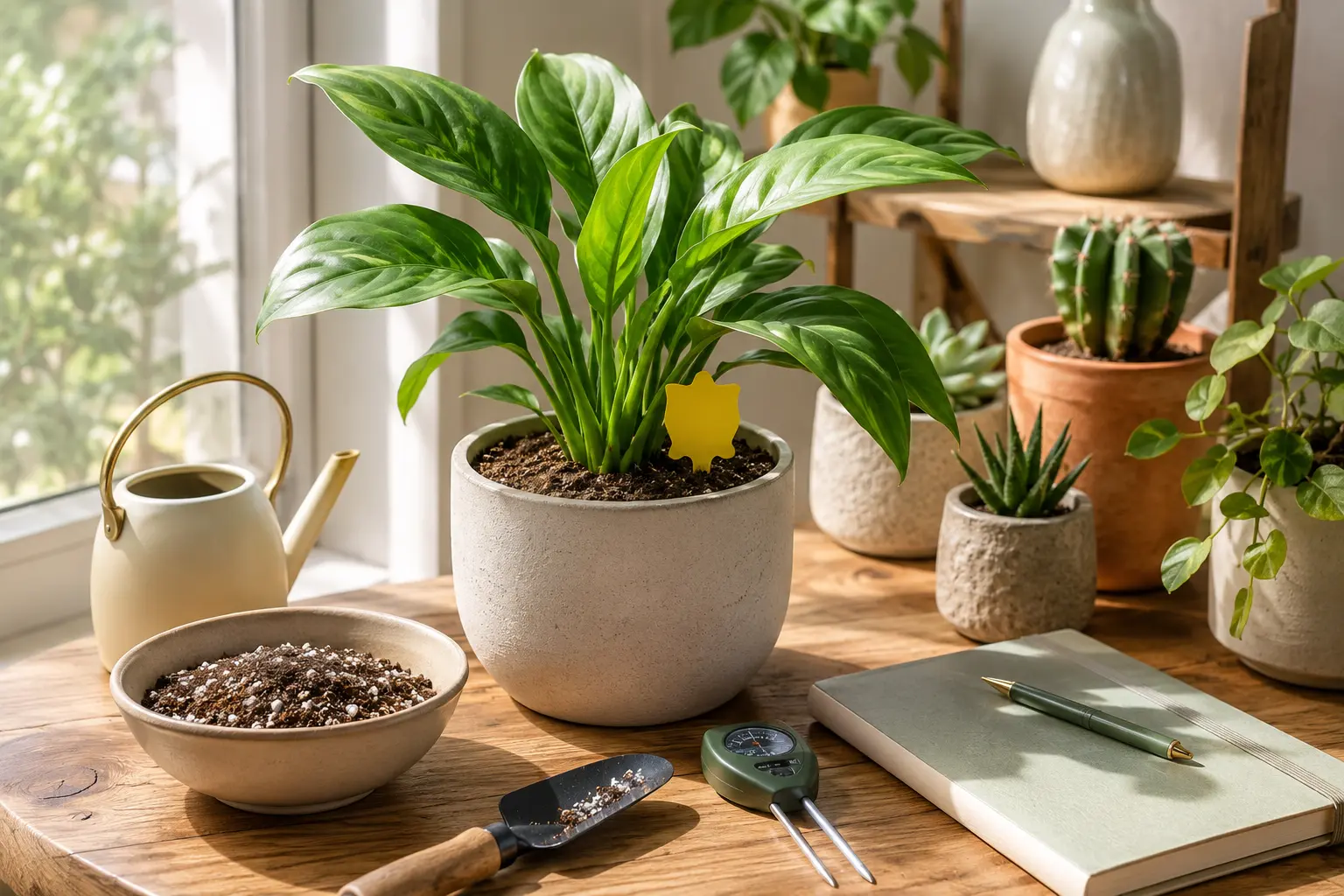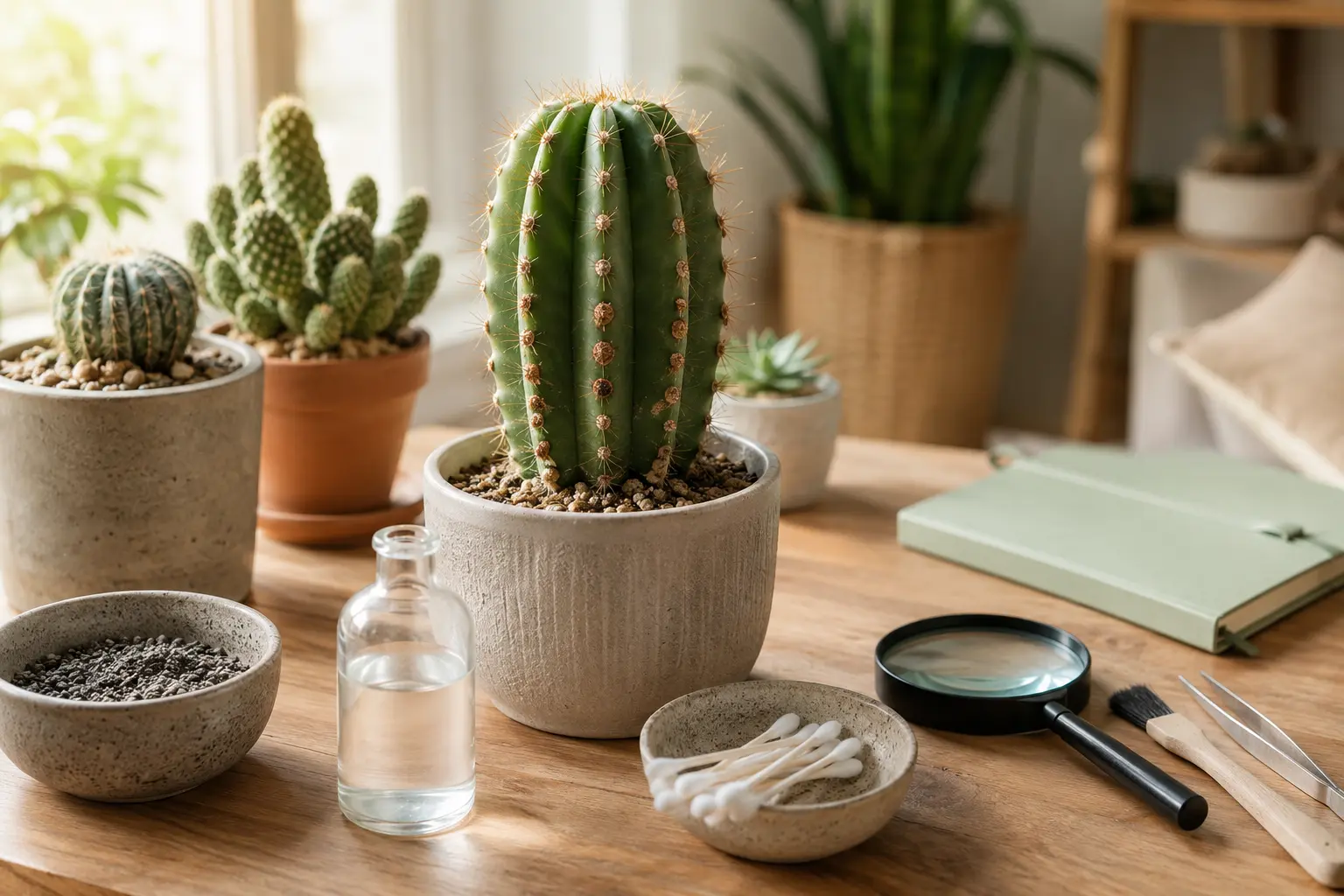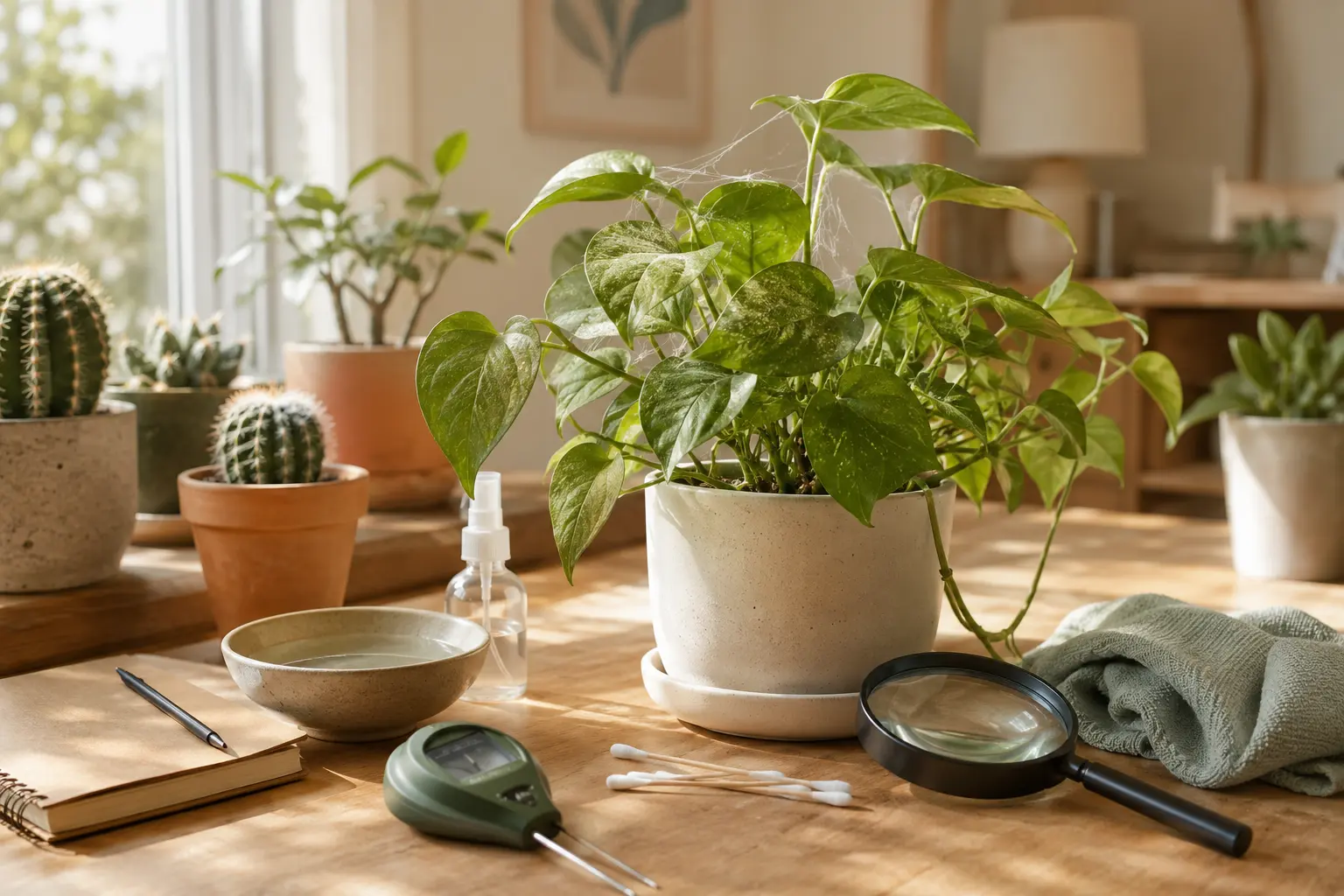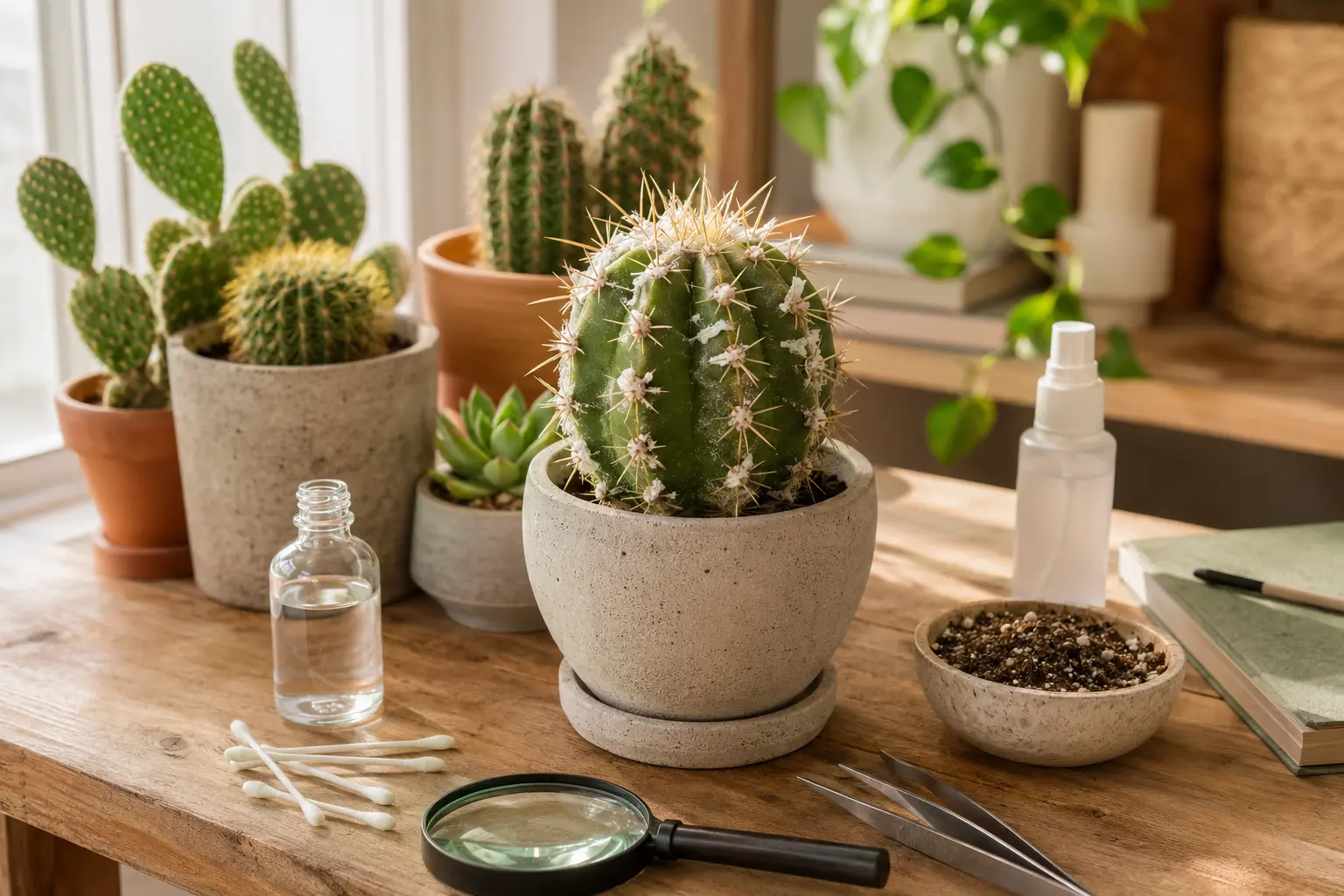
Houseplant diseases can cause yellow leaves, brown spots, root rot, mold, wilting, and weak growth. Learn the most common indoor plant diseases, how to identify them, and how to fix them safely.
Common Houseplant Diseases and How to Fix Them
Houseplants can look healthy one week and suddenly develop yellow leaves, brown spots, white powder, soft stems, moldy soil, or weak growth the next. Many indoor plant diseases are caused by too much moisture, poor airflow, low light, infected soil, or stressed roots.
Quick answer: The most common houseplant diseases include root rot, leaf spot, powdery mildew, stem rot, soil mold, rust, and fungal infections. Most can be improved by reducing water, improving airflow, removing infected parts, and using clean soil and tools.
1. Root Rot
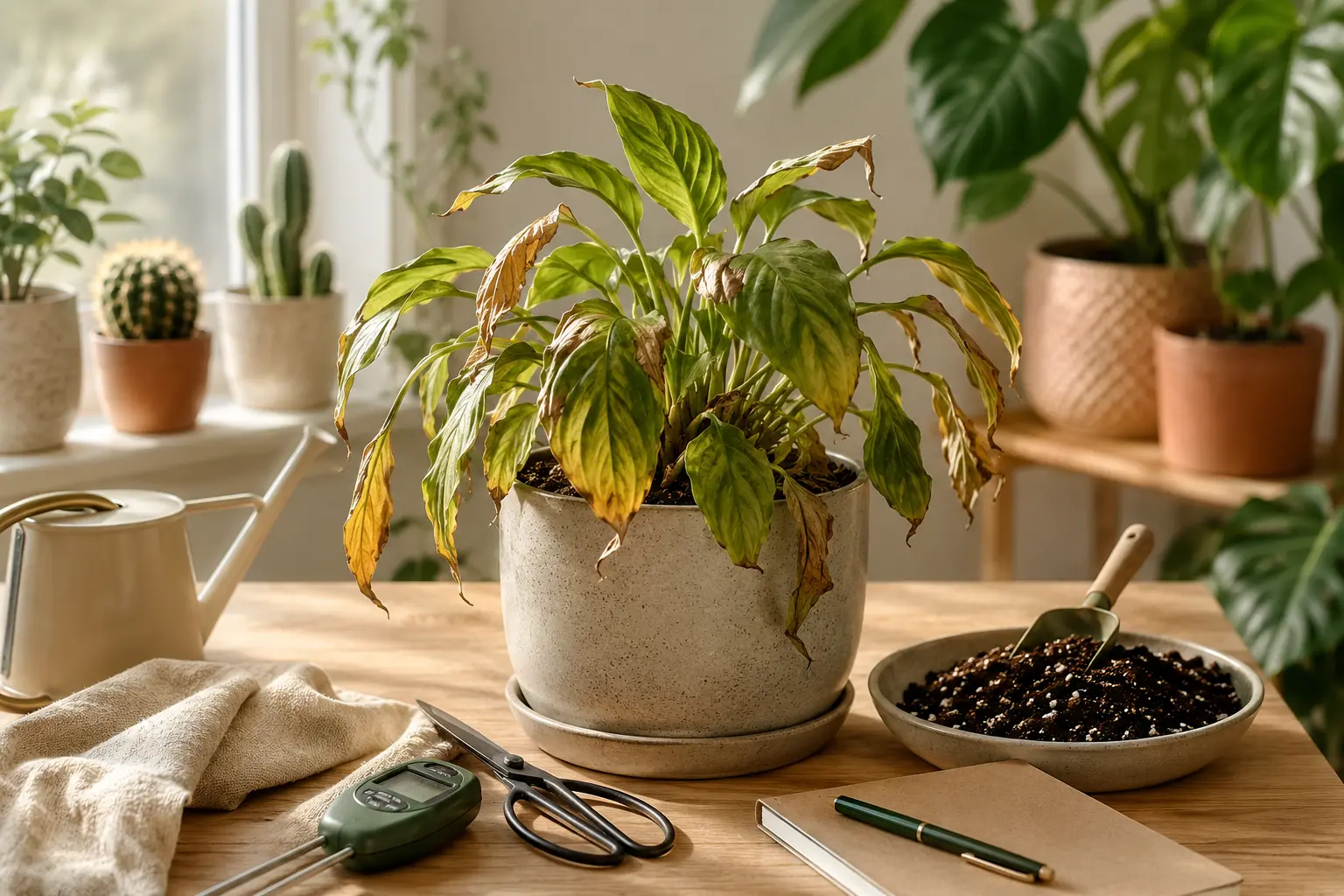
Root rot is one of the most common and serious houseplant diseases. It usually happens when the soil stays wet for too long and the roots do not get enough oxygen. Over time, the roots become soft, dark, weak, and unable to absorb water properly.
A plant with root rot may look thirsty even when the soil is wet. This happens because damaged roots cannot move water into the leaves and stems.
Signs of root rot:
- Yellowing leaves and weak growth.
- Wet soil that does not dry for many days.
- Soft, dark, or mushy roots.
- Bad smell coming from the soil.
- Wilting even after watering.
To fix root rot, remove the plant from the pot and inspect the roots. Cut away rotten roots with clean scissors, remove old wet soil, and repot the plant in fresh well-draining soil. Use a pot with drainage holes and water less often after repotting.
2. Leaf Spot Disease
Leaf spot disease appears as brown, black, yellow, or water-soaked spots on leaves. It can be caused by fungal or bacterial problems, especially when leaves stay wet or the plant has poor airflow.
Leaf spots often spread when infected leaves touch healthy leaves or when water splashes from one part of the plant to another.
How to fix leaf spot:
- Remove badly affected leaves with clean scissors.
- Avoid misting infected plants.
- Water the soil, not the leaves.
- Improve airflow around the plant.
- Keep infected plants away from healthy ones.
Care tip: Wet leaves and poor airflow make many plant diseases worse. Keep foliage dry whenever possible.
3. Powdery Mildew
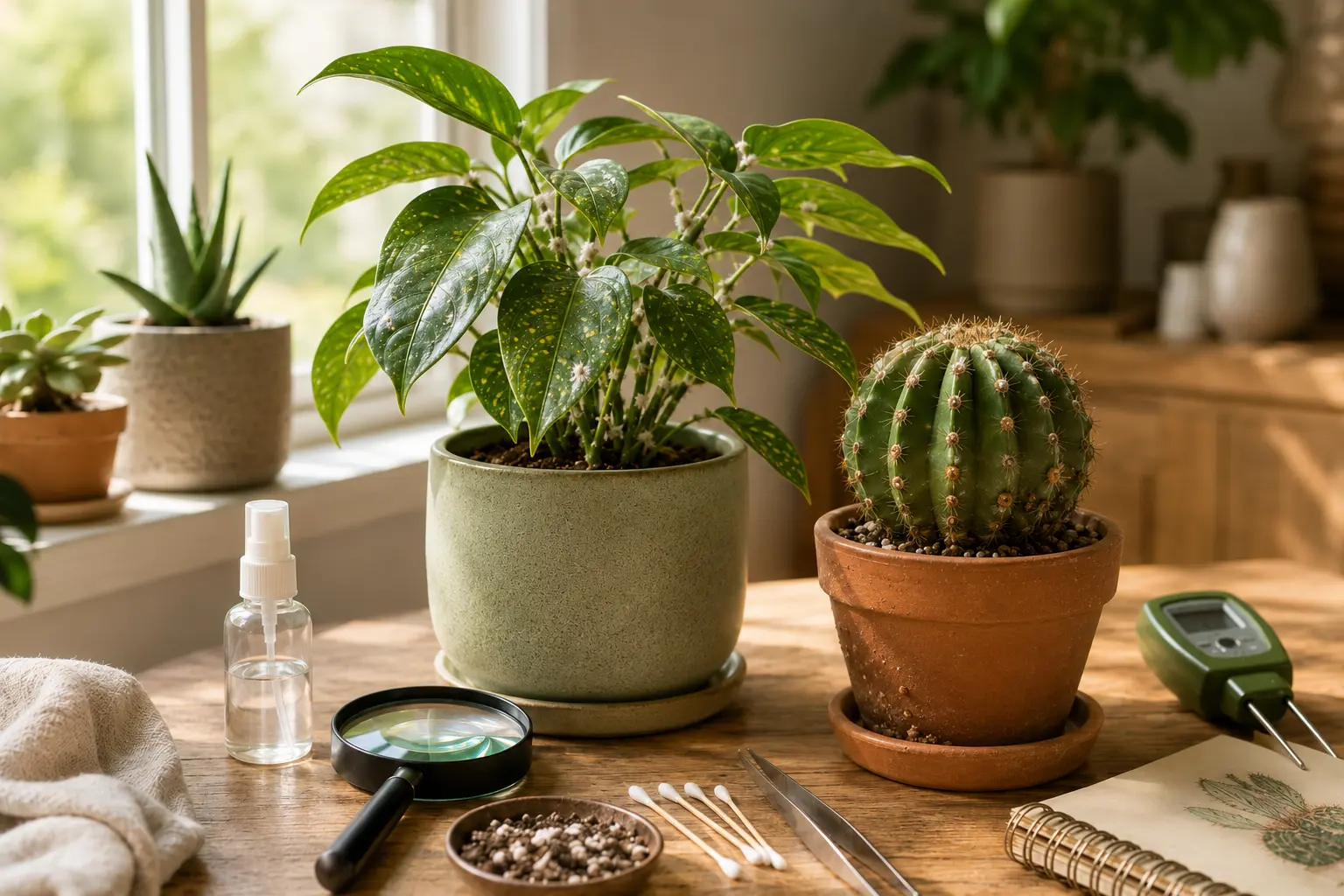
Powdery mildew looks like white or gray powder on leaves and stems. It often appears when there is poor airflow, crowded plants, high humidity, or inconsistent growing conditions.
Although powdery mildew may start as a small patch, it can spread across leaves if the plant is not treated. It can weaken the plant by reducing the leaf surface available for healthy growth.
How to fix powdery mildew:
- Move the plant away from other plants.
- Remove heavily infected leaves.
- Improve airflow around the plant.
- Avoid misting the leaves.
- Keep the plant in bright indirect light.
4. Stem Rot
Stem rot causes stems to become soft, dark, mushy, or collapsed. This disease is usually linked to overwatering, heavy soil, poor drainage, or water sitting around the base of the plant.
Stem rot can spread quickly, especially in soft-stemmed houseplants. If the base of the stem becomes black, wet, or weak, the plant needs attention immediately.
To fix stem rot, stop watering and remove any rotten stems. If the plant has healthy sections left, you may be able to propagate cuttings above the rotten area. Repot the remaining healthy plant in fresh, dry, well-draining soil.
5. Mold on Soil
White mold on the soil surface is common in indoor plants. It often appears when the soil stays moist, airflow is low, or organic material is breaking down on the top of the pot.
Soil mold is often less dangerous than root rot, but it is a sign that your plant care routine may be too wet. If ignored, the same conditions can attract fungus gnats and root problems.
How to fix mold on soil:
- Remove the moldy top layer of soil.
- Let the topsoil dry before watering again.
- Increase airflow around the plant.
- Remove dead leaves from the pot surface.
- Repot if the soil smells bad or stays wet too long.
6. Rust Disease
Rust disease appears as orange, brown, or rusty-colored spots on leaves. It is more common when plants are kept in humid conditions with poor airflow.
Rust spots may begin small but can spread if infected leaves are left on the plant. The affected leaves may eventually yellow, weaken, or drop.
To manage rust, remove infected leaves, avoid wetting the foliage, and improve airflow. Keep the plant away from others while you monitor it for new spots.
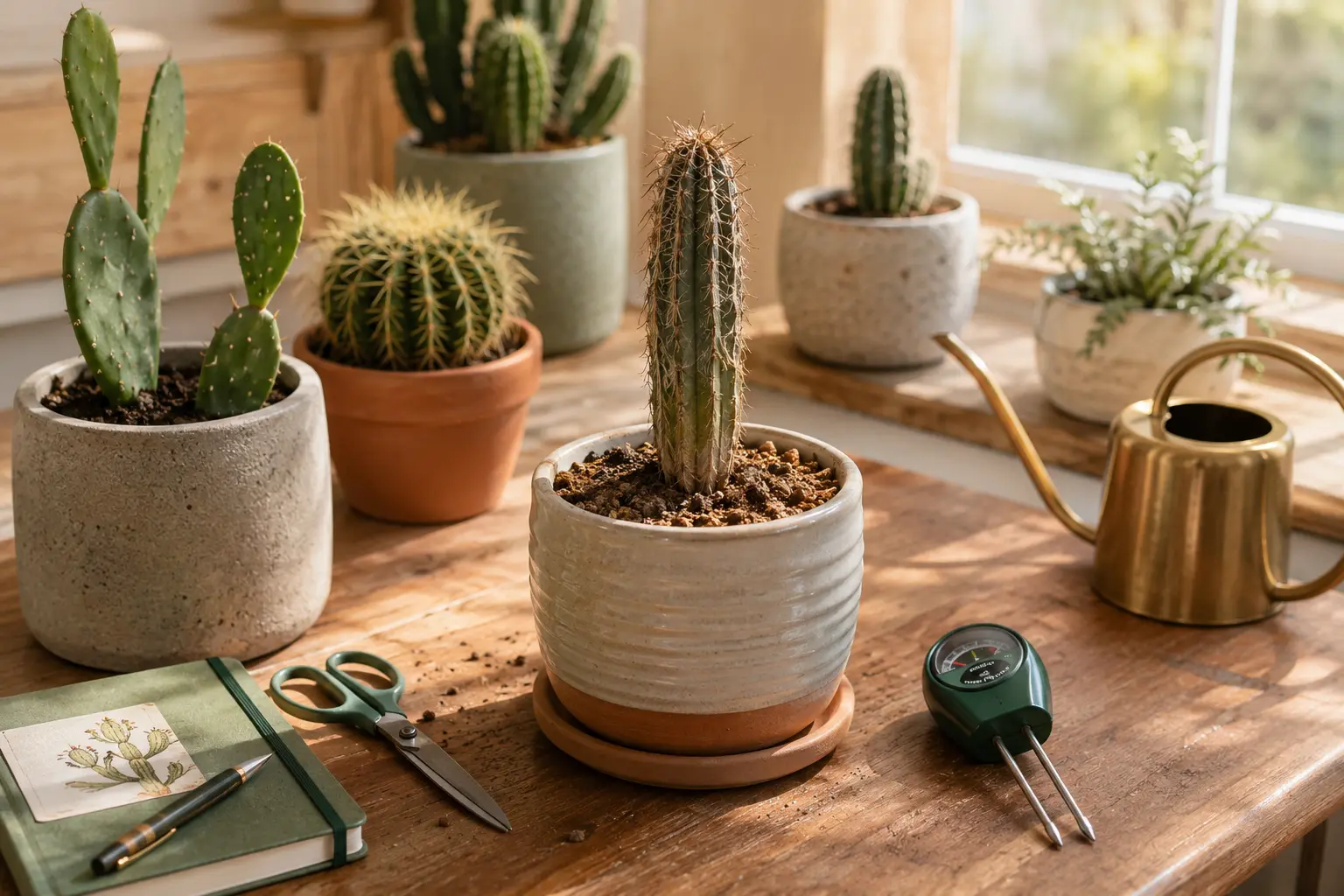
7. Fungal Problems on Cactus and Succulents
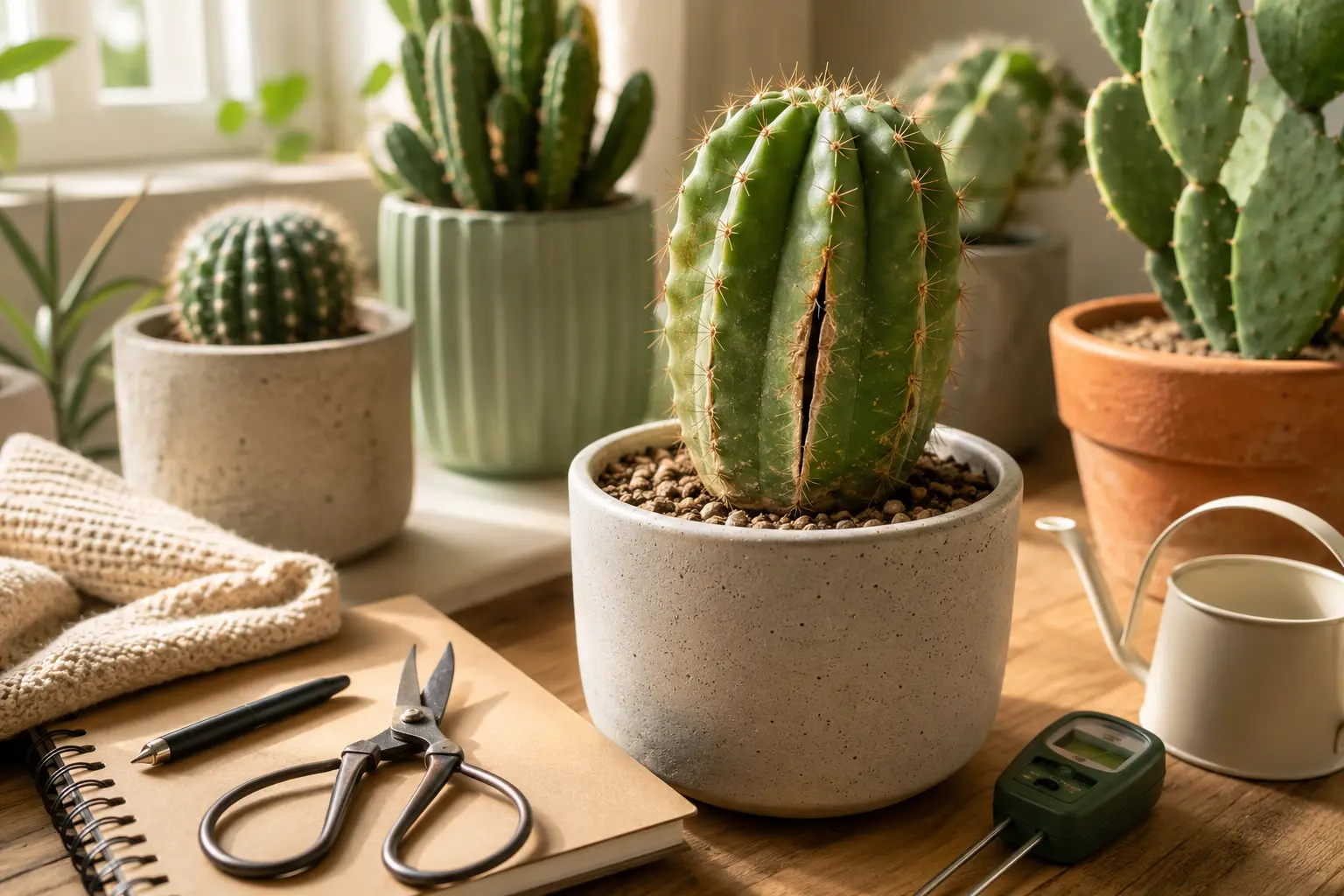
Cactus and succulents can also develop fungal issues, especially when they are overwatered or kept in humid rooms. Signs may include black spots, brown patches, soft areas, or white fuzzy growth on soil.
These plants need fast-draining soil and long drying periods between waterings. If a cactus or succulent develops soft spots, stop watering immediately and inspect the roots and base.
Common Houseplant Diseases Chart
| Disease | Common Signs | Main Fix |
|---|---|---|
| Root rot | Yellow leaves, wet soil, mushy roots | Remove rotten roots and repot in fresh soil. |
| Leaf spot | Brown, black, or yellow leaf spots | Remove affected leaves and keep foliage dry. |
| Powdery mildew | White powder on leaves or stems | Improve airflow and remove infected leaves. |
| Stem rot | Soft, dark, collapsing stems | Cut away rot and reduce watering. |
| Soil mold | White fuzzy layer on topsoil | Remove mold, dry topsoil, improve airflow. |
How to Fix Houseplant Diseases Step by Step
- Identify the symptoms. Look at leaves, stems, roots, and soil.
- Isolate the plant. Keep it away from healthy plants if disease may spread.
- Remove infected parts. Use clean scissors and discard damaged leaves or stems.
- Check the soil moisture. Wet soil is a common cause of disease.
- Improve airflow. Avoid overcrowding plants together.
- Adjust watering. Water only when the plant actually needs it.
- Repot if needed. Use fresh soil and a clean pot if roots or soil are unhealthy.
How to Prevent Houseplant Diseases
- Use pots with drainage holes.
- Water based on soil dryness, not a fixed schedule.
- Keep leaves dry when watering.
- Remove dead leaves and old flowers from pots.
- Clean scissors before pruning plants.
- Give plants enough light for healthy growth.
- Improve airflow around crowded plants.
- Use fresh, well-draining soil when repotting.
When Should You Throw Away a Diseased Plant?
Most houseplant diseases can be improved if caught early. However, if the plant is completely rotten, smells bad, has no healthy roots, or continues spreading disease to nearby plants, it may be safer to discard it.
If you throw away a diseased plant, clean the pot thoroughly before reusing it. Do not reuse infected soil for healthy houseplants.
Final Thoughts
Common houseplant diseases usually begin with moisture problems, poor airflow, or stressed roots. Yellow leaves, brown spots, white powder, moldy soil, and soft stems are all signs that your plant needs closer attention.
The best treatment is early action: isolate the plant, remove damaged parts, adjust watering, improve airflow, and repot if necessary. With the right care, many indoor plants can recover and return to healthy growth.