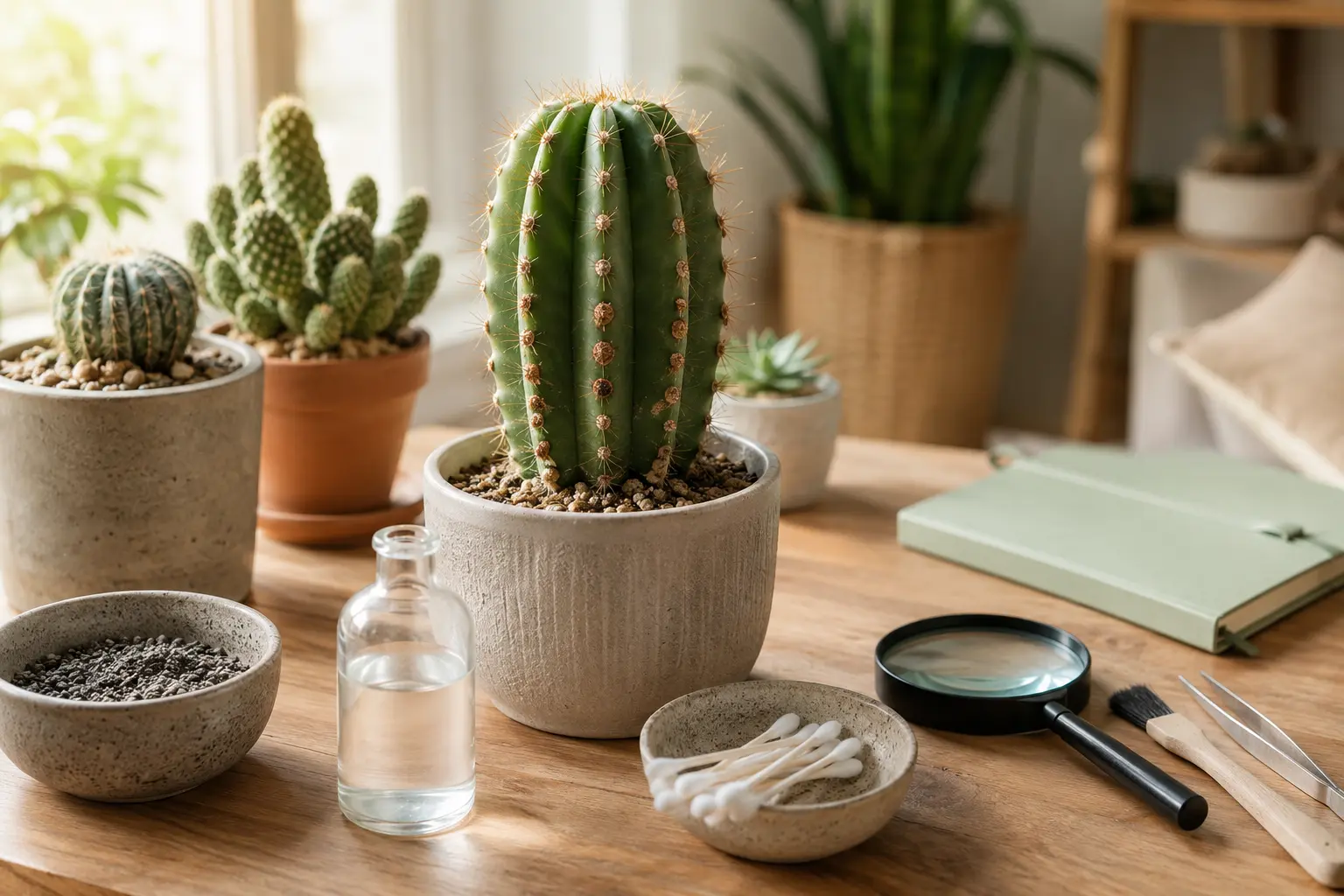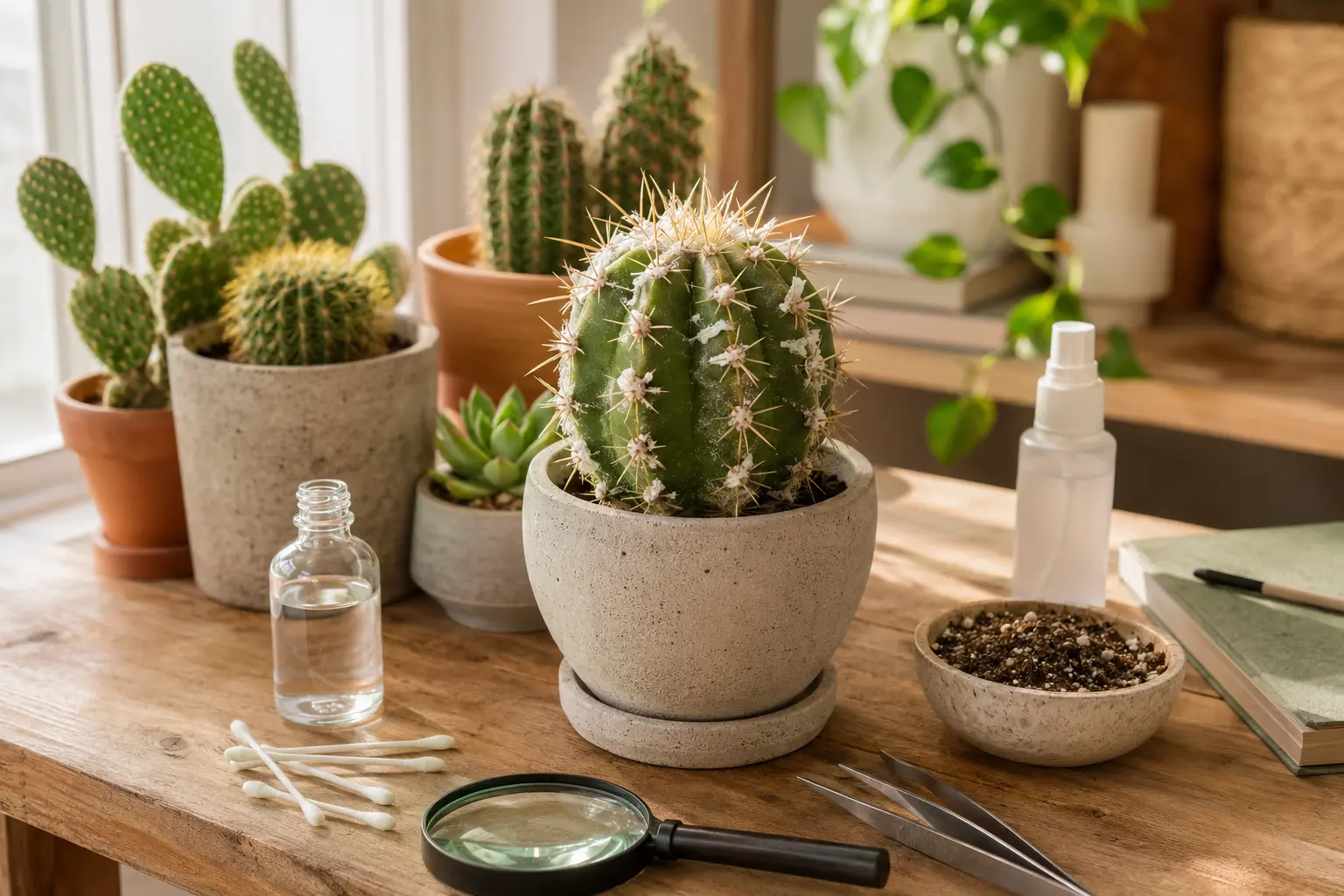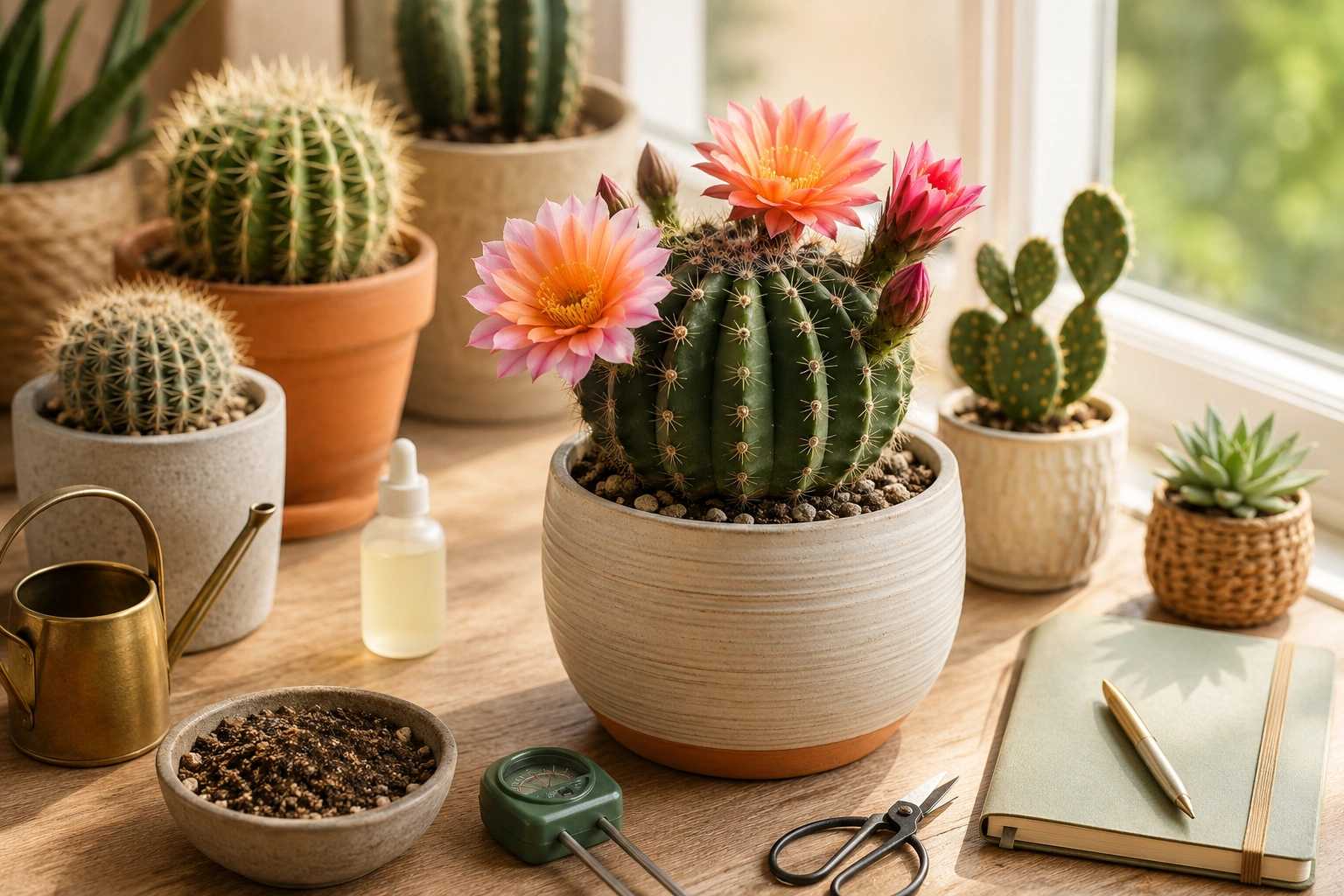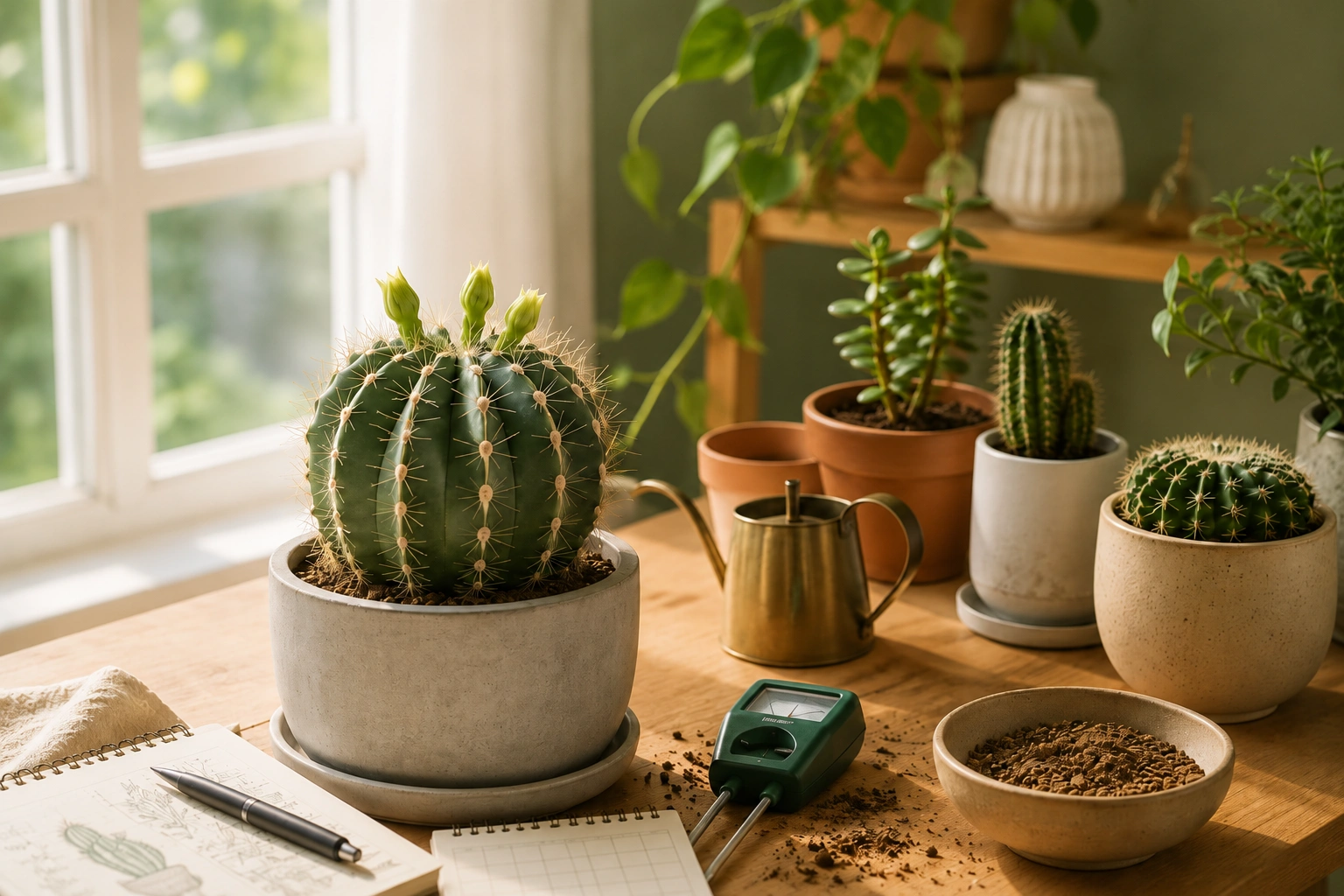
A cactus may not flower because it is too young, lacks enough light, does not get a winter rest period, receives too much water, or needs better growing conditions. Learn how to help your cactus bloom naturally.
Why Is My Cactus Not Flowering? Causes and How to Encourage Blooms
A cactus that refuses to flower can be frustrating, especially when the plant looks healthy but never produces blooms. In most cases, a cactus does not flower because it is not receiving the right balance of light, rest, temperature, water, and maturity.
Quick answer: Your cactus may not be flowering because it is too young, does not get enough sunlight, has no winter dormancy period, receives too much water or fertilizer, or is growing in poor conditions.
1. Your Cactus May Be Too Young
Many cactus plants need time before they are mature enough to flower. Some small cactus varieties can bloom when they are still young, while larger columnar cactus plants may take many years before producing their first flowers.
If your cactus is healthy, firm, green, and growing slowly, it may simply not be ready yet. Patience is important because cactus plants often grow at a slower pace than many other houseplants.
2. Not Enough Bright Light
Light is one of the most important factors for cactus flowering. A cactus may survive in low or medium indoor light, but it usually needs strong bright light to produce flowers. Without enough light, the plant may stay alive but never bloom.
Place your cactus near a bright window, ideally one that receives several hours of sunlight. If the cactus has been kept in a darker room, move it gradually into brighter light to avoid sunburn.
Signs your cactus needs more light:
- The cactus grows tall and thin.
- The plant leans toward the window.
- New growth looks pale or weak.
- The cactus looks healthy but never flowers.
3. No Winter Rest Period
Many cactus plants need a cool, dry rest period in winter before they bloom. This dormant period tells the plant to slow down and prepare for flowering when warmer, brighter conditions return.
If your cactus stays warm, watered, and actively growing all year, it may skip flowering. During winter, reduce watering and keep the cactus in a bright but cooler location if possible.
Care tip: A dry winter rest can help many cactus plants bloom in spring or summer. Do not fertilize during this rest period.
4. Too Much Water
Overwatering can stop a cactus from flowering because the plant becomes stressed and its roots may weaken. Cactus plants prefer a cycle of deep watering followed by complete drying.
If the soil stays wet for too long, the cactus may focus on survival instead of blooming. In worse cases, the roots may begin to rot, which can prevent flowers completely.
Better watering habits for blooms:
- Water only when the soil is completely dry.
- Use a pot with drainage holes.
- Avoid watering on a fixed weekly schedule.
- Reduce watering during winter dormancy.
5. Too Much Fertilizer
Fertilizer can support cactus growth, but too much fertilizer can encourage soft green growth instead of flowers. A cactus does not need heavy feeding like many leafy houseplants.
Use a diluted cactus fertilizer during the active growing season only. Avoid fertilizing in winter, and do not overfeed a cactus that is already healthy.
6. Poor Soil or Pot Problems
A cactus needs fast-draining soil to stay healthy and eventually flower. Heavy soil holds moisture around the roots and can cause long-term stress.
Choose a cactus mix with ingredients like pumice, perlite, coarse sand, or small gravel. The pot should have drainage holes so extra water can escape quickly.
7. The Cactus Variety May Not Bloom Easily Indoors
Some cactus varieties bloom more easily indoors than others. Mammillaria, Rebutia, Gymnocalycium, and Easter cactus types are often more likely to flower in home conditions. Large desert cactus types may need stronger light, more age, or outdoor conditions before blooming.
If flowering is your main goal, choose cactus varieties known for indoor blooms. This makes success much easier, especially for beginners.
How to Encourage a Cactus to Flower
| Care Factor | What Your Cactus Needs | Why It Helps |
|---|---|---|
| Light | Bright light or several hours of sun | Gives energy for bud and flower production. |
| Winter rest | Cooler, drier conditions | Helps trigger blooming after dormancy. |
| Watering | Water deeply, then let soil dry fully | Prevents root stress and rot. |
| Soil | Fast-draining cactus mix | Keeps roots healthy and oxygenated. |
| Fertilizer | Light feeding during growing season | Supports blooms without overfeeding. |
Step-by-Step Blooming Routine
- Move the cactus to brighter light. Increase sun exposure gradually.
- Use proper cactus soil. Repot if the current soil stays wet too long.
- Water correctly. Soak the soil, then let it dry completely.
- Create a winter rest period. Keep the cactus cooler and much drier in winter.
- Feed lightly in spring and summer. Use diluted cactus fertilizer only during active growth.
- Be patient. Some cactus plants need months or years before they bloom.
Should You Force a Cactus to Bloom?
It is better to encourage flowering naturally instead of trying to force blooms with too much fertilizer or sudden stress. A healthy cactus blooms when it has enough maturity, light, rest, and stable care.
If your cactus is weak, wrinkled, rotting, or recently repotted, focus on recovery first. Flowering takes energy, so the plant should be healthy before it produces buds.
Final Thoughts
A cactus that is not flowering usually needs better light, a dry winter rest, correct watering, or more time to mature. In many cases, the plant is not unhealthy; it simply has not received the right seasonal signals to bloom.
Give your cactus bright light, fast-draining soil, careful watering, and a cooler dry rest in winter. With patience and consistent care, many cactus plants can reward you with beautiful flowers.