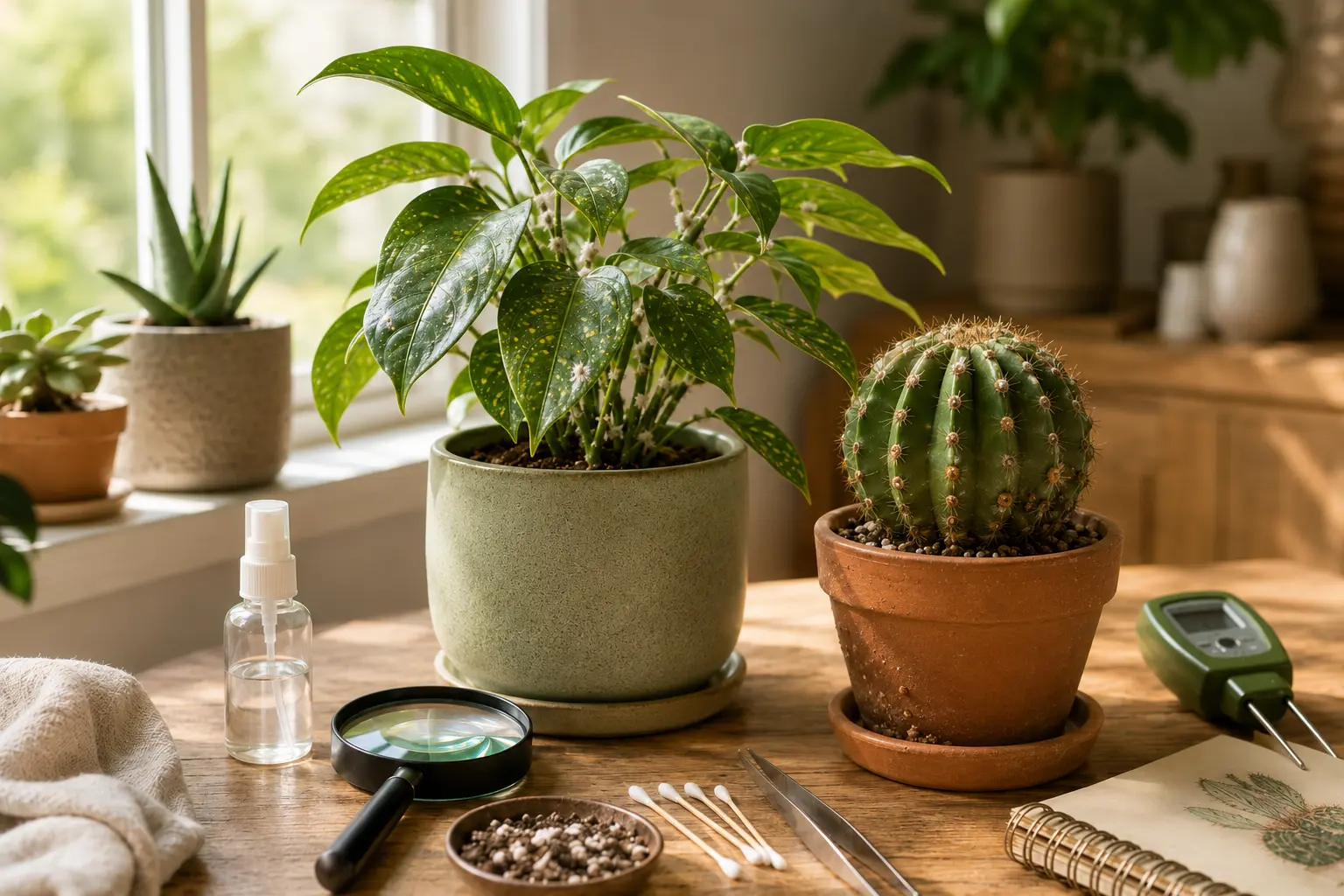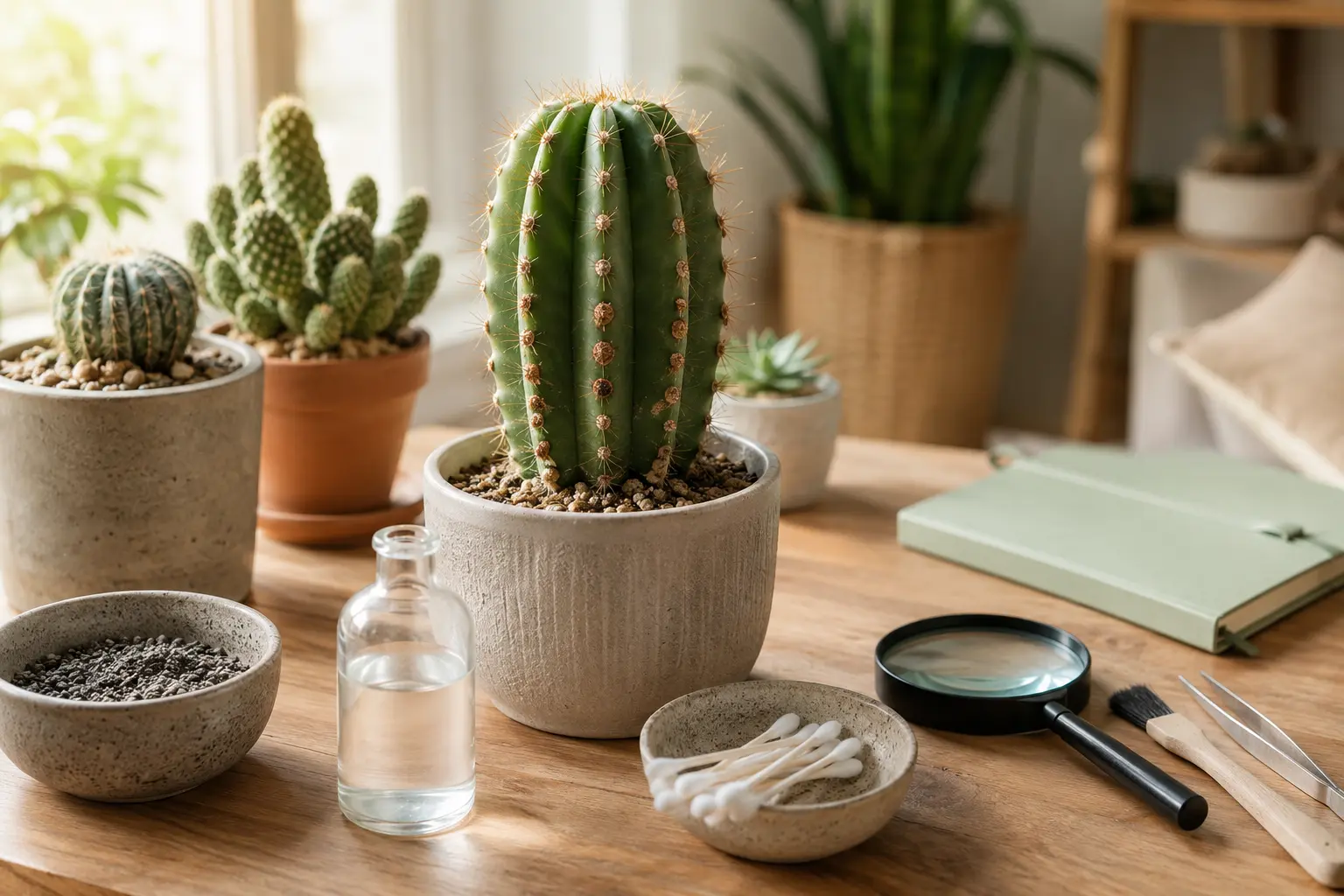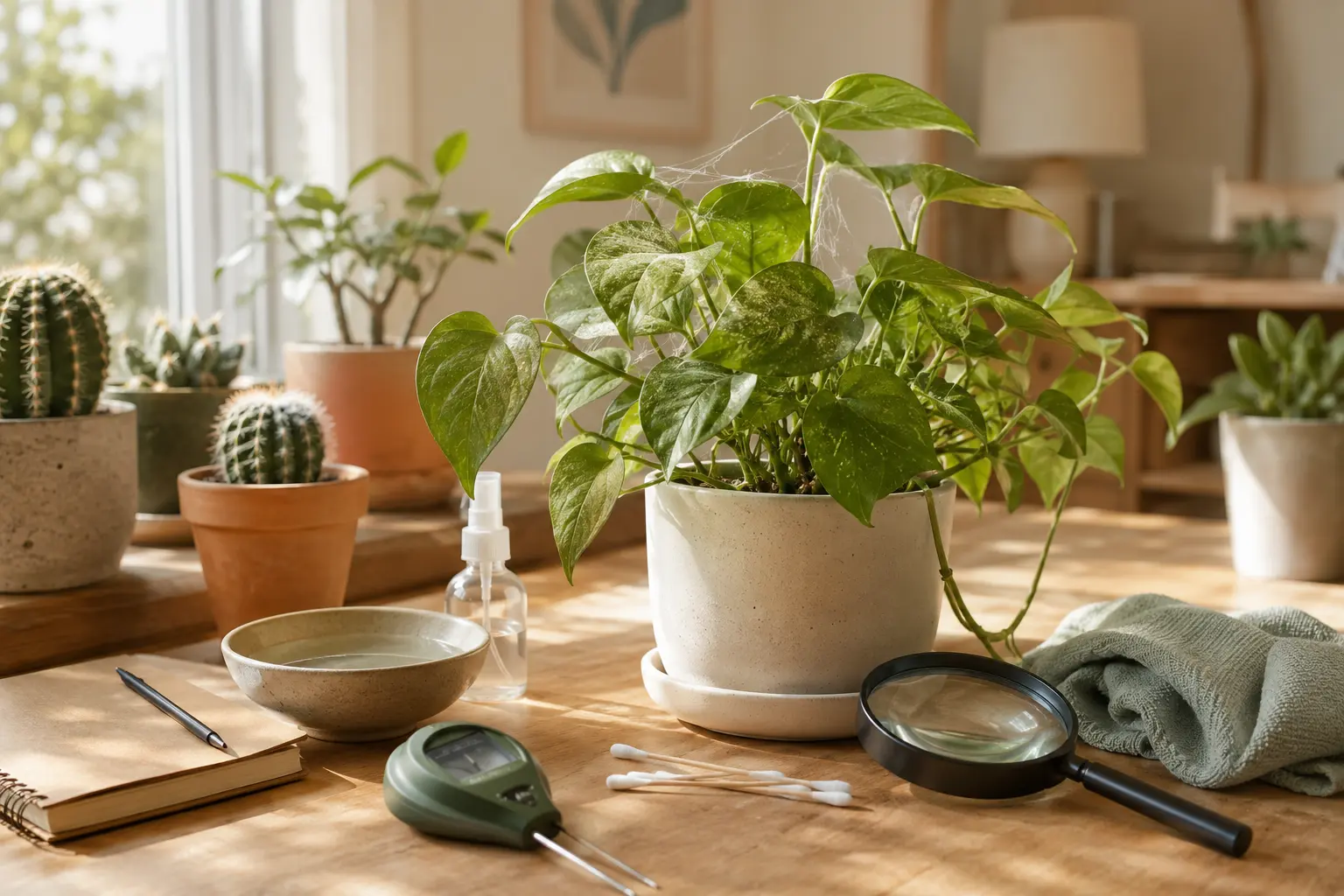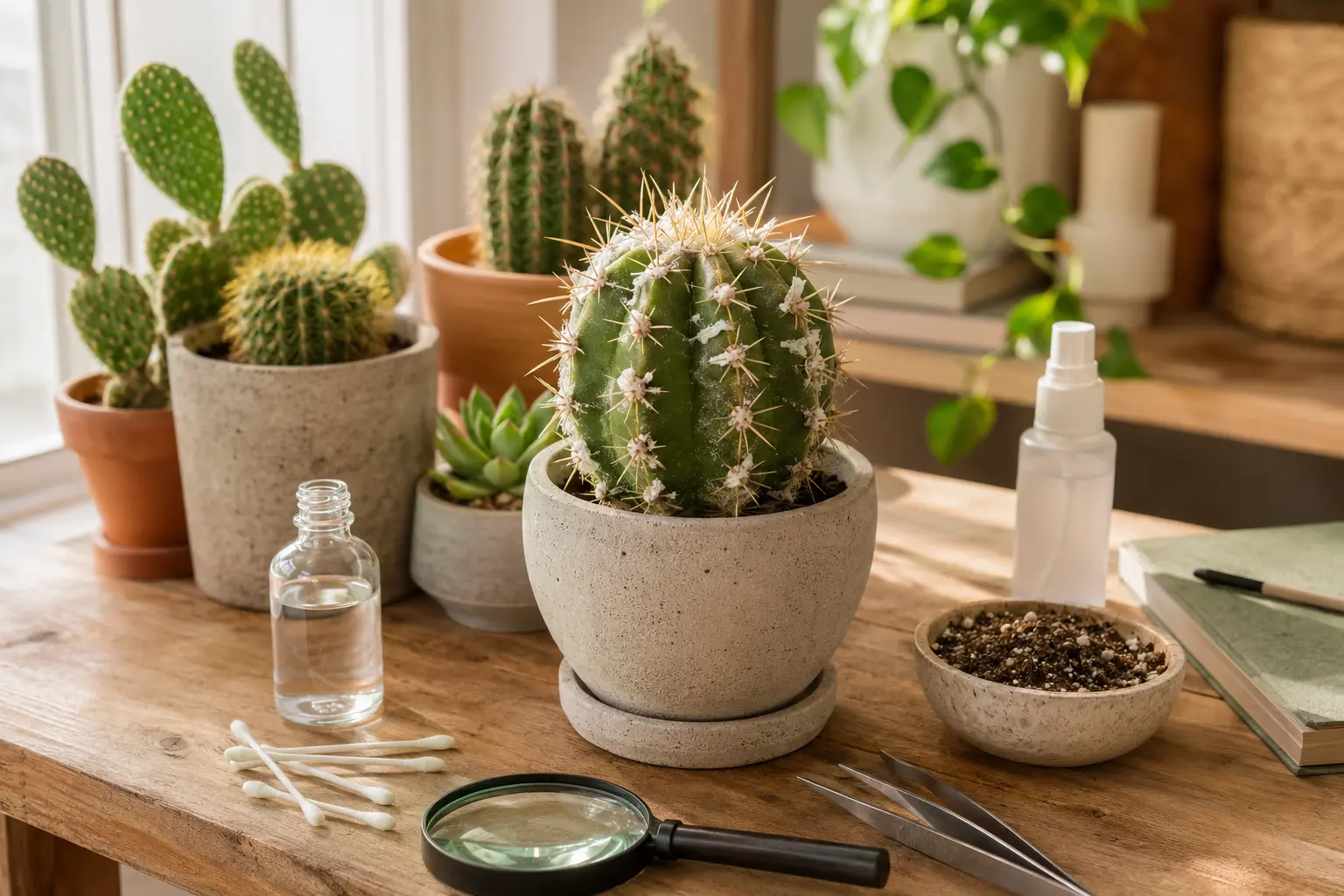
Fungus gnats are tiny flying insects that often appear around moist houseplant soil. Learn how to prevent fungus gnats with better watering habits, dry soil surfaces, drainage, airflow, and clean plant care routines.
How to Prevent Fungus Gnats in Houseplants: Simple Indoor Plant Care Guide
Fungus gnats are tiny flying insects that often appear around indoor plants when the soil stays too wet for too long. They are usually more annoying than dangerous, but a large infestation can stress young plants and make your plant corner feel messy.
Quick answer: To prevent fungus gnats in houseplants, avoid overwatering, let the top layer of soil dry, use pots with drainage holes, remove decaying plant debris, improve airflow, and inspect new plants before bringing them indoors.
What Are Fungus Gnats?
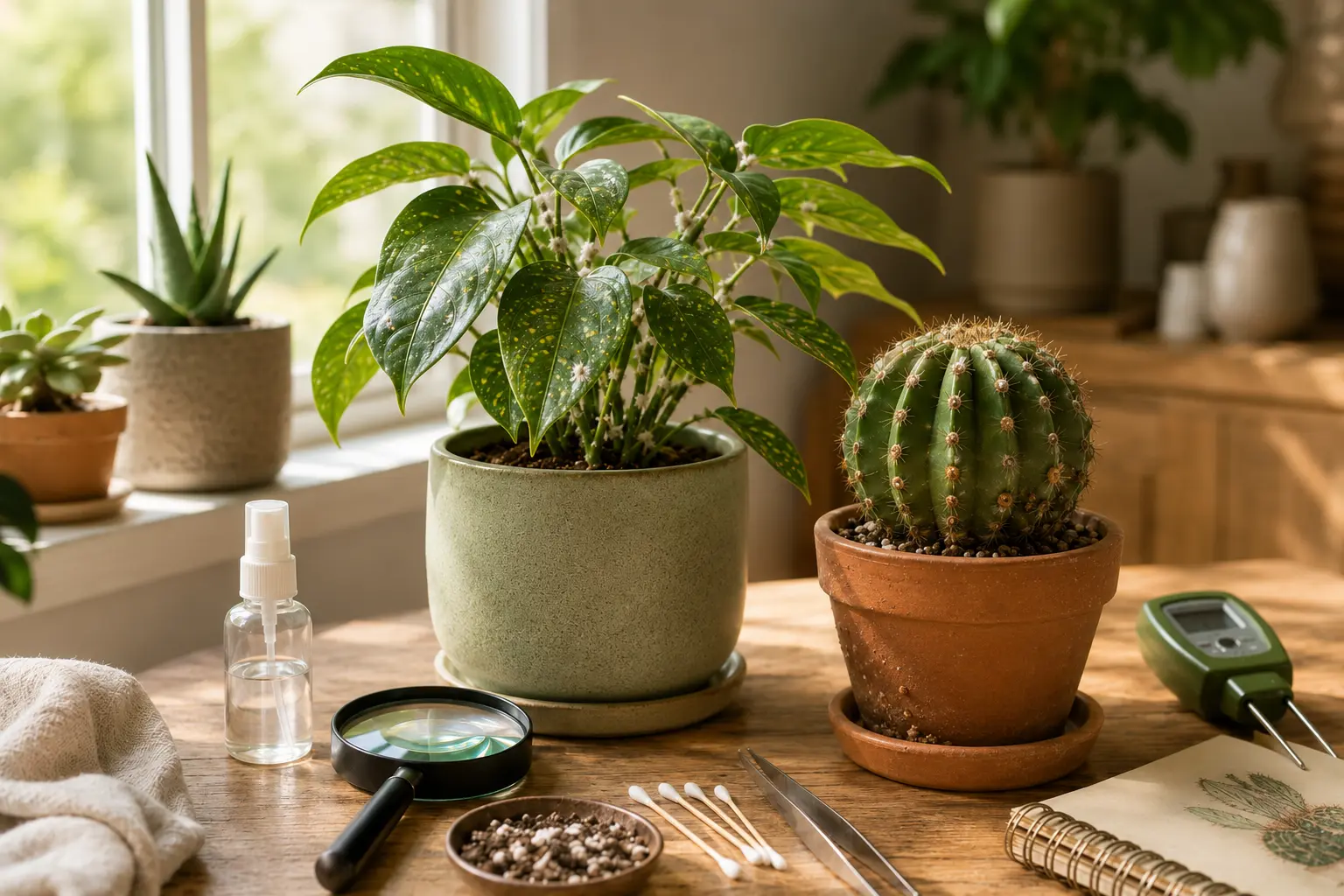
Fungus gnats are small dark flies that often hover around houseplant soil. Adult gnats fly near the pot, but the real problem usually begins in the soil. Their larvae live in moist organic matter and feed on fungus, decaying material, and sometimes delicate young roots.
Fungus gnats love damp soil, poor drainage, and old plant debris. If your houseplants are watered too often, the soil can become the perfect place for them to multiply.
Common signs of fungus gnats:
- Tiny dark flies around plant pots.
- Small insects flying when you water or move the plant.
- Gnats resting on the soil surface.
- Moist soil that stays wet for many days.
- Weak seedlings or young plants in severe cases.
1. Avoid Overwatering
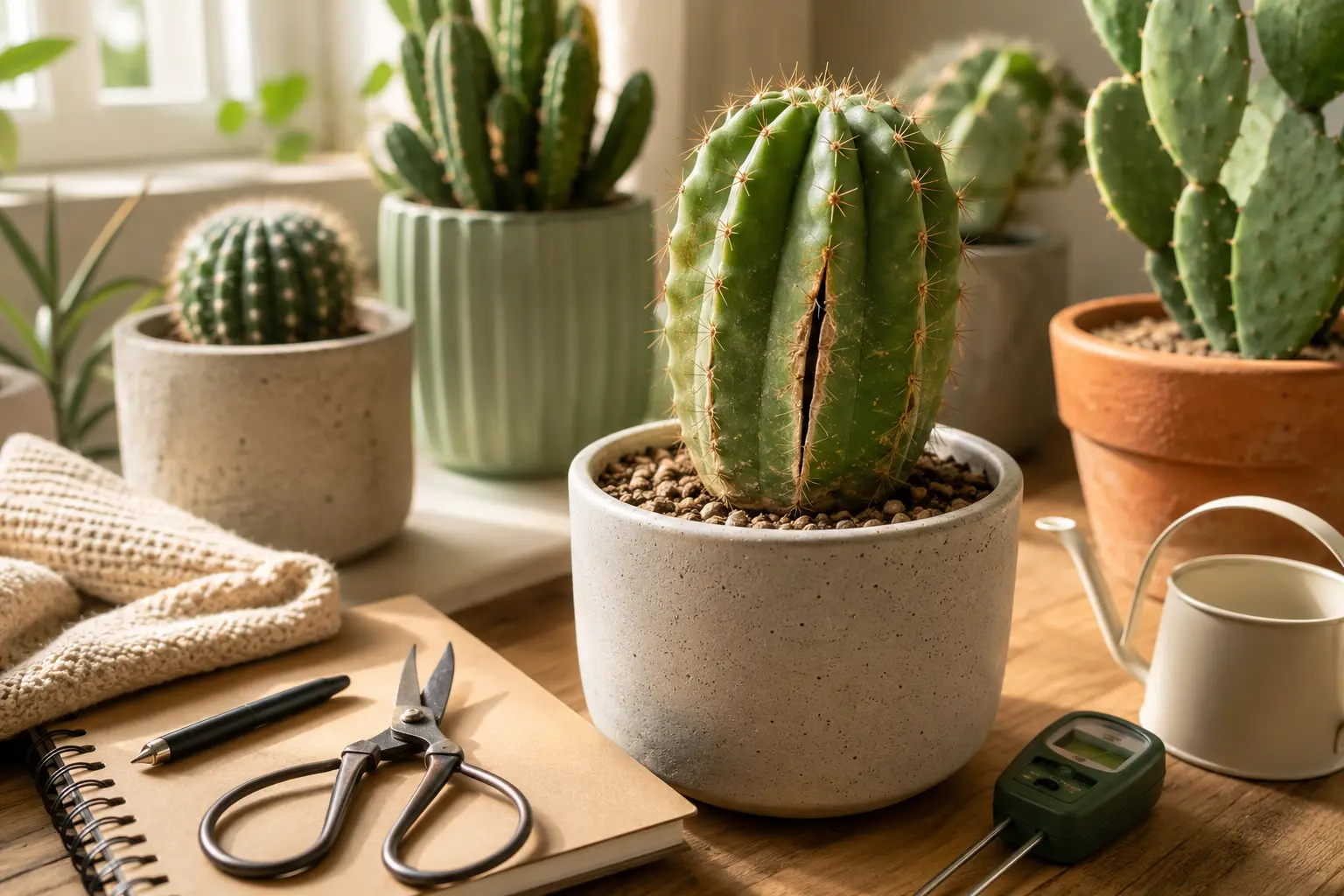
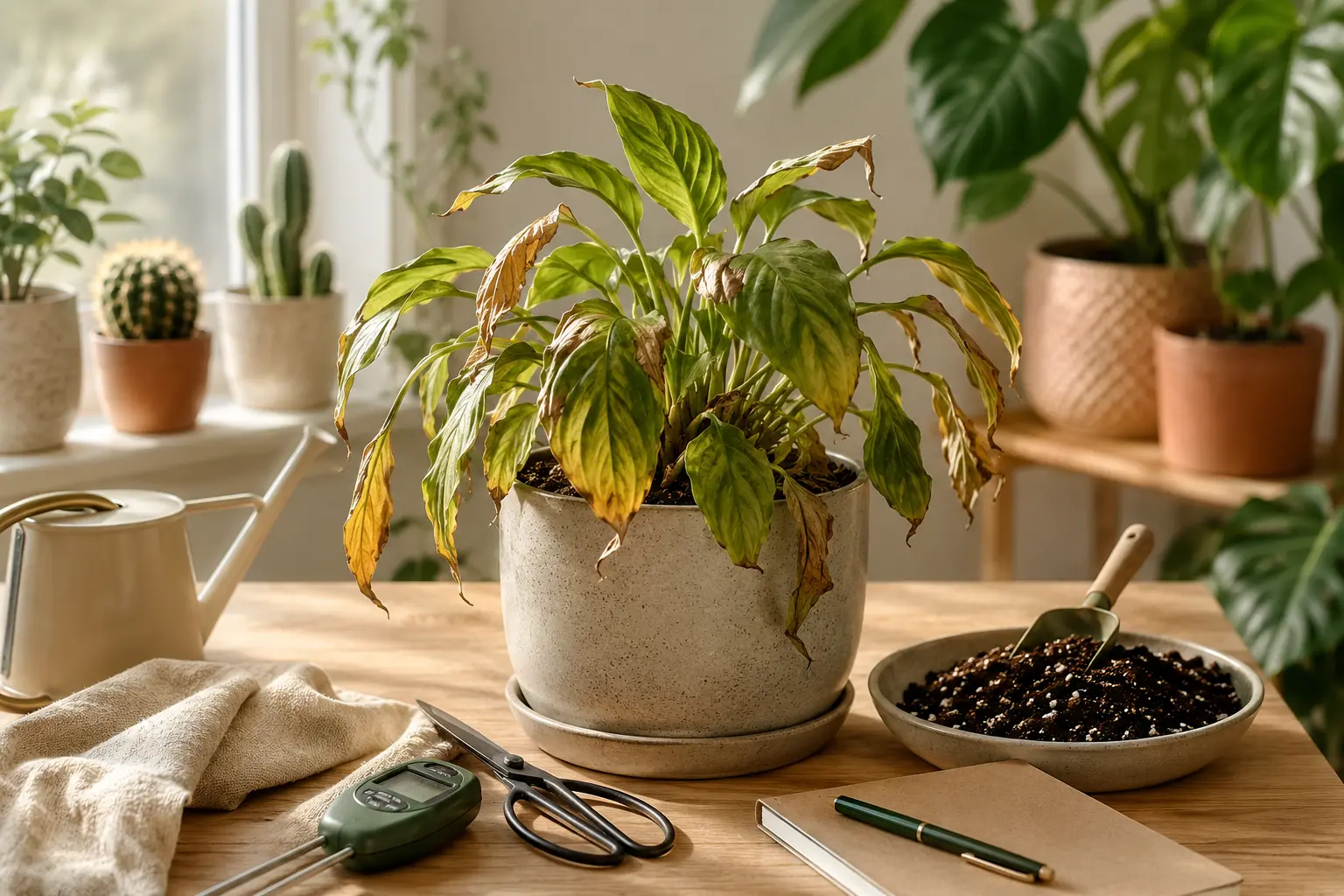
Overwatering is the biggest reason fungus gnats appear in houseplants. When soil stays constantly damp, fungus and organic matter build up, creating a perfect environment for gnat larvae.
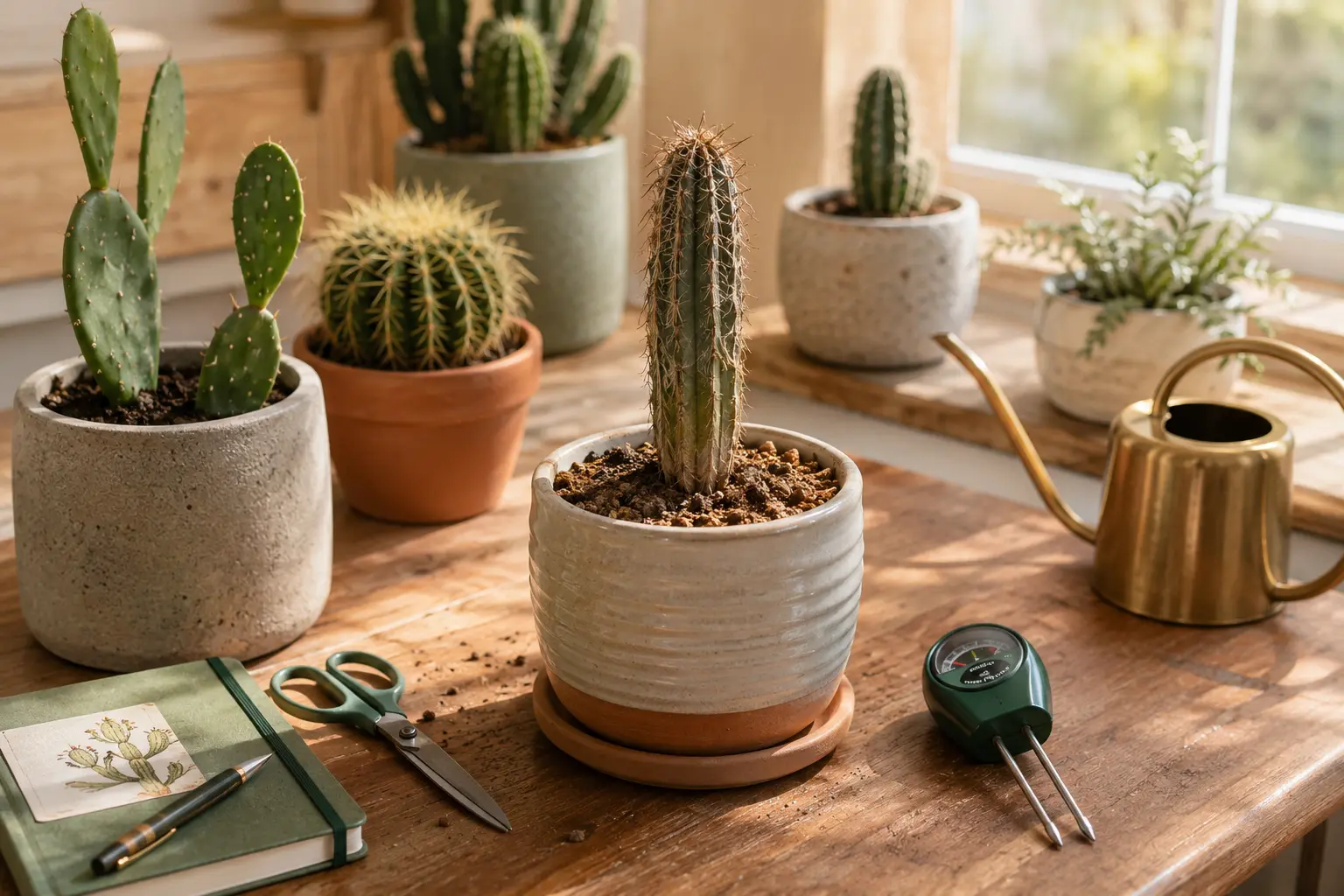
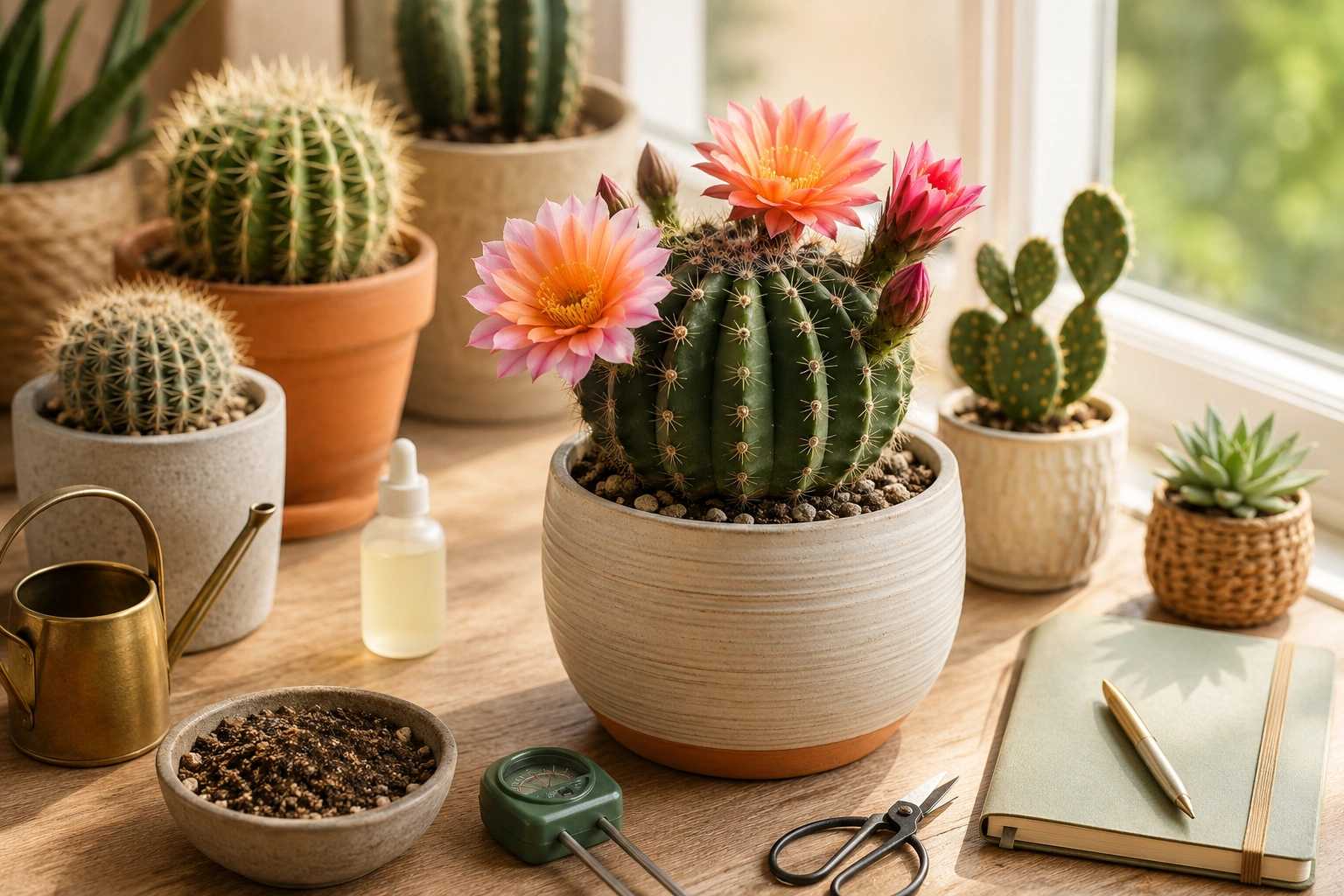
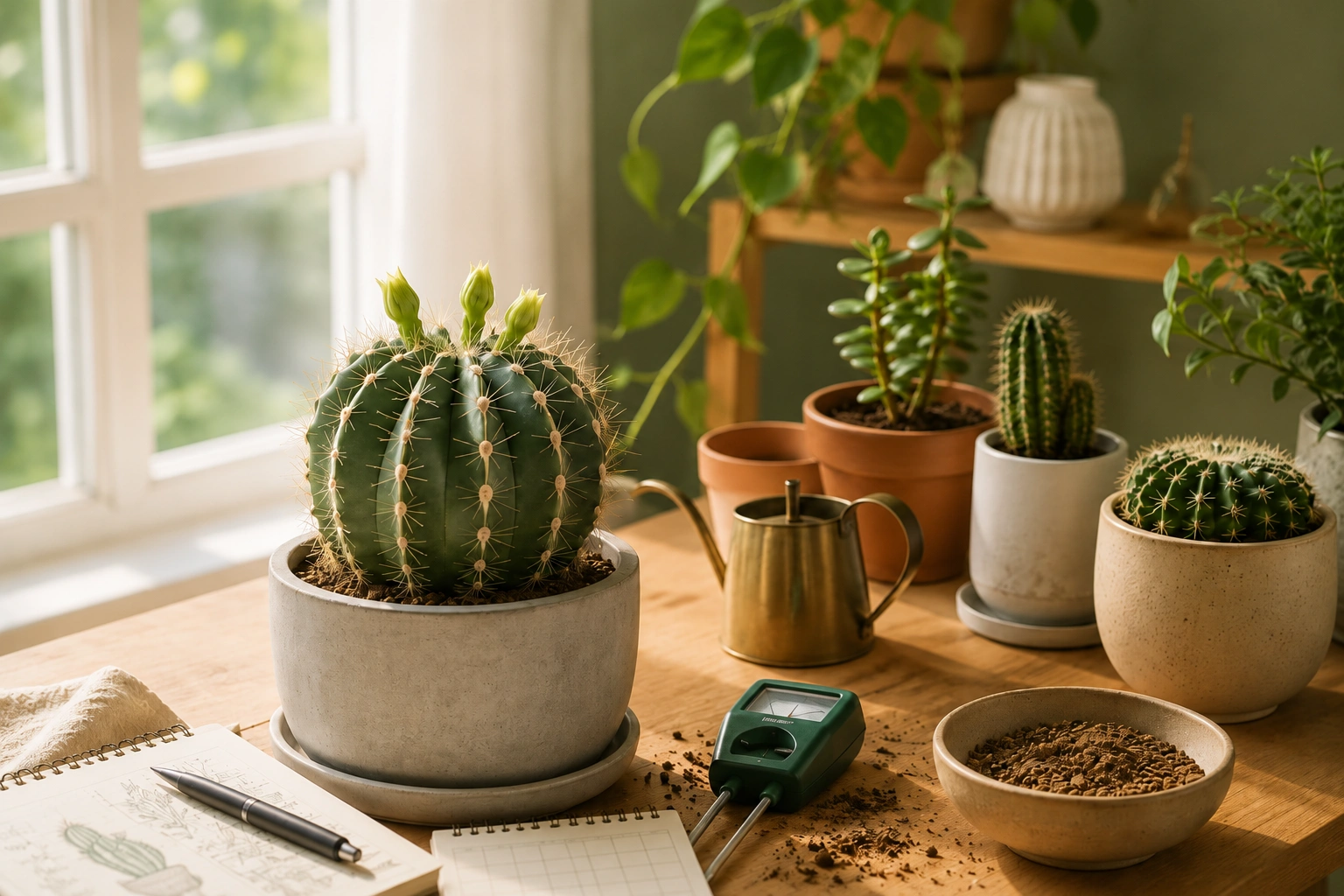
Instead of watering on a fixed schedule, check the soil first. Many houseplants prefer the top layer of soil to dry before watering again. Cactus and succulents need even more drying time between waterings.
Care tip: If tiny flies appear around your plants, check your watering routine first. Wet soil is the main reason fungus gnats become a problem.
2. Let the Topsoil Dry
Fungus gnat larvae live close to the soil surface. Letting the top 1 to 2 inches of soil dry can make the pot less attractive for gnats and reduce their ability to reproduce.
For moisture-loving plants, do not let the entire root ball dry completely if the plant dislikes dryness. The goal is to avoid a constantly wet surface while still meeting the plant’s basic water needs.
3. Use Pots with Drainage Holes
Pots without drainage holes trap excess water at the bottom. Even if the top of the soil looks dry, the lower soil may stay wet and encourage pests, fungus, and root problems.
Always choose pots with drainage holes when possible. If you use a decorative outer pot, keep the plant in a nursery pot inside it and remove extra water after watering.
4. Improve Soil Drainage
Heavy soil can hold too much moisture and increase fungus gnat problems. A lighter, better-draining potting mix helps water move through the pot instead of staying wet around the roots.
For cactus and succulents, use a gritty cactus mix with perlite, pumice, coarse sand, or small gravel. For leafy houseplants, use a quality indoor potting mix and add perlite if it feels too dense.
5. Remove Dead Leaves and Organic Debris
Dead leaves, old flowers, and decaying plant material on the soil surface can attract fungus gnats. This organic matter stays moist and gives larvae more food.
Check your pots regularly and remove fallen leaves or dead plant parts. Keeping the soil surface clean is a simple habit that helps prevent many indoor plant pests.
6. Use Yellow Sticky Traps for Early Monitoring
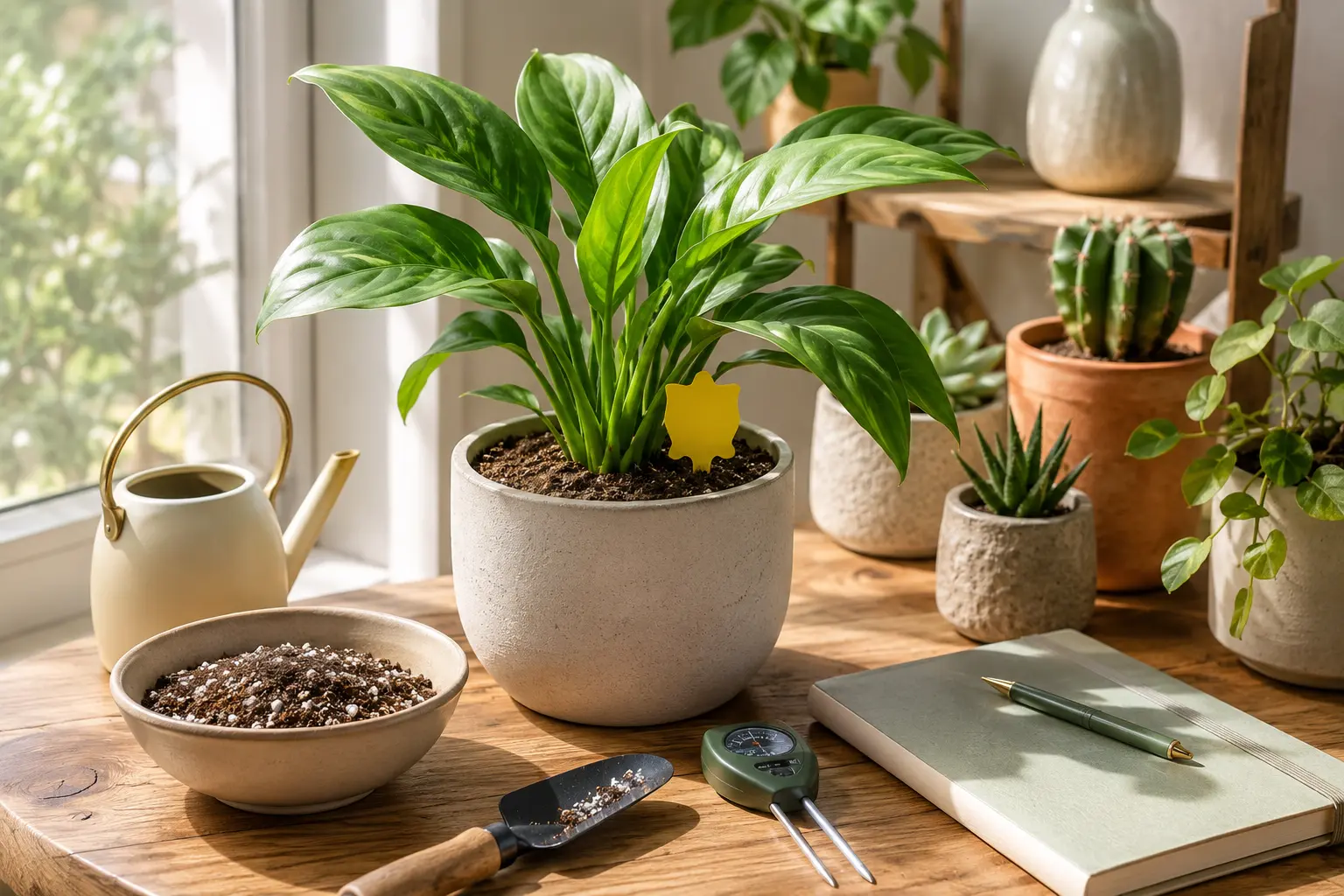
Yellow sticky traps are useful for catching adult fungus gnats and helping you notice a problem early. They will not fix the root cause by themselves, but they can reduce flying adults and show whether the problem is improving.
Place the trap close to the soil surface. Replace it when it becomes full or dusty. For the best result, use traps together with better watering and drier topsoil.
7. Inspect New Plants Before Bringing Them Home
New plants can sometimes bring fungus gnats into your home. Before placing a new plant near your collection, inspect the soil surface, pot holes, and lower leaves.
Keep new plants separate for a short time if possible. This helps you notice pests before they spread to your other houseplants.
Best Prevention Methods for Fungus Gnats
| Prevention Method | Why It Works | Best For |
|---|---|---|
| Let topsoil dry | Makes the soil surface less suitable for larvae. | Most indoor plants. |
| Use drainage holes | Prevents water from sitting in the pot. | All houseplants. |
| Improve soil mix | Helps soil dry more evenly. | Plants in heavy soil. |
| Remove dead leaves | Reduces food sources for larvae. | Leafy plants and crowded pots. |
| Yellow sticky traps | Catches adult gnats and monitors activity. | Early warning and prevention. |
Step-by-Step Fungus Gnat Prevention Routine
- Check soil before watering. Do not water if the plant does not need it yet.
- Let the topsoil dry. This helps interrupt fungus gnat breeding conditions.
- Use drainage holes. Make sure extra water can escape after watering.
- Empty saucers. Do not let pots sit in standing water.
- Clean the soil surface. Remove dead leaves, old flowers, and debris.
- Use sticky traps if needed. Place them near the soil to catch adult gnats early.
- Inspect new plants. Keep new houseplants separate before adding them to your collection.
Should You Repot a Plant with Fungus Gnats?
Repotting is not always necessary. If the infestation is small, better watering habits, dry topsoil, and sticky traps may be enough. However, if the soil is old, compacted, sour-smelling, or always wet, repotting can help.
When repotting, remove as much old wet soil as possible without damaging the roots. Use fresh, well-draining mix and a clean pot with drainage holes.
Common Mistakes That Attract Fungus Gnats
- Watering every plant on the same schedule.
- Keeping soil constantly moist.
- Using pots without drainage holes.
- Leaving water in plant saucers.
- Letting dead leaves stay on the soil surface.
- Using heavy soil that dries too slowly.
- Placing new plants near your collection without checking them first.
Final Thoughts
Fungus gnats are common in houseplants, but they are much easier to prevent than to remove after a large infestation. The key is simple: avoid constantly wet soil and keep your plant pots clean.
Water only when needed, improve drainage, let the topsoil dry, remove dead plant debris, and use sticky traps for early monitoring. With these habits, your indoor plants can stay healthier, cleaner, and less attractive to fungus gnats.